Quick answer (TLDR)
A WoW Classic Era power-leveling boost is worth it if your bottleneck is time, not money — but only the self-play kind is genuinely low-risk. A full 1–60 in Classic Era takes the average player 8–10 days of /played time (roughly 200–240 hours), so paying to skip most of that is a real time-for-money trade. The catch nobody spells out: there are two very different "boosts." A self-play boost (a level-60 runs you through dungeons while you stay logged in and control your own character) is a normal in-game activity. A piloted boost (you hand over your login and someone else plays your character) is account sharing — which Blizzard's Terms explicitly prohibit and actively suspend for. Choose the delivery model and the boost is worth it for time-poor players; ignore it and you're gambling your account.
Key takeaways
- Solo 1–60 in Classic Era averages ~200–240 hours (8–10 days /played) — the whole reason boosts exist.
- There are two boost types: self-play dungeon boosting (low risk) vs piloted/account-share (bannable). This distinction is the entire safety question.
- Blizzard files "Third-Party Character Advancement ('Power Leveling')" under Account Sharing — a Terms of Use violation with real suspensions (1-month and 6-month bans reported).
- Total 1–60 experience is 3,379,000 XP; efficient dungeon runs (e.g. Maraudon) take ~15–20 minutes each.
- Classic Era is the permanent level-60 Vanilla ruleset (1.15.x) — the economy and leveling grind never reset, so this decision is evergreen.
How long does it actually take to hit 60 in Classic Era?
This is the number that makes or breaks the decision, so start here. Classic Era leveling is slow by design — there's no heirloom gear, no modern catch-up mechanics, and no cross-realm dungeon finder to speed up grouping. The consensus across long-time players is remarkably consistent:
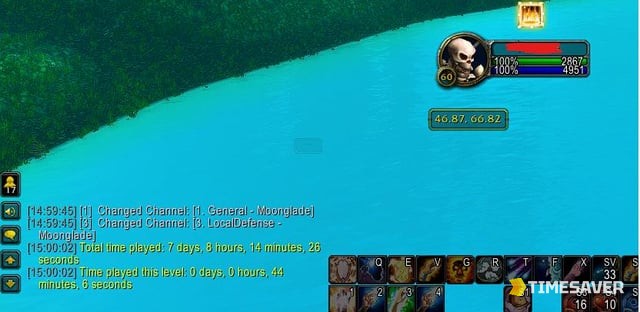
- Average player: ~8–10 days of /played time, or roughly 200–240 hours. As one veteran leveling guide puts it, "The average player takes 8–10 days of /played time to reach 60. That's roughly 200–240 hours."
- Experienced player on an efficient class: ~5 days /played. Mages, with AoE grinding and dungeon farming, sit at the fast end.
- Coordinated boost record: ~36.5 real-life hours. One documented run hit 60 in about a day and a half of real time — but only with pre-arranged boosters, optimized dungeon rotations, and tag-leveling help. That's the ceiling, not a typical experience.
Put a value on your time and the math writes itself. At 200 hours, even a modest $8/hour opportunity cost makes a full 1–60 "worth" well over a thousand dollars of your time. That's the wedge power-leveling services sell into: you're not really buying levels, you're buying back 200 hours.
What is a "power-leveling boost" in Classic Era, exactly?
"Boost" gets used for two completely different services, and conflating them is how people get suspended. Here's the clean split:
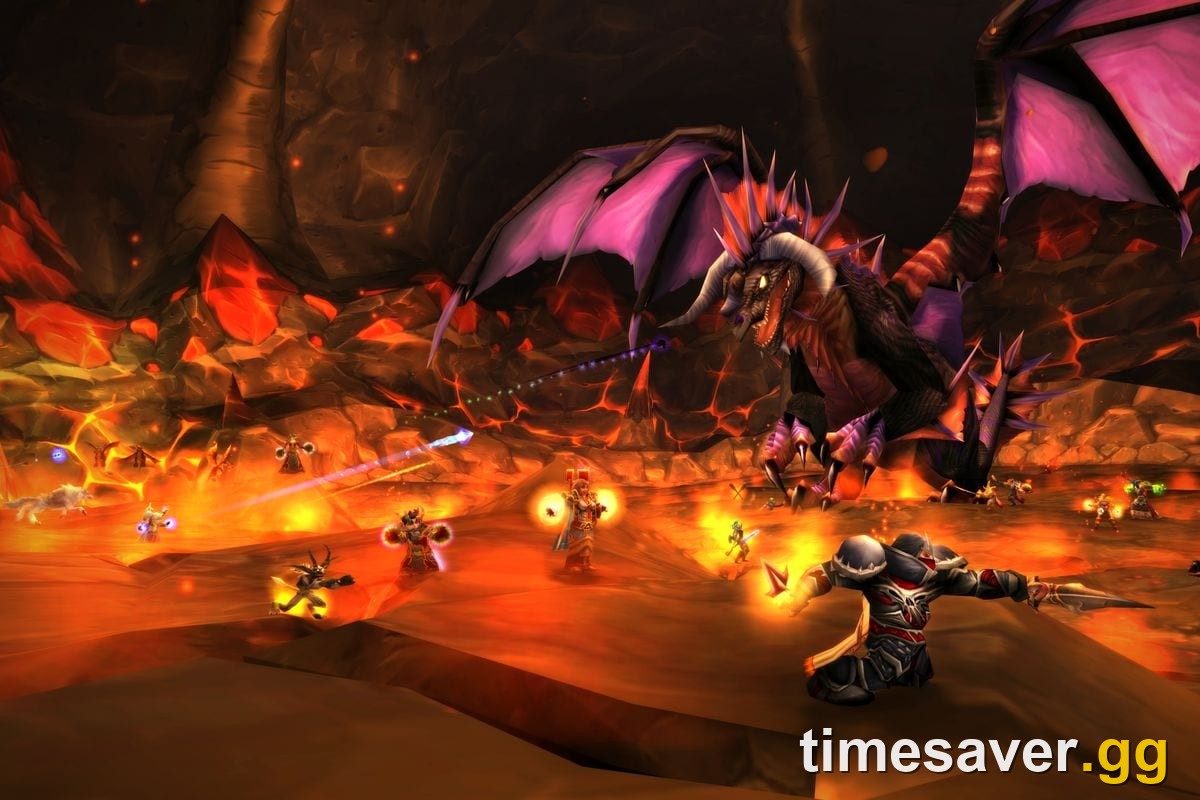
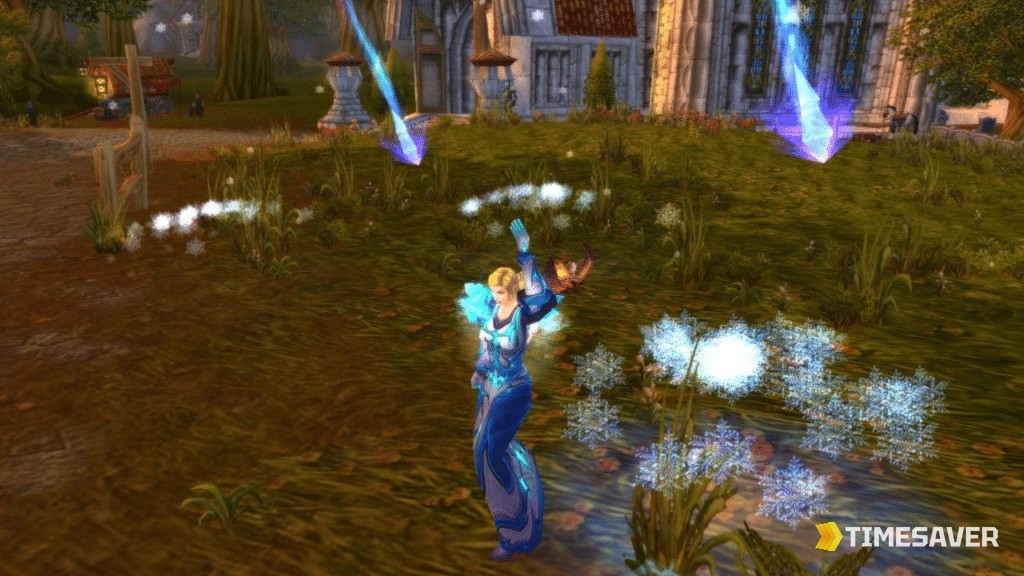
1. Self-play dungeon boosting (you keep control). A level-60 character — classically a mage using AoE pulls, or a geared melee — brings your low-level character into a dungeon and kills large packs while you tag along and soak the experience. You stay logged into your own account the entire time. This is the same activity friends and guildmates have done since 2004. Popular boost dungeons by level band include Scarlet Monastery, Maraudon, Zul'Farrak, and Dire Maul. You can pay for it in gold (an in-game transaction) or run it with a friend for free.
2. Piloted / account-share boosting (you hand over the keys). You give a booster your login and they play your character for you — often overnight, sometimes for the full 1–60. This is faster and hands-off, and it is exactly what Blizzard classifies as account sharing. It's the model that carries the ban risk (more below).
The distinction matters because the marketing rarely makes it. A listing that says "1–60 in X days, you don't have to play" is almost always describing a piloted boost. A listing that says "we run you through dungeons, you stay online" is self-play. Same word, very different risk profile.
How much does a boost cost — and how much time does it really save?
Dungeon boosting is efficient, but it isn't instant. The total experience from 1 to 60 is 3,379,000 XP, and a fast dungeon like Maraudon takes about 15–20 minutes per full clear. In practice you don't grind one dungeon the whole way — you move through level-appropriate dungeons — but the throughput is high compared to solo questing, especially through the notoriously slow 40–50 stretch.
Here's the honest comparison for a full 1–60:
| Path | Time cost | Money cost | Account risk | Best for |
|---|---|---|---|---|
| Solo questing | ~200–240 hrs (8–10 days /played) | None | None | Players who enjoy the journey |
| Self-play dungeon boost | ~1/3 of solo time, hands-on | Gold or real money | Low (you keep control) | Time-poor players who still want to play |
| Piloted / account-share boost | Hands-off, fastest | Real money | High (account sharing, bannable) | Not recommended — the ban risk isn't worth it |
If you're paying in gold for a self-play boost, remember gold has its own farm-vs-buy question — we broke that down in Is Buying WoW Classic Era Gold Safe in 2026?. The short version: buying gold to fund a boost stacks a second EULA risk on top, so keep the gold source clean.
Is a Classic Era power-leveling boost safe?
This is where the two models split hard, and it's the part most listings gloss over.
Self-play dungeon boosting is not against the rules. You're logged into your own account, playing your own character, and receiving experience from group kills — a core, intended part of Classic. Paying gold for that service is an in-game gold transaction. The only real risk is a bad group or wasted time, not your account.
Piloted / account-share boosting is a Terms of Use violation. Blizzard's support policy explicitly files "Third-Party Character Advancement ('Power Leveling')" under Account Sharing — and account sharing is prohibited. Players do get caught: community reports include a wave of 1-month suspensions, with one account hit for a 6-month ban, all cited as account sharing. Blizzard's stance has been consistent for years — an account is meant to be accessed only by its owner. Hand your login to a stranger and you're also trusting them with your Battle.net security, payment info exposure, and every other character on the account.
So the safety answer is simple and specific: the boost is safe when you stay in the driver's seat. Insist on self-play delivery, never share your login, and the account risk drops to near zero. The moment a service asks for your username and password, you've left the safe lane.
Level the smart way — timesaver.gg
- All WoW Classic Era services — self-play leveling, dungeon carries, and boosts in one place
- WoW Classic Era Gold — instant & safe — fund your boost with clean, human-farmed gold
- WoW Classic Era Currency & services — instant delivery, trusted
When is a power-leveling boost actually worth it?
Boosting isn't a universal yes. Run it through this decision filter:
| Your situation | Verdict |
|---|---|
| You've leveled to 60 before and just want your main raid-ready | Worth it — you've earned the shortcut; go self-play |
| You're time-poor (job, family) but still want to play at 60 | Worth it — buying back 200 hours is the whole point |
| It's your first Classic character ever | Skip it — the 1–60 journey is the Classic experience the first time |
| You want a hands-off, log-off-and-come-back-to-60 service | Reconsider — that's a piloted boost; the ban risk isn't worth it |
| You're on a tight budget and enjoy the grind | Skip it — farm your own gold and level naturally |
The pattern: a boost is worth it when your constraint is time, and you route it through a self-play service. It's a bad idea when your constraint is money, when it's your first character, or when the only thing on offer is account sharing.
Is Hardcore power-leveling different?
Yes — and it flips the calculus. WoW Classic Hardcore (realms Doomhowl on NA and Soulseeker on EU) runs permadeath: one death ends the run, and the character can be moved to a standard Classic Era realm afterward. That changes boosting in two ways:
- Piloted boosting is a double risk on Hardcore. Beyond the account-sharing ban exposure, a stranger playing your character can get you killed — and on Hardcore, dead is dead. There's no recovering a permadeath character from a booster's mistake.
- The culture is intensely anti-shortcut. Hardcore communities and guilds are built around earning the climb, so a boosted or shared character carries real reputational risk on top of the account risk.
For Hardcore specifically, most careful players either level legitimately or use only self-play dungeon runs with people they trust — the downside of any misstep is simply too high.
FAQ
Is a WoW Classic Era power-leveling boost worth it? It's worth it if your bottleneck is time rather than money, and you use a self-play boost. A full 1–60 averages ~200–240 hours (8–10 days /played), so a boost buys back a large chunk of that. It's not worth it for your first-ever Classic character (the leveling journey is the point) or if the only option offered is account sharing.
Is power-leveling against the rules in WoW Classic Era? It depends on the type. Self-play dungeon boosting — where you stay logged in and control your own character while a level 60 runs you through dungeons — is a normal in-game activity. Piloted "power leveling," where you give someone your login to play your character, is account sharing, which Blizzard's Terms prohibit and suspend for.
Can you get banned for a leveling boost? You can get banned for the account-sharing kind. Blizzard files "Third-Party Character Advancement ('Power Leveling')" under Account Sharing, and players have reported real suspensions (1-month and 6-month bans) for it. You will not get banned for being run through dungeons on your own account while you play — that's just grouping.
How long does it take to level 1–60 in Classic Era? The average player needs about 8–10 days of /played time, roughly 200–240 hours. Experienced players on efficient classes like mage can do it in around 5 days /played, and a heavily coordinated boost has hit 60 in about 36.5 real-life hours.
How does dungeon boosting work in Classic Era? A high-level character (often an AoE mage) pulls large packs of mobs in a dungeon while your low-level character stays in the group and soaks the experience. Total 1–60 experience is 3,379,000 XP, and efficient dungeons like Maraudon clear in about 15–20 minutes, so throughput is high — especially through the slow 40–50 range. You can pay gold for it or run it with a friend.
Should I pay gold or real money for a boost? Self-play dungeon boosts are commonly paid in gold, which is an in-game transaction. If you buy gold to fund it, you take on a separate EULA risk from the gold purchase itself — so keep the gold source clean and human-farmed. Real-money boosting services vary; insist on self-play delivery and never share your login regardless of how you pay.