TL;DR: The action-RPG genre is in its best shape in years. If you want the deepest endgame and the most build freedom, Path of Exile 2 is the king of complexity. If you want the most polished, pick-up-and-play loot loop, Diablo IV wins. Last Epoch sits in the sweet spot between the two — approachable but build-rich. Grim Dawn is the cult-classic time sink, and the original Path of Exile still runs deeper than almost anything else if you can stomach its learning curve. Below we rank the best ARPGs to play in 2026 by what they're actually best at, who each one is for, and — because every one of these games is a hundred-hour-plus grind — where you can legitimately skip the boring part.
What makes a great ARPG in 2026?
"ARPG" (action RPG, or "Diablo-like") is a specific subgenre: top-down or over-the-shoulder combat, randomized loot, character builds driven by skills and gear, and a long, repeatable endgame. The whole appeal is the loop — kill, loot, upgrade, kill faster, repeat — and the dopamine of a perfect item drop. In 2026, four things separate the great ones from the forgettable:
- Loot quality. Are drops exciting, or is it 99% vendor trash? The best ARPGs make even an early item feel like it might change your build.
- Build depth. Can you make a character that's yours — or are you funneled into the same two cookie-cutter setups everyone copies from a guide?
- Endgame. The campaign is the tutorial. The real game is what you do for the next 200 hours: maps, rifts, dungeons, bosses, and seasonal challenges.
- Respect for your time. Modern ARPGs are live-service grinds with seasons that reset progress. The good ones make the grind feel like a choice; the bad ones make it feel like a job.
That last point matters more than ever. These are some of the most time-hungry games in existence — completionist and endgame runs routinely stretch past 100–300 hours per season. That's exactly why a leveling or currency boost exists for the biggest titles: you keep the fun part (theorycrafting, bossing, build experimentation) and skip the repetitive early grind.
#1 for depth: Path of Exile 2
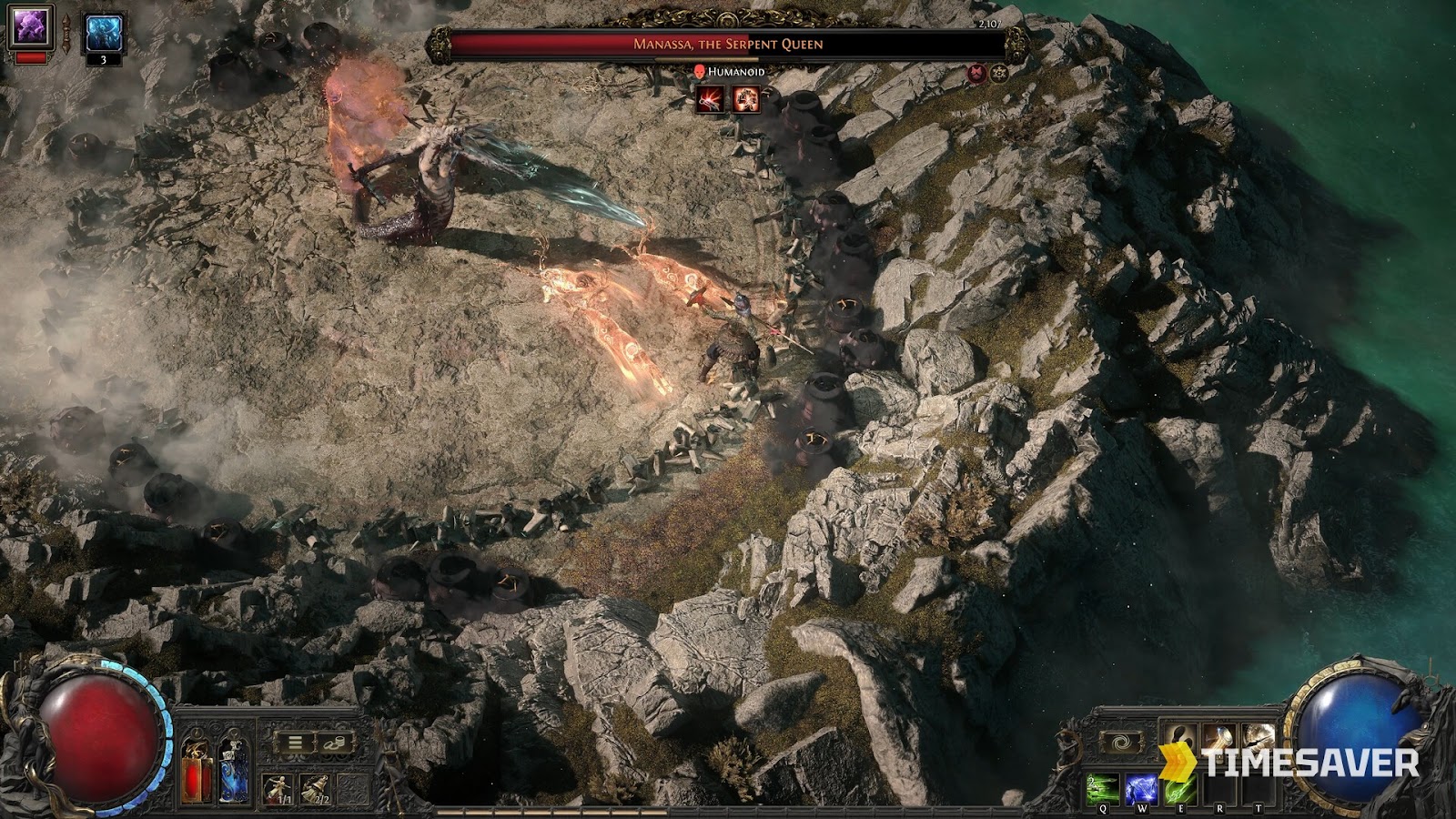
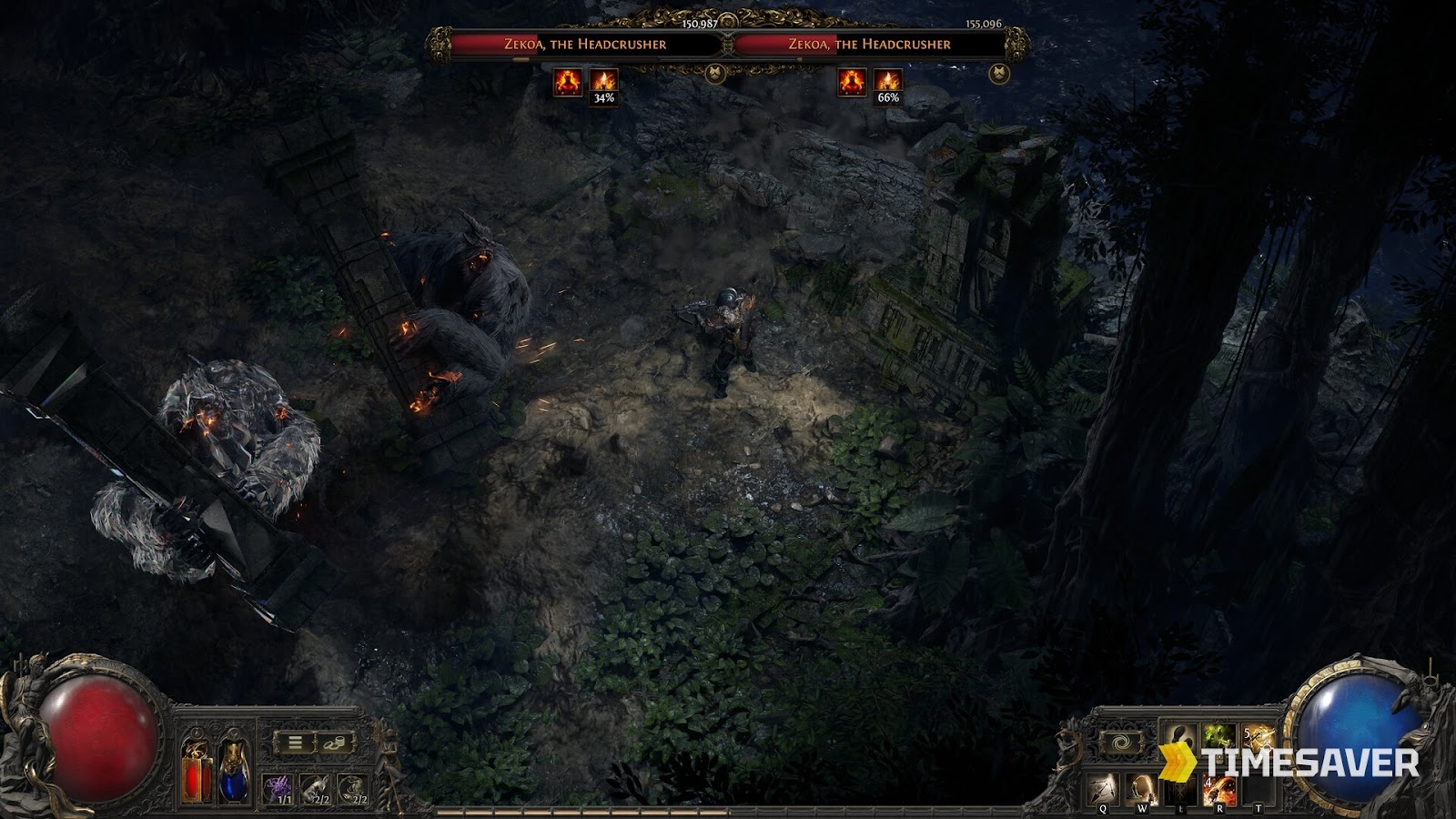
If your idea of a great ARPG is "a genre with no ceiling," Path of Exile 2 is the one to beat. Its passive skill tree is famously enormous, its skill-gem system lets you bolt support effects onto abilities in near-endless combinations, and its economy is a genuine player-driven market rather than a vendor menu. No other ARPG offers this much theorycrafting headroom.
The flip side is the learning curve. PoE2 does not hold your hand — currency doubles as crafting material, builds can brick if you don't plan, and the endgame Atlas is a sprawling system in its own right. That's the trade: maximum depth in exchange for maximum complexity. For players who want a game to disappear into for a full season, nothing else competes.
Because PoE2 resets with each league, the early grind repeats every few months — which is why experienced players who care about endgame, not leveling, often use a PoE2 leveling boost to reach maps fast, or stock up via PoE2 currency and services so they can start crafting and trading the moment a new league drops. If you only have so many hours per league, spending them on builds and bosses instead of re-running the campaign is the smart play.
Best for: players who love systems, crafting, and trading, and want the deepest endgame in the genre. Skip if: you want to relax — PoE2 is a second job in the best way.
#2 for polish: Diablo IV
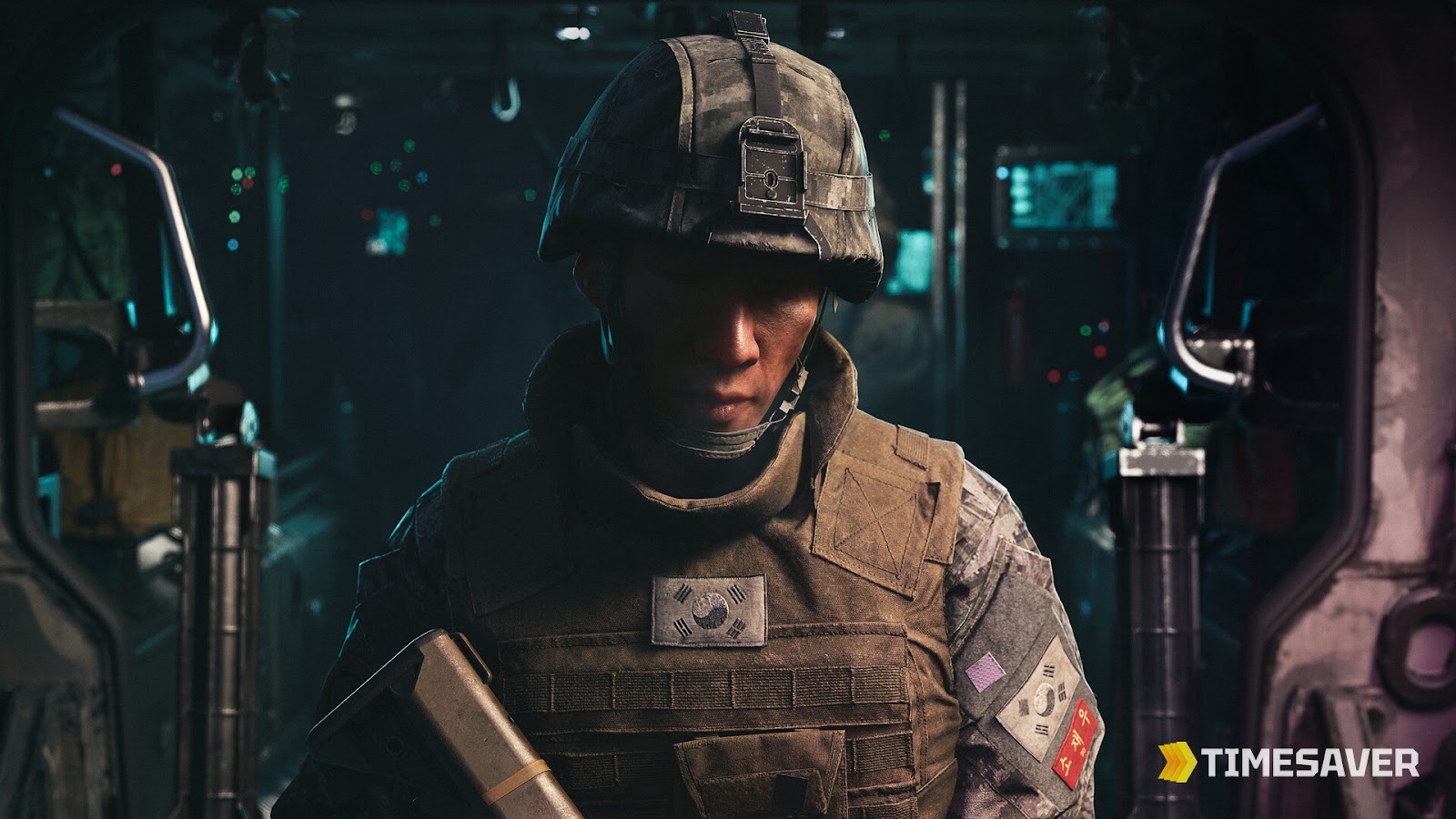
Diablo IV is the most approachable, best-produced ARPG you can play right now. The combat feels weighty, the world is genuinely atmospheric, and the moment-to-moment loot loop is buttery smooth. If you've never touched the genre, this is the front door — you can be melting packs of demons within minutes of starting, and the build system is deep enough to keep you busy without ever feeling overwhelming.
Diablo IV runs on a seasonal model: every season adds a new mechanic, a fresh battle pass, and a reset that pushes you to roll a new character and climb again. The endgame — Nightmare Dungeons, Pit pushing, endgame bosses, and the Paragon-and-Glyph grind — is where the hundreds of hours go. It's a treadmill, but a satisfying one.
The catch is the same as every seasonal ARPG: the fun endgame is gated behind a level-and-Paragon grind you've already done before. Plenty of returning players use a Diablo IV power leveling service to hit max level and jump straight into the bossing and build-testing each season, rather than grinding the same early zones for the fourth time. You can browse the full range of Diablo IV boosting and services if you want to target a specific season goal.
Best for: newcomers, returning seasonal players, and anyone who wants the smoothest loot loop on the market. Skip if: you crave punishing complexity — D4 is deliberately more accessible than PoE2.
#3 for the sweet spot: Last Epoch

Last Epoch is the ARPG a lot of players land on when Diablo IV feels too shallow and Path of Exile feels too punishing. It threads the needle: a deep, flexible skill-specialization system and satisfying crafting, wrapped in a presentation that's far friendlier to newcomers than PoE2. Its crafting in particular is a standout — deterministic enough that you can actually aim for the item you want instead of praying to RNG.
The endgame revolves around its Monolith of Fate system, which scales effectively forever and gives you clear targets to chase. It doesn't have the sheer content volume of the two genre giants, but pound-for-pound it respects your time better than almost anything else in the space, and its build variety is genuinely excellent.
Best for: players who want depth without a 40-hour onboarding, and anyone who loves crafting toward a specific build. Skip if: you want the absolute biggest content library — that's still the two heavyweights above.
#4 for cult-classic value: Grim Dawn
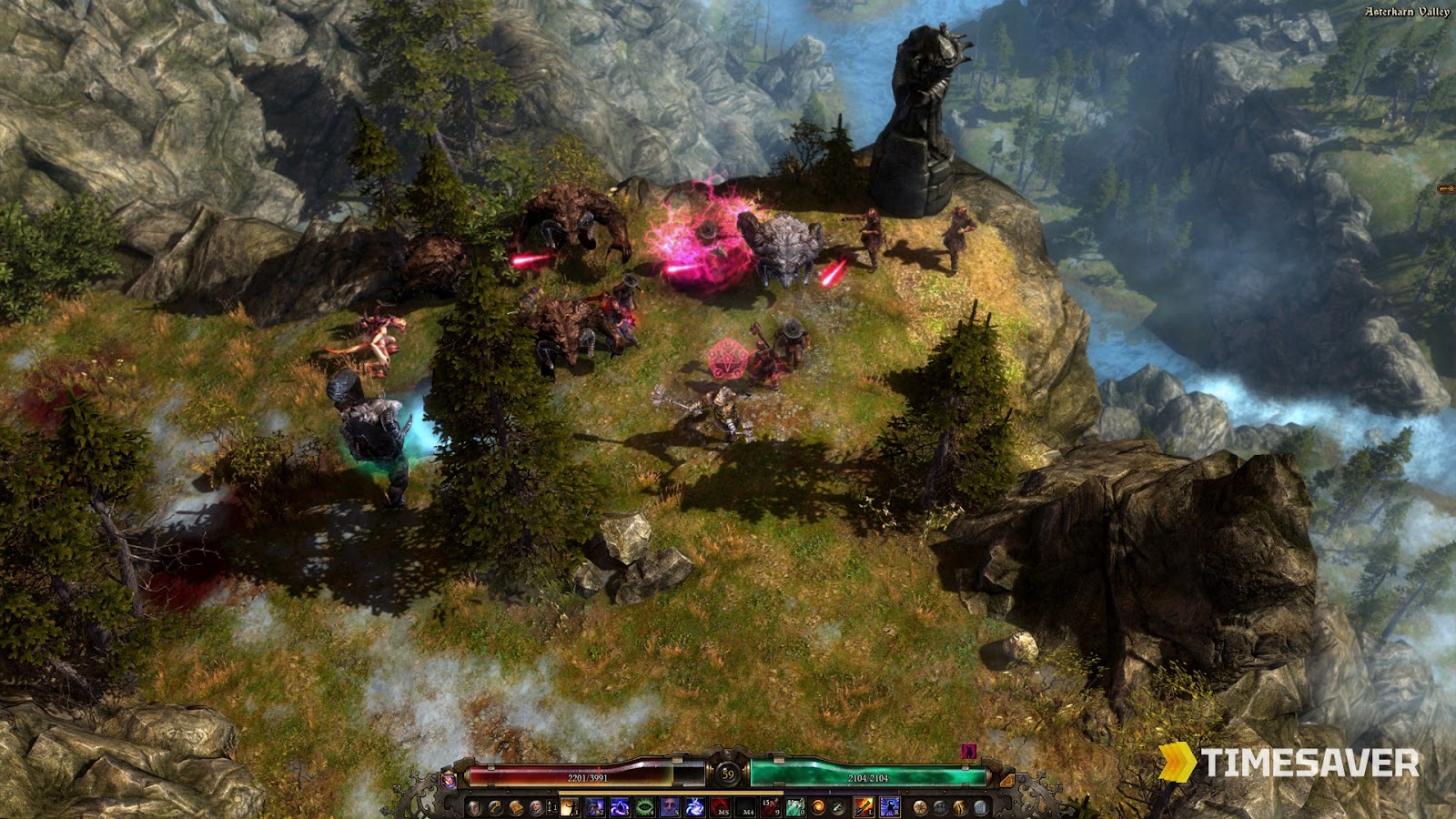
Grim Dawn is the veteran's pick. Built by developers with roots in the legendary Titan Quest, it's a dark, gritty, dual-class ARPG with one of the most generous build systems in the genre — you combine two masteries into a single character, which opens up a staggering number of viable hybrids. It's older than the others on this list, but it's been supported for years, runs on almost anything, and frequently goes on deep sale, making it one of the best-value entries in the genre.
What Grim Dawn lacks in modern live-service polish it makes up for in sheer density: hand-crafted areas, hidden secrets, faction systems, and devotion constellations that reward experimentation. It's a slower, more deliberate ARPG — and for a certain kind of player, that's exactly the appeal.
Best for: build tinkerers, value hunters, and fans of darker, slower-paced ARPGs. Skip if: you specifically want flashy, modern live-service seasons.
#5 the deep cut: Path of Exile (the original)
The original Path of Exile is still here, still updating, and still one of the deepest ARPGs ever made. With more than a decade of content layered on top of each other, it is overwhelming for a newcomer — but if you've already fallen in love with PoE2 and want even more systems to master, the first game is a bottomless well. It's free to start, monetized cosmetically, and its seasonal leagues remain a benchmark for the entire genre.
For most new players in 2026, PoE2 is the better entry point. But veterans who want the most content-dense ARPG in existence will find the original still has no real equal in raw scope.
Best for: genre veterans who want maximum content and don't mind a brutal learning curve. Skip if: you're new — start with PoE2 or Diablo IV instead.
Which ARPG should you play first?
Quick decision guide:
- Total beginner? Start with Diablo IV. It's the smoothest on-ramp into the genre.
- Want the deepest endgame and love theorycrafting? Path of Exile 2, no contest.
- Want depth and accessibility? Last Epoch is the best of both worlds.
- On a budget or love build experimentation? Grim Dawn delivers enormous value.
- Already a PoE2 addict who wants more? Dive into the original Path of Exile.
How to skip the grind (without skipping the fun)
Here's the honest truth about every seasonal ARPG: the fun part is the endgame — pushing bosses, perfecting a build, chasing that one god-tier item. The grind part is re-leveling a character through content you've already cleared, season after season. The two are not the same thing, and conflating them is why a lot of players burn out.
If you've got limited hours, the smart move is to protect the fun and trim the repetition. For the two biggest titles, that's exactly what timesaver.gg's services are for — get a Diablo IV power leveling run to skip straight to seasonal endgame, or grab PoE2 leveling and currency services so you can start crafting and trading on day one of a new league. You keep the part of the genre you actually love, and skip the part you've done a dozen times.
The bottom line
There has never been a better time to be an ARPG fan. Path of Exile 2 owns depth, Diablo IV owns polish, Last Epoch owns the middle ground, Grim Dawn owns value, and the original Path of Exile owns sheer scope. Pick the one that matches how much complexity you want, commit to a build, and let the loot loop do the rest — just remember that the grind is optional, and your time is not.