TL;DR: The games with the heaviest in-game currency grind in 2026 are the ones where the economy is the endgame — Path of Exile 2 (divine orbs), Escape from Tarkov (roubles), World of Warcraft (gold), Diablo IV (gold + materials), and GTA Online (GTA$). In every one of them, the gap between "I have enough to play" and "I have enough to play the good part" is measured in dozens of hours of repetitive farming. Below: each game ranked by how brutal its currency grind is, why the grind exists, and where a currency or boosting service from timesaver.gg lets you skip the farm and spend your time on the part you actually logged in for.
Every live game with a market runs on a currency, and every one of those currencies has a grind behind it. The grind is the point — it's the time-gate the developers use to stretch content and sell convenience. But it's also the single most common reason players quit: not because the game stopped being fun, but because the path to the fun part turned into a second job. Whether it's a divine orb in Path of Exile 2, a stack of roubles in Tarkov, or a few million GTA$ for the business you actually want, the wall is the same — you need the currency to play the game you bought, and earning it the slow way eats your week.
Here's the 2026 field ranked by how punishing the currency grind is, what each currency actually buys, and the honest math on when farming it yourself stops being worth your time.
Which games have the worst currency grind in 2026?
The short version: action RPGs and extraction shooters are the grindiest, because their entire endgame is built on top of a player-driven market. MMOs come next — gold is the universal solvent, and the best gear, mounts, and consumables all have a gold price. Open-world sandboxes like GTA Online sit at the top of the raw number scale, where the things you want cost millions and the legit ways to earn it are deliberately slow.
What separates a "fun grind" from a "second job" is the ratio of currency you earn per hour to the price of the thing you want. When that ratio is healthy, grinding feels like progress. When the best item in the game costs 40 hours of farming the same activity, the grind becomes the wall players pay to skip.
The grindiest currency games in 2026 (ranked)
1. Path of Exile 2 — the divine-orb economy is the endgame
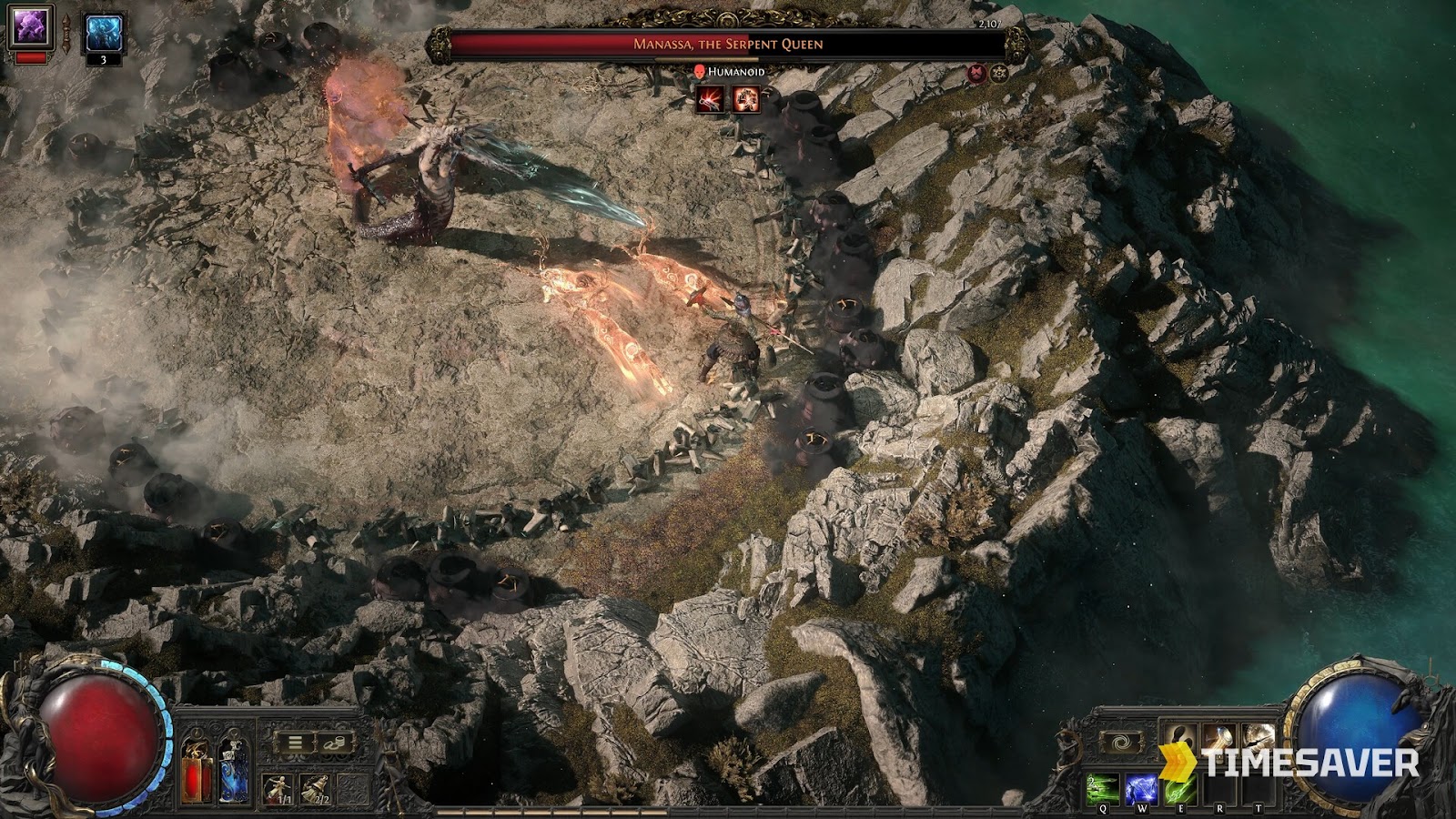
Path of Exile 2 has the deepest, most demanding currency system in the genre. There's no gold — the economy runs on crafting currency items like exalted and divine orbs, and the divine orb is the high-value benchmark everything else is priced against. A genuinely strong endgame build can cost dozens of divine orbs, and the gap between a fresh character and a min-maxed one is enormous.
The catch is that PoE 2's best gear lives on the trade market, and to buy it you need currency — which means farming maps, running the same league mechanics over and over, and selling drops for orbs. It's the purest example of "the grind is the game," and it's also the steepest. A new player can spend an entire weekend farming and still not afford the chase item their build is designed around.
That's exactly the wall that pushes players to buy in. timesaver.gg sells PoE 2 currency and full PoE 2 boosting and leveling services so you can skip the orb-farming phase and go straight to building and bossing — the part that made you install the game.
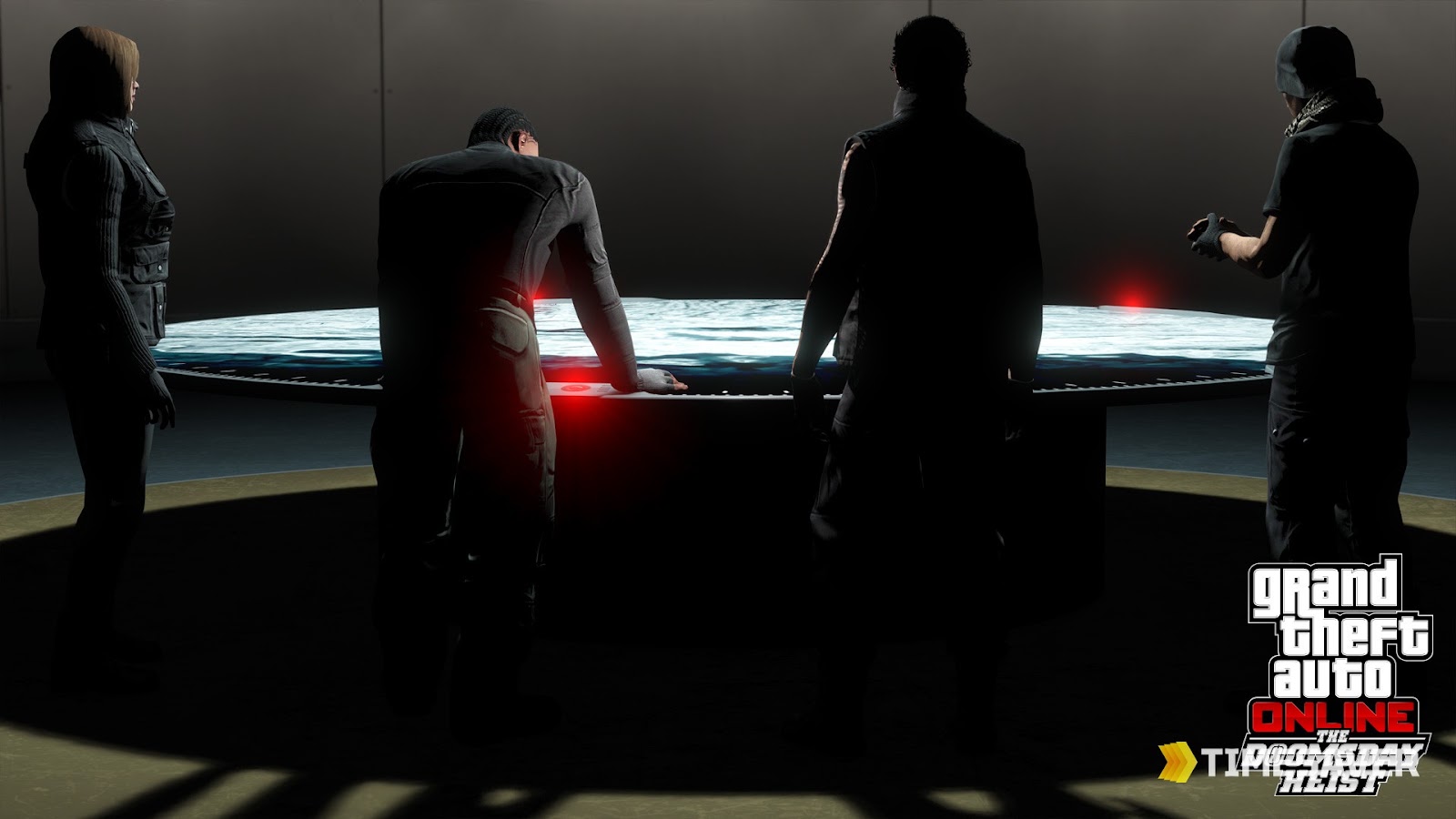
2. GTA Online — where everything you want costs millions
GTA Online has the most intimidating currency numbers in gaming. The map is a shopping catalog of businesses, properties, weaponized vehicles, and heist setups — and the headline items routinely cost several million GTA$ each. A single high-end property plus its upgrades can run well past a million on its own, and a serious garage or business empire stacks into the tens of millions.
The problem is the earn rate. Legit money-making in GTA Online — heists, businesses, sell missions — pays out steadily but slowly, and Rockstar designed it that way to make the Shark Card real-money currency packs attractive. The result is a years-old game where new players stare at a wishlist that would take weeks of grinding the same heist finales to afford.
If you'd rather own the businesses than grind for them, timesaver.gg runs GTA 5 / GTA Online boosting and money services to get your account to the part of the sandbox where you're spending, not farming.
3. Escape from Tarkov — roubles are survival, and the grind resets every wipe
Tarkov's currency is roubles, and unlike most games, the grind never permanently ends — it resets every wipe, the periodic full progression reset that's core to Tarkov's design. Each wipe you start broke, and roubles are everything: they buy gear, unlock the flea market, fund insurance, and let you take the geared raids where the good loot lives. Run out, and you're stuck running low-kit raids hoping to claw back enough to play properly.
That early-wipe poverty cycle is the most brutal currency grind in the extraction genre. You lose your kit on death, which costs roubles, which keeps you under-geared, which makes you lose more — the same trap PvPvE is famous for, but with a hard economic floor. Climbing out takes hours of careful, low-reward raiding before you can fund the fun ones.
timesaver.gg sells Tarkov roubles and full Tarkov boosting services to get you funded fast after a wipe, so you spend the wipe playing geared raids instead of grinding back to the starting line.

4. Diablo IV — gold and materials, reset every season
Diablo IV's currency grind is built around its seasonal model: every new season you roll a fresh character and start the economy over. Gold and crafting materials are the bottleneck — endgame gear tempering, enchanting, and re-rolling affixes all burn gold and materials at a rate that scales viciously the deeper you push. By the late endgame, a single optimization pass on a piece of gear can cost more gold than a new player sees in hours.
Because the grind resets seasonally, the wall hits over and over: every season you're back to farming gold, materials, and the boss-summoning items that gate the best loot. It's a fun loop the first time and a chore the fifth, which is why so many returning players want a head start rather than a from-scratch grind each season.
timesaver.gg offers Diablo IV boosting, power-leveling, and gold services so you can land in each new season already past the early grind and straight into endgame pushing.
5. World of Warcraft — gold is the universal solvent
WoW's currency is gold, and after twenty years it's the most mature in-game economy there is. Gold buys nearly everything that isn't hard-locked behind raiding: consumables, enchants, profession materials, BoE gear off the auction house, mounts, and the WoW Token. The catch is that the prices scale with the endgame — a full raid-night kit of flasks, food, potions, and enchants is a recurring gold sink, and the prestige mounts and items can run into the hundreds of thousands or millions of gold.
The gold grind isn't as vertical as an ARPG's, but it's relentless and never-ending — there's always another consumable to buy, another repair bill, another upgrade priced in gold. For players who want to raid and PvP rather than run auction-house flips and farming routes, the gold treadmill is pure friction.
timesaver.gg sells WoW gold and WoW boosting services so your raid nights are funded without spending your off-nights farming old content for gold.
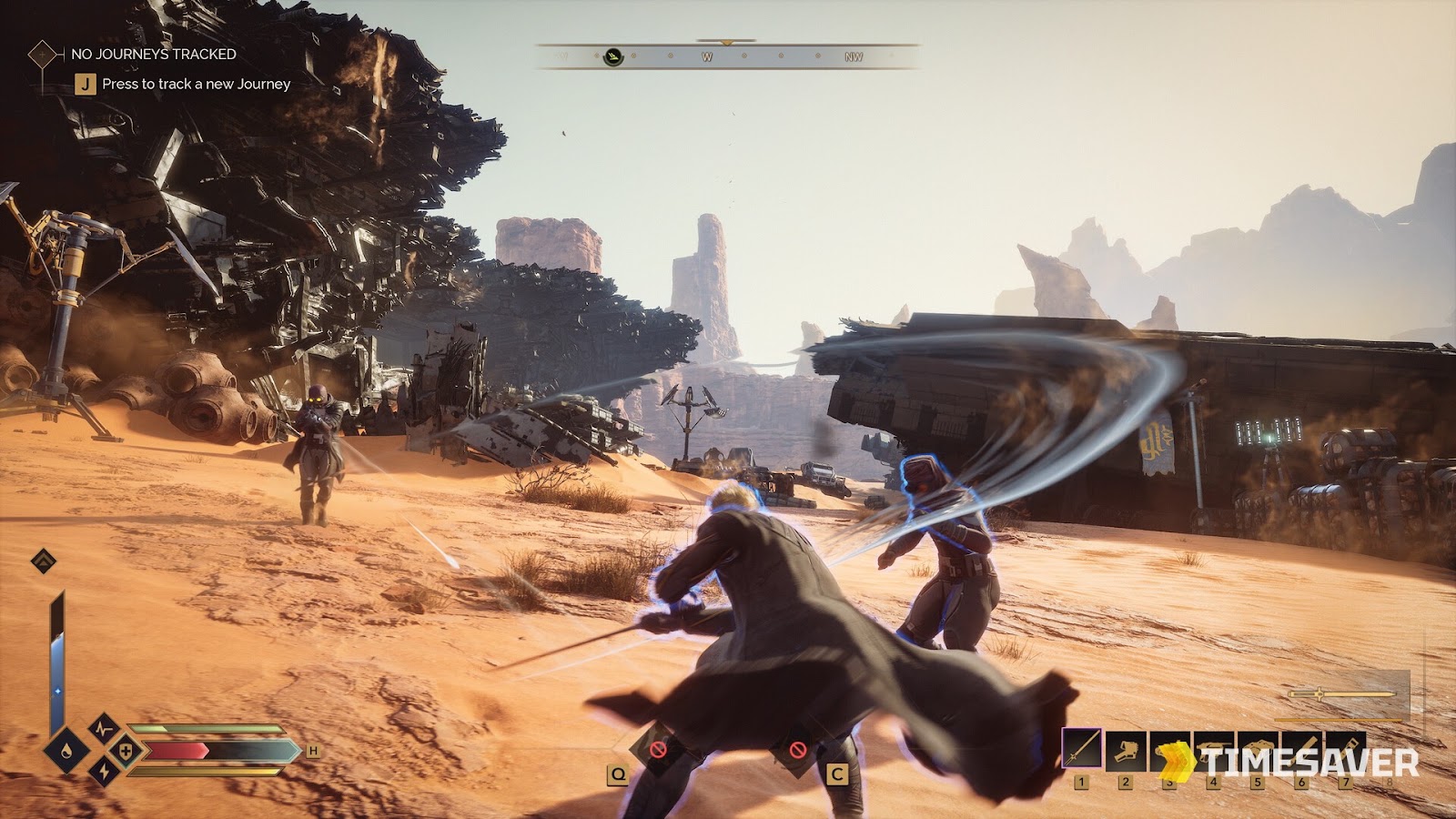
6. Dune: Awakening — a survival economy stacked on a resource grind
Dune: Awakening blends a survival-crafting MMO with a player market, and its currency grind is really two grinds stacked on top of each other. First you farm resources — water, spice, crafting materials — to survive and build, and then those feed into the Solari economy and trade. The result is a long ramp before you're established enough to compete, with the contested Deep Desert holding the best rewards behind both a gear wall and an economy wall.
It's the youngest game on this list, so the grind is less refined and more raw — getting set up takes a serious time investment before the interesting endgame opens. That early establishment grind is exactly where a head-start service saves the most time.
How do in-game currency grinds actually work?
Strip away the settings and every currency on this list runs on the same three levers:
- A time-gate disguised as content. The grind exists to stretch playtime. Developers tune the earn rate so the things you want stay just out of reach, which keeps you logging in — and, in free-to-play and live-service games, makes the real-money convenience option tempting.
- A market that prices the fun. In trade games (PoE 2, WoW, Tarkov), the best gear lives on a player market, so currency is the gate to everything good. Your currency-per-hour rate is the real progression bar, not your character level.
- A reset that re-walls you. Seasons (Diablo IV), wipes (Tarkov), and new leagues (PoE 2) reset the economy on purpose. Every reset, the grind starts over from zero — which is why veterans, not just new players, end up wanting a shortcut.
That last lever is the honest catch: the grind is most painful precisely for the players who already know the game is fun and just want to get back to it. Re-farming the on-ramp every season or wipe is the part nobody enjoys.
Is it worth buying in-game currency instead of grinding?
The math is simple: value your time, then compare. If the currency you need would take 30–40 hours of farming the same activity, and that's 30–40 hours you'd rather spend on the actual fun of the game — bossing, raiding, PvP, building — then skipping the grind is the rational call. The grind isn't the reward; the content the currency unlocks is the reward.
That's the entire premise of timesaver.gg: the brand exists to sell back the time the grind takes. Across PoE 2 currency, Tarkov roubles, WoW gold, Diablo IV services, and GTA Online money, the pitch is identical — get past the part of the game that feels like a job and into the part you came for.
Frequently asked questions
Which game has the worst currency grind in 2026? Path of Exile 2 has the deepest and steepest currency grind because its entire endgame runs on a crafting-currency economy with no gold — the best builds cost dozens of divine orbs. GTA Online has the most intimidating raw numbers, with headline items costing several million GTA$.
Why are in-game currency grinds so long? Because the grind is a deliberate time-gate. Developers tune earn rates to stretch playtime and, in live-service games, to make real-money convenience purchases attractive. The currency is the wall; the content it unlocks is the actual game.
Do currency grinds reset? In many games, yes. Diablo IV resets each season, Escape from Tarkov resets every wipe, and Path of Exile 2 resets each league — so the grind starts from zero repeatedly, which is why returning veterans often want a head start.
Is buying in-game currency worth it? It comes down to your time. If earning what you need would take dozens of hours of repetitive farming you don't enjoy, buying currency or a boost converts that time back into playing the content you actually want. That's the core value proposition of a service like timesaver.gg.
What's the fastest way to make in-game currency? It varies by game — efficient farming routes, the highest-payout endgame activity, and flipping on the player market are the legit methods. The fastest path of all is skipping the grind with a currency or boosting service, which delivers what would otherwise take days of farming.
The bottom line
In 2026, the heaviest currency grinds belong to the games where the economy is the endgame — Path of Exile 2's divine orbs, Tarkov's wipe-resetting roubles, WoW's universal gold, Diablo IV's seasonal gold-and-materials treadmill, and GTA Online's million-dollar price tags. Every one of them gates the fun part behind hours of repetitive farming, and every one resets or escalates so the grind never truly ends. If the grind is the part you dread and the content is the part you love, that's the exact gap timesaver.gg closes — PoE 2 currency, Tarkov roubles, WoW gold, Diablo IV, and GTA Online services that hand you the currency so you can spend your time playing, not farming.