TL;DR: The best games with player-driven economies in 2026 are the ones where players, not the developer, set prices — through supply, demand, scarcity, and trade. The gold standard remains EVE Online, the only game famous for employing a real economist and publishing monthly economic reports. But the most rewarding economies you can actually jump into right now are Path of Exile 2 (a pure barter economy where your currency is your crafting material), Escape from Tarkov (a brutal flea market where every item has a live, fluctuating price), World of Warcraft (the Auction House plus the gold-for-game-time WoW Token), and GTA Online (a business-empire economy built on grinding and money sinks). Old School RuneScape's Grand Exchange rounds out the field. Below: how each economy actually works, why scarcity drives every one of them, and where a currency or service top-up from timesaver.gg lets you enter the market as a buyer instead of grinding for weeks to afford the entry fee.
Most "best games" lists treat the in-game economy as a footnote. It isn't. In the games below, the economy is the game — a living market where prices move because thousands of other players are buying, selling, hoarding, and dumping in real time. There's no fixed shop price. What a thing is worth is whatever someone else will pay, and that number changes by the hour.
That's a fundamentally different experience from a single-player game where a vendor sells you a sword for 500 gold forever. A player-driven economy adds a second game on top of the obvious one: a trading game, a flipping game, an arbitrage game. Some of the most successful players in these worlds barely "play" in the traditional sense — they trade. Here's the field, ranked by how deep and genuinely player-controlled the economy is.
What makes a game economy "player-driven"?
Not every game with a marketplace has a real economy. The difference comes down to three things:
- Players set prices, not the game. In a true player economy, there's no fixed vendor price ceiling. Value floats on supply and demand. A scarce item spikes; a flooded one craters.
- Real scarcity and sinks. Items and currency have to leave the economy — destroyed, consumed, taxed, or lost — or inflation breaks everything. The healthiest economies have aggressive "sinks" (money exits) balancing "faucets" (money enters).
- Trade is a core loop, not a side menu. You can build a whole playstyle around the market: sourcing cheap, selling high, cornering supply, reacting to patch changes. The economy rewards knowledge, not just combat skill.
Score a game on those three and a clear top tier emerges.
The best player-driven economy games in 2026 (ranked)
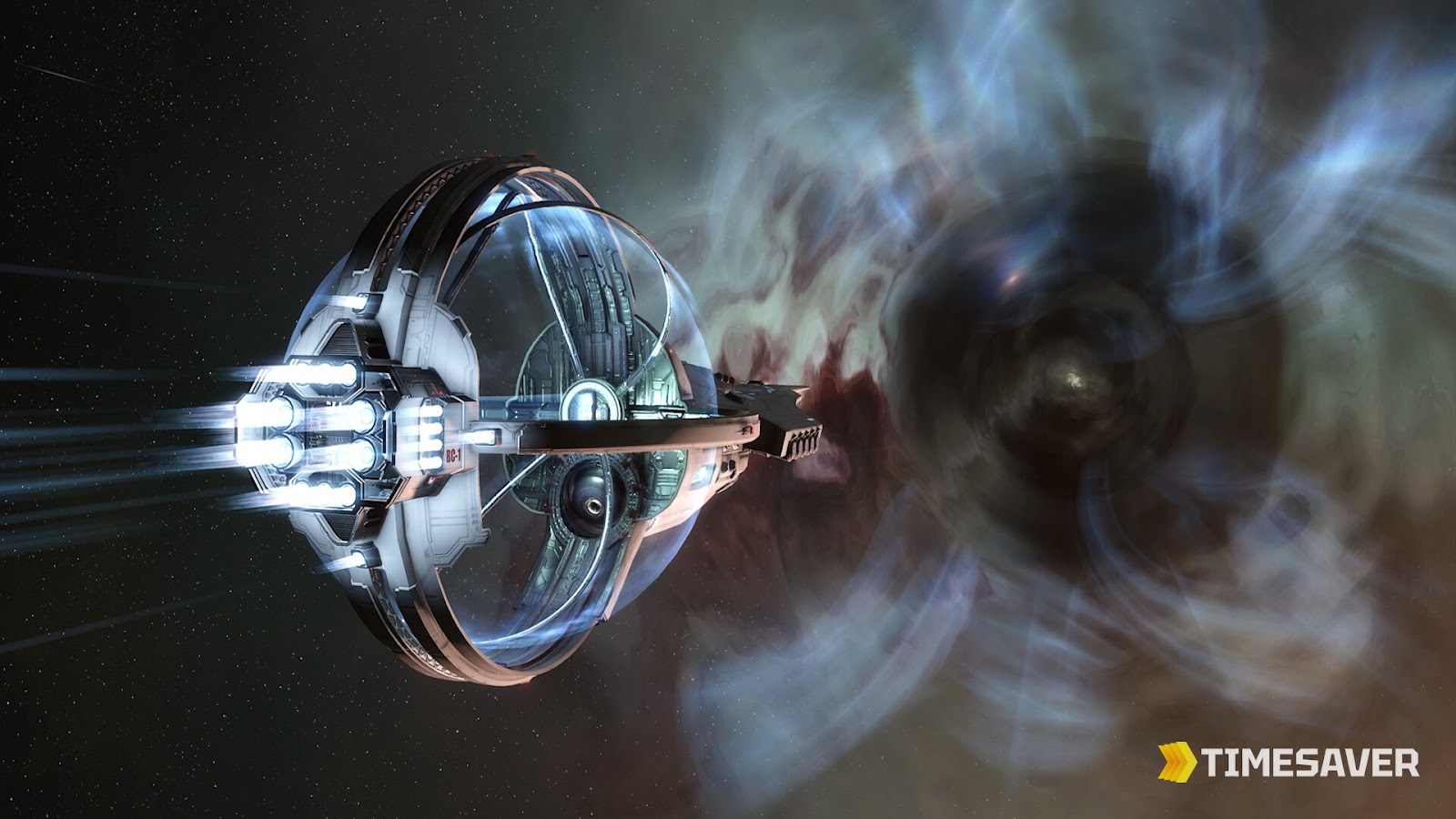
1. EVE Online — the benchmark every other economy is measured against
EVE is the reason this genre is taken seriously. It is the only major game widely known for hiring a professional economist to monitor its in-game market, and developer CCP has long published regular Monthly Economic Reports — full with money supply, production, and destruction figures — the kind of data real central banks publish. Nearly everything in EVE is built, bought, and sold by players: ships, modules, ammunition. When a giant battle destroys thousands of ships, that's billions in real value vaporized, and the market reacts the next day.
It's also the hardest economy to break into, which is why most people read about EVE more than they play it. But as a model of what a player-driven economy can be, nothing else comes close.
2. Path of Exile 2 — the economy with no gold
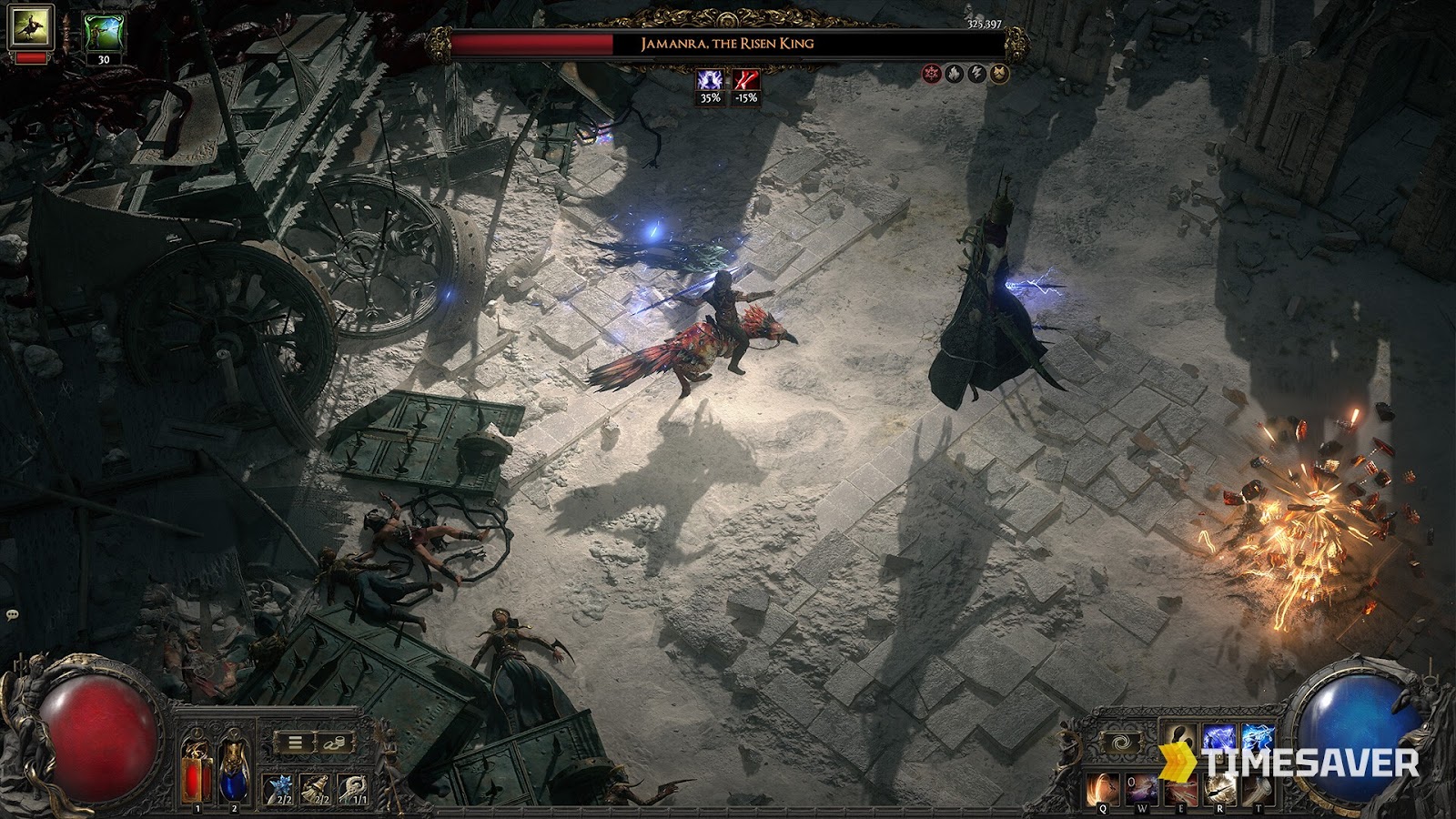
Path of Exile 2 runs one of the purest player economies in gaming: there is no gold. Instead, currency items (Chaos Orbs, Divine Orbs, Exalted Orbs and more) double as both money and crafting materials. That single design choice creates a constant tension — every orb you spend improving your gear is an orb you can't trade, and every orb you save is one you didn't use to get stronger. Prices for items are set entirely by players trading orb-for-item, and they shift hard around each new league launch as the meta resets and demand floods toward whatever the strongest builds need.
This is also where a player economy meets a real time-tax. Affording a top-tier build means farming currency for many hours, or buying in. If you'd rather enter the market with capital instead of grinding the entry fee, timesaver.gg sells PoE2 currency directly, and build leveling and gear services for players who want to land in the endgame where the real trading happens.
3. Escape from Tarkov — the most ruthless marketplace in gaming
Tarkov's Flea Market is a live, player-run auction house for nearly every item in the game, and prices move constantly. A meta ammo type spikes the moment a streamer popularizes it; a barter item craters when a new wipe floods the market. Because Tarkov periodically wipes all progress, its economy goes through a full boom-and-bust cycle every few months — items that were worthless become priceless in the early-wipe scramble for gear, then collapse as players get rich.
The currency itself (roubles, with dollars and euros for high-end trades) has real purchasing power that erodes as the wipe matures and inflation sets in. It's the closest thing gaming has to a living frontier economy. timesaver.gg covers the entry cost with Tarkov boosting and services and rouble top-ups so you're not stuck running pistol raids for the first week of every wipe.
4. World of Warcraft — the Auction House and the token that prints game time
WoW's Auction House is the longest-running mainstream player economy in gaming, and it's still one of the best. Gold prices for materials, gear, and consumables float on server supply and demand, and savvy players have made fortunes flipping crafting mats around patch days. The genuinely clever piece is the WoW Token: players can buy a token with real money and sell it on the Auction House for gold, or buy one with gold and redeem it for game time. That creates a sanctioned bridge between gold and real value — and it means gold has a measurable worth.
For players returning to a new expansion who don't want to start the economy from zero, timesaver.gg offers WoW gold and farming services so you can re-enter the market with buying power.
5. Old School RuneScape — the Grand Exchange that taught a generation to flip
OSRS deserves a permanent seat at this table. Its Grand Exchange is a centralized player marketplace where buy and sell orders match automatically, and it's where a huge share of players learned the basics of supply, demand, and flipping for profit. Prices are public, trends are trackable, and "merching" (buying low and selling high) is a legitimate full-time playstyle. It's the most accessible serious player economy — proof that a deep market doesn't have to be intimidating.
6. GTA Online — the grind-and-spend business economy
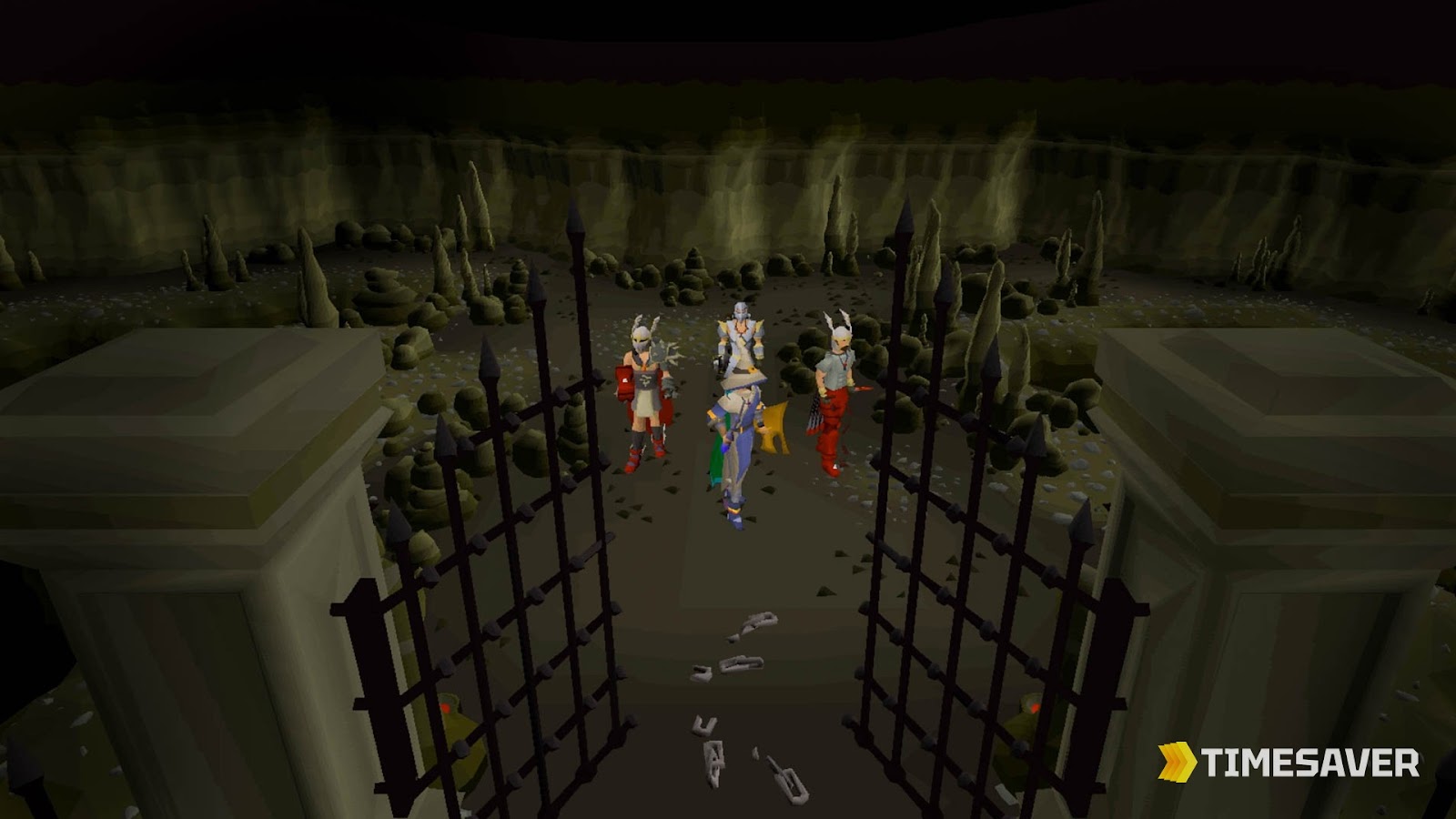
GTA Online's economy is less an open marketplace and more a business-empire grind: you run nightclubs, bunkers, and heists to generate income, then sink it into ever-pricier properties, vehicles, and upgrades. The "market" is the developer-set price list plus relentless money sinks that keep the in-game dollar scarce — which is why the economy has stayed inflated and demanding for years. It's the most casual entry here, but with one of the biggest player bases still chasing the same loop. timesaver.gg helps players skip the grind floor with GTA5 boosting and money services.

How do these economies actually work under the hood?
Strip away the genre differences and every player economy on this list runs on the same handful of forces:
- Supply and demand set price. No item has an intrinsic value. A Divine Orb, a meta ammo box, or a stack of WoW herbs is worth exactly what the current market will bear — and that number moves with patches, metas, and player behavior.
- Faucets and sinks keep it alive. Currency enters through drops, kills, and missions (faucets) and must exit through crafting costs, taxes, repairs, and consumption (sinks). When sinks fail, inflation eats the economy — which is why the best-designed games are aggressive about destroying currency.
- Information is the real edge. The players who profit aren't always the best fighters. They're the ones who know that a patch is about to make an item essential, or that a wipe is coming, or that a crafting material always spikes on reset day.
- Scarcity rewards early entry. In games with cyclical resets (Tarkov wipes, PoE2 leagues), the players with capital on day one buy cheap and dominate the early market. That timing advantage is exactly what currency top-ups and head-start services are built to provide.
Which player-driven economy game should you start with in 2026?
Quick decision guide:
- You want the deepest, purest market and don't mind a steep climb: Path of Exile 2. The no-gold barter economy is unlike anything else, and league resets keep it fresh.
- You want high-stakes, live price action with real loss: Escape from Tarkov. Every raid is a market decision, and the wipe cycle resets the economy regularly.
- You want a proven, stable, long-running market: World of Warcraft. The Auction House and WoW Token make it the most "real" economy with a safety net.
- You want the most beginner-friendly on-ramp to trading: Old School RuneScape's Grand Exchange.
- You want a casual income grind with friends: GTA Online.
The common thread: in every one of these games, the economy has an entry fee — the currency or capital you need before you can actually participate as a player who matters in the market, rather than one scraping by at the bottom. Grinding that entry fee can take days or weeks. That's the exact gap timesaver.gg fills: PoE2 currency, Tarkov roubles, and WoW gold let you walk into the market with buying power on day one instead of farming for the right to compete.
Frequently asked questions
What does "player-driven economy" mean in games? It means players, not the developer, set the prices of items and currency through supply and demand. There's no fixed shop price — an item is worth whatever another player will pay, and that value rises and falls as people buy, sell, and trade.
Which game has the most realistic in-game economy? EVE Online is widely considered the most realistic and complex player economy, to the point that its developer has employed a professional economist and published regular economic reports tracking money supply, production, and destruction.
Does Path of Exile 2 use gold? No. Path of Exile 2 has no gold currency. It uses currency items like Chaos and Divine Orbs that function as both money and crafting materials, and all item trading happens player-to-player using those orbs.
Why do Escape from Tarkov prices change so much? Tarkov's Flea Market is fully player-driven, so prices react instantly to the meta, to streamer trends, and to supply. On top of that, periodic wipes reset all progress, so the economy runs through a full boom-and-bust cycle every few months.
Is it worth buying currency or services for these games? For players who value time, yes — the main barrier in a player economy is the capital needed to participate meaningfully, and grinding it can take days or weeks. Buying in lets you enter the market early, when prices are best, instead of starting at the bottom every cycle.
The bottom line
A player-driven economy turns a game into two games at once: the one you fight in, and the one you trade in. EVE and Old School RuneScape are the genre's reference standards, but Path of Exile 2, Escape from Tarkov, World of Warcraft, and GTA Online are the ones worth diving into in 2026 — each with a living market where knowledge and capital matter as much as skill. Whichever you pick, the players who win are the ones who show up to the market with buying power. If you'd rather skip the weeks of grinding for the entry fee and start trading from a position of strength, timesaver.gg has the currency, gold, and services to get you there.