TL;DR: The games with the steepest learning curves in 2026 are the ones that hide most of their depth behind dozens of hours of failure — Escape from Tarkov (the hardest mainstream game to simply survive), Path of Exile 2 (a build system so deep it has a community-wide vocabulary), World of Warcraft (decades of layered systems for returning players), Diablo IV (deceptively simple until the endgame math hits), and ARC Raiders (an extraction shooter where the floor is friendly but the ceiling is brutal). The reward for climbing each wall is real — these are some of the most replayable games ever made. The catch is the wall itself. Below: why each one is so hard to get into, roughly how long the "I finally get it" moment takes, and exactly where a boost or carry from timesaver.gg lets you skip the part that makes most people quit.
Every list of "best games" quietly lies about one thing: how hard they are to start. A game can be a masterpiece and still lose 70% of new players in the first week, not because it's bad but because the on-ramp is a cliff. The games below are exactly that — universally praised, deeply replayable, and notorious for a learning curve that filters out everyone who isn't ready for it.
That filtering is the point of this article. A steep learning curve isn't automatically bad design; it's often why a game stays interesting for thousands of hours. But it does mean the first stretch is the worst stretch — the one where you're losing, confused, and getting outclassed by people who already paid that tax. Knowing which games these are, and how long the climb actually takes, is the difference between a game you love forever and one you refund on day three.
What makes a learning curve "steep" in the first place?
Not all difficulty is the same. A steep learning curve is different from a game just being hard. There are three things that make a game genuinely tough to get into:
- Systems depth, not reflex. The hard part is understanding how the game works — interlocking mechanics, build math, economies, and hidden rules the tutorial never mentions.
- A punishing early window. Mistakes cost you real progress (gear, time, currency) before you understand the systems well enough to avoid them. The early game is where the game is least forgiving and you're least equipped.
- A knowledge gap, not a skill gap. The biggest wall is usually information. Veterans aren't just faster — they know things you don't, and the game won't tell you.
Score a game on those three and a clear top tier emerges. Here's the field, ranked roughly by how hard the climb is.
Why is Escape from Tarkov the hardest game to get into?
Escape from Tarkov is the steepest learning curve in mainstream gaming, and it isn't especially close. It's a hardcore extraction shooter where you load into a raid, fight other players and AI, and try to extract alive with your loot — and if you die, you lose everything you brought and everything you found.
What makes it brutal isn't the shooting; it's everything around it. Tarkov has a punishing ballistics and health system (limb-specific damage, fractures, bleeds, hydration), a deep ammo-and-armor matchup table where the wrong bullet is useless against the right armor, complex quest chains tied to specific maps and conditions, a player-driven flea market economy, and maps you're expected to memorize down to extract points and spawn timings. None of this is explained well in-game. New players routinely spend their first 50 hours dying in the first five minutes of raids without understanding why.
The reward is that no game produces tension like it — a successful extract after a 20-minute white-knuckle raid is one of the best feelings in gaming. But the climb is enormous, and the endgame quest grind (the Kappa container questline is famous for taking hundreds of hours) walls off a huge amount of content. This is the clearest case where targeted help changes the experience: a Tarkov boost or a specific Kappa container quest boost clears the most painful, time-gated objectives so you reach the part of Tarkov people actually fall in love with — not the part that makes 7 out of 10 newcomers quit.
The climb: 50+ hours just to be consistently competent. Months to reach the endgame organically.
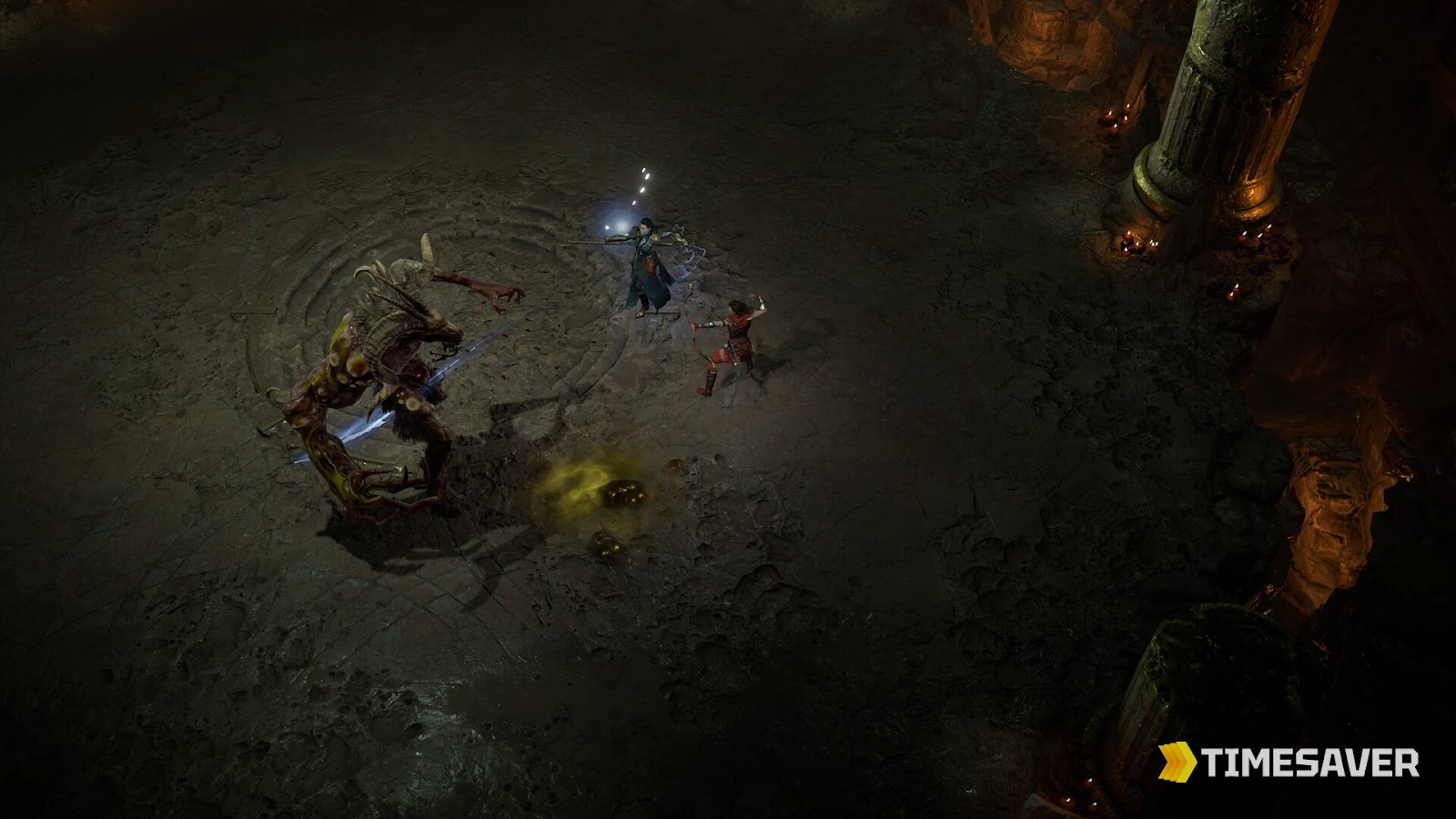
Why does Path of Exile 2 have such a notoriously deep system?
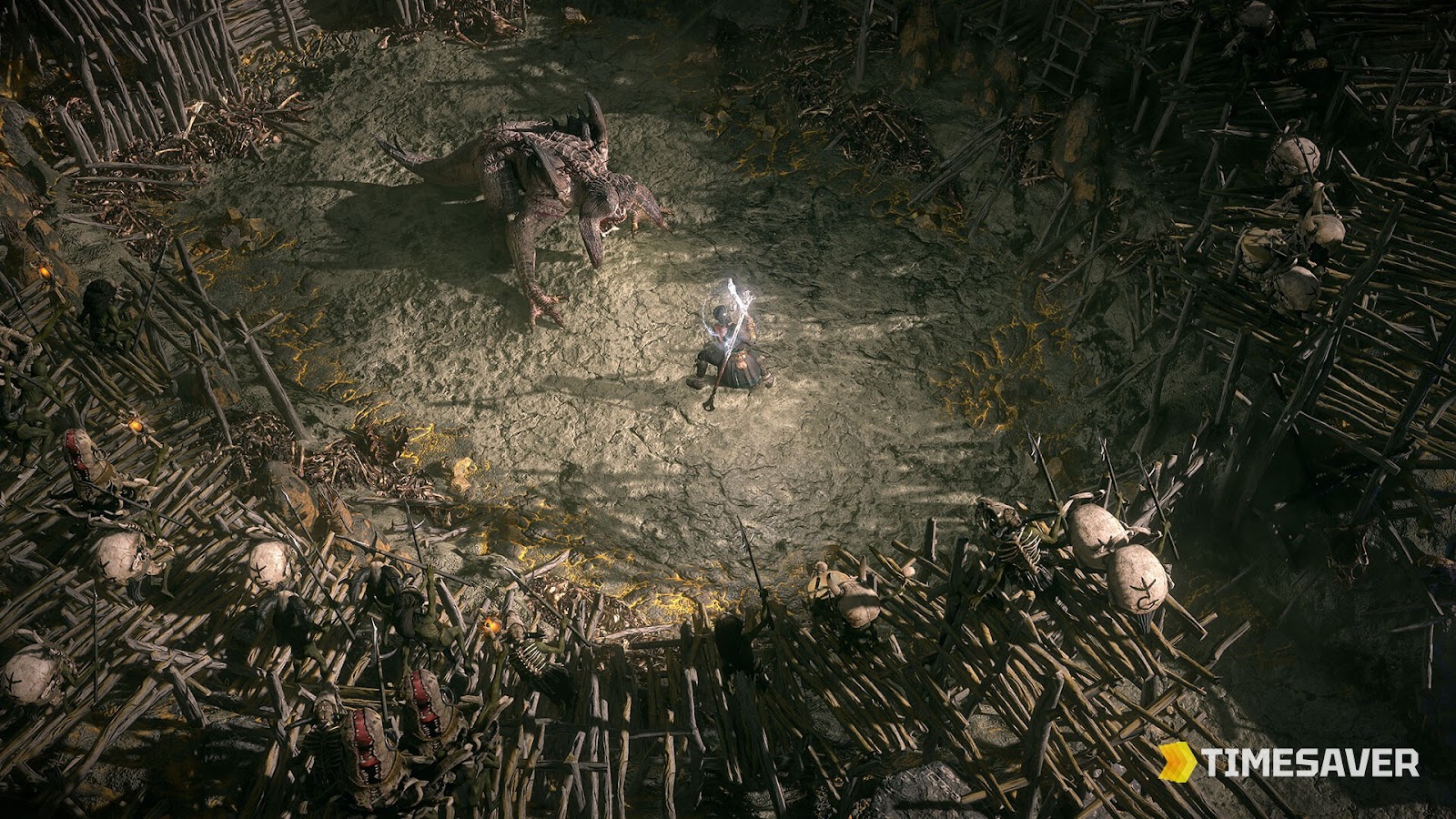
Path of Exile 2 is the connoisseur's pick for "deepest systems in a live game." On the surface it's an action RPG — click monsters, collect loot. Underneath is one of the most complex character-building systems ever shipped: a passive skill tree with over a thousand nodes, a skill-gem and support-gem system that lets you reshape how every ability behaves, layered defensive mechanics (resistances, armor, evasion, energy shield, ailment mitigation), and a currency-as-crafting economy where the "money" is also the crafting material.
The learning curve here is almost entirely a knowledge curve. A new player and a veteran can press the same buttons; the veteran's character is ten times stronger because they understand the interactions. This is why the PoE community has its own dense vocabulary and why most players follow third-party build guides rather than improvising. Going in blind, your first character will very likely hit a wall in the endgame where the difficulty outscales your build and you don't know why — the classic "my damage is fine but I die instantly" trap that hides a resistance or layered-defense problem.
The payoff is a build system with effectively infinite depth and a seasonal economy that resets the race every few months. If you want to skip the most punishing part — the slow campaign and early maps where you're under-geared and learning — a PoE2 leveling or services package gets your character to the endgame where the genuinely fun build-crafting lives. Browse the full breakdown on the Path of Exile 2 hub.
The climb: Your first character is a learning experience; your second is where it clicks. 40–60 hours to feel literate.
Is Diablo IV harder to learn than it looks?
Diablo IV is the sneaky one on this list. It's the most beginner-friendly game here for the first 40 levels — the campaign is smooth, the combat is satisfying, and you feel powerful early. Then the endgame arrives and the curve goes vertical.
The wall in Diablo IV isn't the early game; it's the systems density of the endgame. Paragon boards, glyphs, tempering and masterworking gear, Pit tiers, seasonal mechanics that change every few months, and damage formulas where multiplicative versus additive bonuses make a 10x difference to your character's power. Players who breeze through the story routinely stall at the start of the endgame because the game stops holding your hand exactly when the math gets complicated. The "why am I suddenly doing no damage" moment is a rite of passage.
It's still the most accessible loot-grinder on this list — which is exactly why it's a great place to start the genre. But getting a character to the point where you can engage with the deep endgame is a grind, and that grind resets every season. A Diablo IV power leveling service gets you to that endgame threshold fast so you spend your time on the build-and-loot chase rather than re-leveling from scratch each season. More on the game and its services on the Diablo IV hub.
The climb: Easy for 40 levels, then a sharp endgame spike. The wall is knowledge, not reflexes.

Why is World of Warcraft so hard for returning players?
World of Warcraft has a unique kind of steep curve: it's not that the game is hard to play, it's that two decades of accumulated systems make it overwhelming to re-enter. A brand-new or returning player in 2026 faces a tangle of expansions, currencies, gearing paths, reputations, professions, and endgame structures (Mythic+ dungeons, raids, seasonal systems) that the game presents all at once with very little guidance on what actually matters now.
The skill curve at the top is real too — high-end Mythic+ and raiding demand class mastery, rotation optimization, and group coordination that take serious time to develop. But the bigger wall for most people is the onboarding confusion: knowing which content to ignore, how to gear efficiently for the current season, and how not to waste 30 hours on systems that no longer matter. It's a game where a knowledgeable friend (or a guide) is worth more than raw playtime.
The reward is the deepest endgame social loop in the genre and content that has kept players engaged for 20 years. If the gearing maze is what's stopping you, a WoW Midnight boosting service handles the grind-heavy catch-up so you land directly in current-season group content with friends instead of soloing your way through a confusing gear treadmill.
The climb: Hours to feel oriented, weeks to be raid-ready, and it resets somewhat each season.
What about ARC Raiders — friendly floor, brutal ceiling?
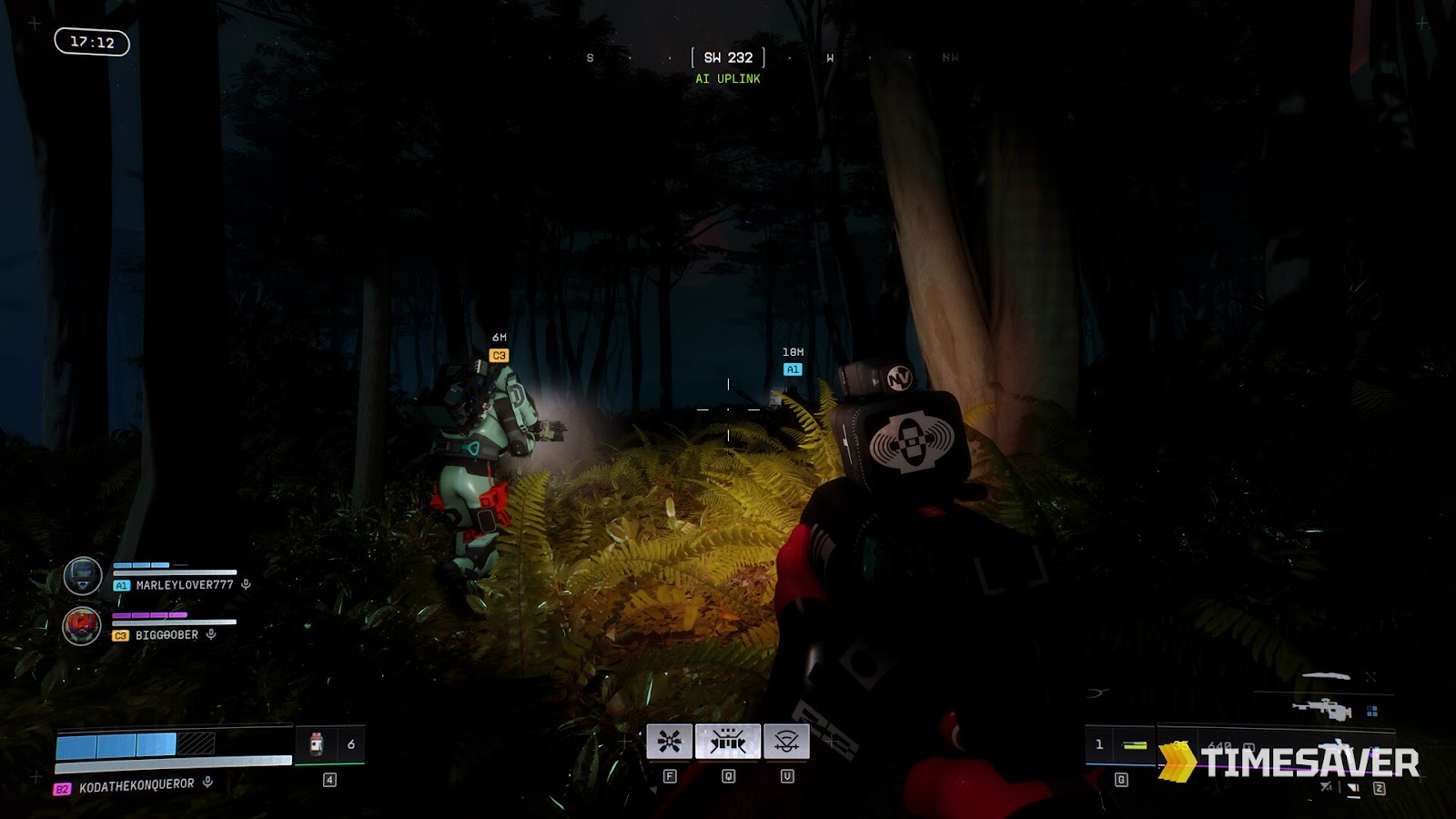
ARC Raiders earns its spot for a different reason: it has one of the widest gaps between its floor and its ceiling of any 2026 game. The first hour is genuinely welcoming for an extraction shooter — the world communicates clearly, threats are readable, and you can understand why you died. That's the friendly floor.
The ceiling is where it gets steep. Once you're past the basics, ARC Raiders becomes a game of map knowledge, gear progression, risk management, and reading other players — and the gap between a new Raider in starter gear and a veteran in an endgame loadout is enormous. The skill expression is high, the tension is constant, and the early progression hump (getting your materials, blueprints, and gear to a competitive baseline) is exactly where a lot of players bounce because dropping into raids under-equipped feels hopeless. That early-game gear gap is the most common reason newcomers quit before the game opens up. Help over that hump — see the ARC Raiders hub — turns the punishing stretch into the fun one.
The climb: Approachable in an hour, but a very high ceiling and a real early-gear wall.
So which steep-curve game should you actually start with?
Match the game to your tolerance for early pain:
- Want the most accessible on-ramp? Start with Diablo IV or ARC Raiders — both let you have fun before the deep systems arrive.
- Want the deepest build system and don't mind reading guides? Path of Exile 2 has effectively infinite ceiling.
- Want a social, long-haul home? World of Warcraft, ideally with a friend or a clear current-season plan.
- Want the hardest, most rewarding tension in gaming and have time to bleed for it? Escape from Tarkov — but go in knowing the first 50 hours are the tax.
The honest throughline across all five: the learning curve is the content gate. The systems that make these games hard to start are the same systems that make them worth thousands of hours. You don't have to skip the depth — you just don't have to suffer the worst, most punishing, most-people-quit-here stretch to reach it. That's the entire reason boosting and carry services exist: not to play the game for you, but to get you past the wall so you're playing the part that made everyone else fall in love with it.
The bottom line: A steep learning curve is a feature, not a flaw — it's why these games endure. Pick the on-ramp that matches your patience, expect the early window to be the hardest, and skip the grind that gates the fun if you'd rather spend your time on the depth than the drudgery.
Which steep-curve game is hardest to get into? Escape from Tarkov, by a wide margin — its punishing economy, ballistics, and unexplained systems make it the steepest mainstream learning curve in 2026.
Are steep learning curves worth it? Usually yes. The same depth that makes a game hard to start is what makes it replayable for hundreds or thousands of hours — the curve filters out the shallow experiences.
How can I skip the hardest part of the learning curve? Targeted boosting or power-leveling clears the most punishing, time-gated early grind so you reach the endgame and deep systems without quitting at the wall — see timesaver.gg for game-specific options.