TL;DR: A game that "respects your time" is one where every session feels worth it — short load-ins, meaningful progress per hour, no busywork padding the playtime, and no punishment for logging off. In 2026 the cleanest picks are pick-up-and-play roguelikes, session-based shooters, and games with generous checkpointing. But here's the honest truth: the games most people actually love — the big MMOs, ARPGs, and extraction shooters — are deliberately built to not respect your time. That's the genre working as designed. The fix isn't quitting them; it's deciding which parts of the grind you'll do yourself and which parts you'll skip. Below: what "respects your time" really means, the genres that nail it, and how to make a 200-hour grind fit into a 6-hour week.
If you've got a job, a commute, or a family, you've felt it: you finally sit down to play, spend twenty minutes on a loading screen, a daily-login dance, and a fetch quest — and then it's time to log off. The "time-respecting game" search isn't about finding shorter games. It's about finding games where the hour you have turns into fun you keep. That's a real, growing demand — and it splits gamers into two camps that need completely different answers.
What does it actually mean for a game to "respect your time"?
Strip away the marketing and a time-respecting game shares four traits:
- Fast time-to-fun. You go from launch to actually playing in under a minute. No forced cutscenes you can't skip, no mandatory tutorials on your fifth character.
- Progress per session, not per week. One hour should move you somewhere visible — a level, a new weapon, a cleared objective — instead of chipping at a bar that only fills with a full evening's grind.
- No punishment for logging off. No "you missed the daily, now you're behind" mechanics. No decay, no FOMO timers designed to make absence feel expensive.
- Padding-free design. The runtime is honest. A "40-hour game" is 40 hours of game, not 12 hours stretched with backtracking and resource fetch loops.
The friction point everyone hits is the same: the games with the deepest, most rewarding systems are almost always the worst offenders on this list. Depth and grind tend to travel together. So the question isn't "which games respect my time" — it's "do I want a game that respects my time, or do I want a deep game and a way to skip the parts that don't?"
The genres that genuinely respect your time in 2026
If you want a game you can put on, enjoy, and walk away from without guilt, look at these three buckets first.
Roguelikes and roguelites. The genre built for limited time. Runs are self-contained, usually 20–45 minutes, and every run teaches you something even when you lose. You make permanent meta-progress, then stop whenever you want with nothing lost. This is the purest "one more run before bed" format in gaming, and it's why the genre keeps growing.
Session-based competitive shooters and battle royales. A single match is a complete experience — drop in, fight, get an outcome, log off. There's no world state to maintain, no chores between matches. The catch is the cosmetic and unlock grind layered on top, which we'll get to.
Story games with strong checkpointing. Modern single-player adventures that autosave constantly and let you skip cutscenes on replay respect your time far more than the open-world checklist games that bury a 15-hour story under 60 hours of map icons. If a game lets you finish the story without clearing every tower, it respects your time.
The common thread: these games are designed so the unit of fun is small and complete. You don't need a four-hour block to feel like you accomplished something.

But what about the games you actually love?
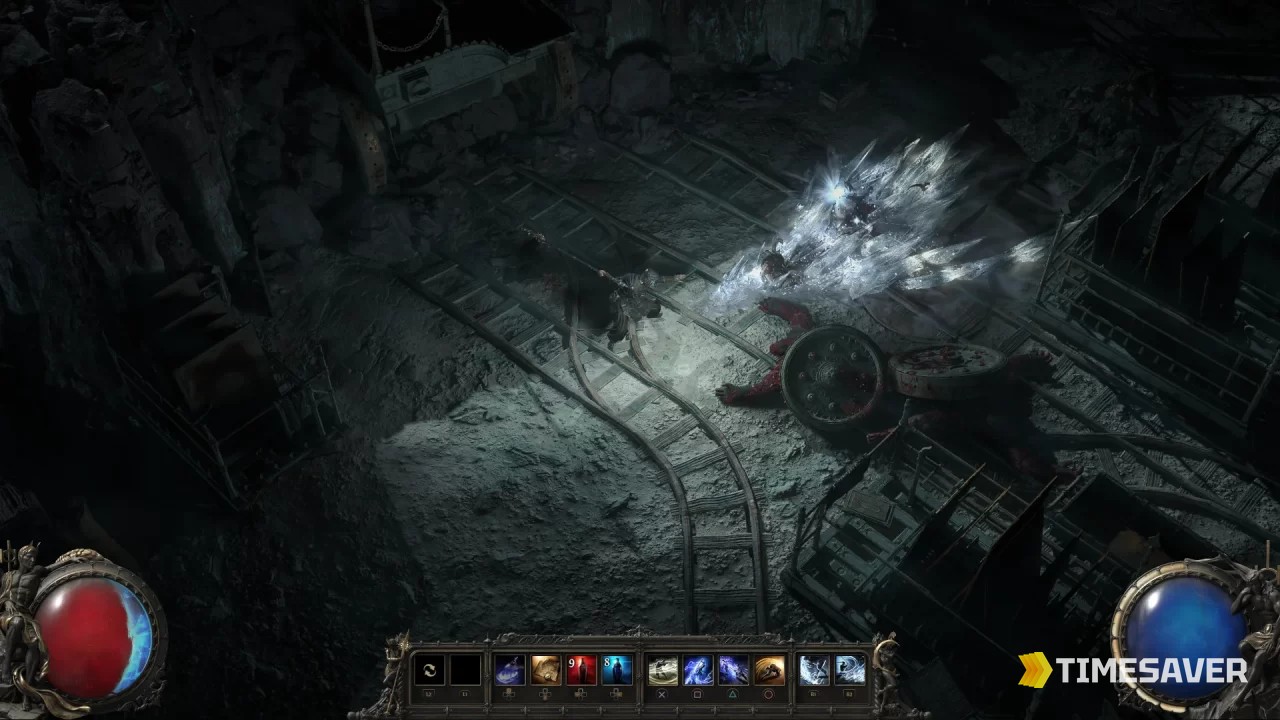
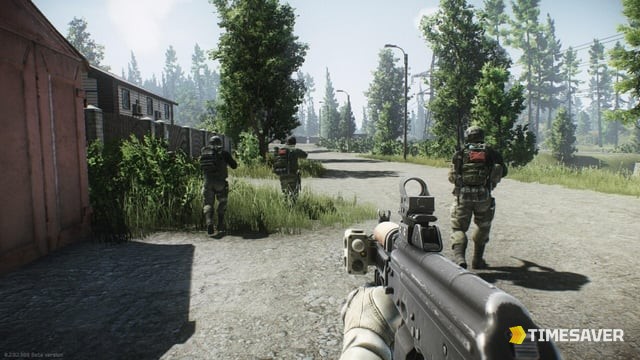
Here's where most "respect your time" lists quietly fail you. They tell you to play shorter games — but you don't want shorter games. You want Diablo IV, Path of Exile 2, World of Warcraft, Escape from Tarkov. You want the deep loot chase, the endgame builds, the high-stakes raids. Those games are the opposite of time-respecting by design — the grind is the product.
That's not a flaw to complain about; it's the genre contract. An ARPG that handed you a perfect build in three hours would have nothing left to do. An MMO that didn't gate its endgame behind leveling and gearing wouldn't feel like an MMO. The time sink is the point — it's what makes the payoff feel earned.
The problem is purely arithmetic. These games are balanced around players with 20–30 hours a week. If you have 6, you're not "bad at the game" — you're just permanently behind the gear curve, getting stomped by people whose advantage is hours, not skill. In an extraction shooter like Tarkov, that gap is brutal: a fresh wipe means everyone's poor, but within a week the no-lifers are kitted and you're still scavenging. In Diablo IV and Path of Exile 2, the entire endgame is gated behind a leveling slog you've done a dozen times before. In WoW, the fun raids and dungeons assume you've already ground the gear to get in.
So you're stuck with a bad trilemma: quit the games you love, no-life them at the cost of everything else, or fall permanently behind. Except there's a fourth option.
How to make a grind-heavy game respect your time
The trick busy players figured out years ago: separate the grind from the game. Almost every deep game has two layers — the fun layer (raiding, PvP, build experimentation, the actual content) and the chore layer (leveling, base setup, currency farming, mindless prep). The chore layer is what eats your limited hours. Skip it, and the same game suddenly respects your time.
In practice that means:
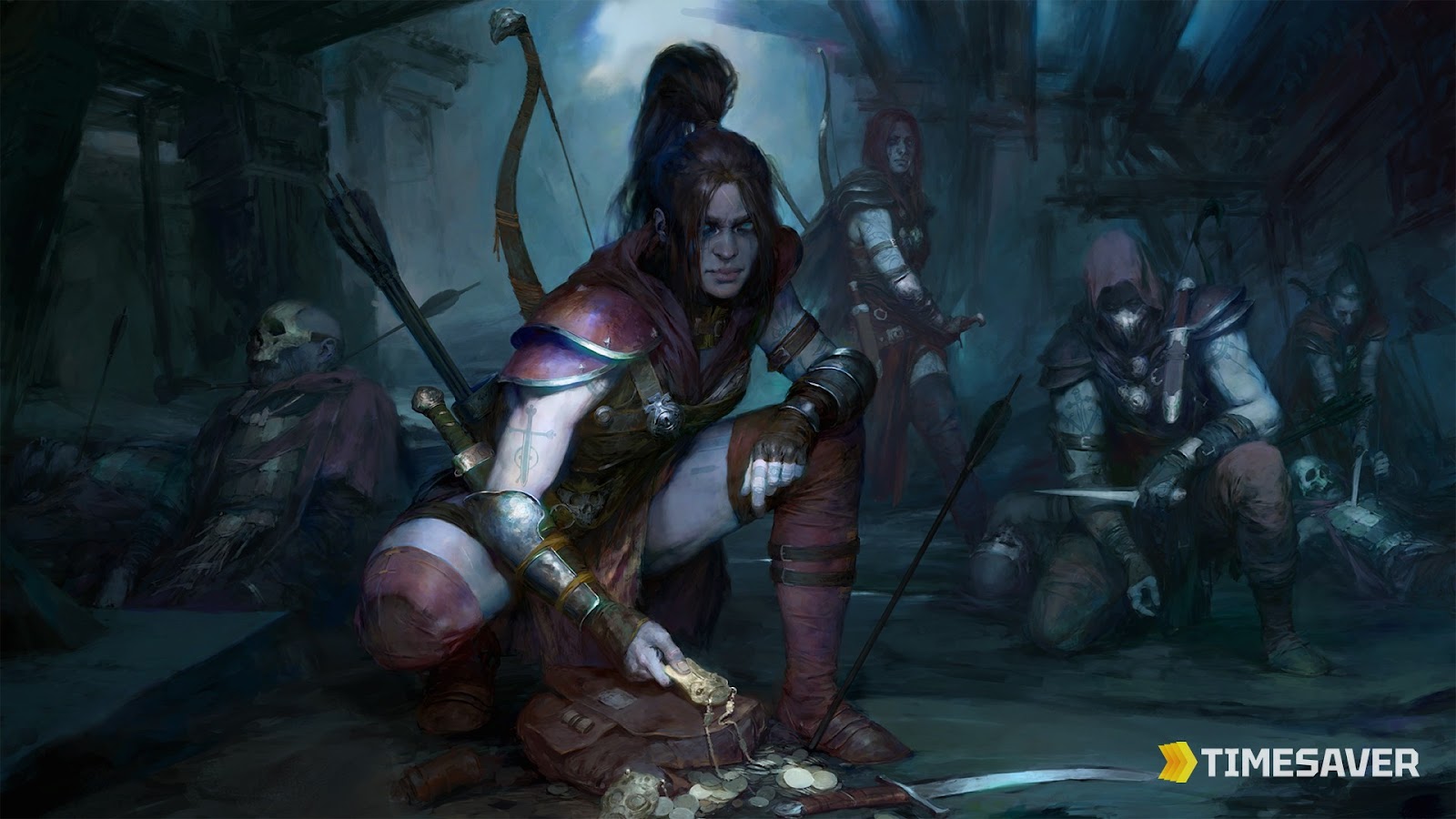
- Power-leveling. Instead of re-grinding levels 1–60 on your fifth character, you start where the real game begins — at endgame, with everyone else. A Diablo IV power-leveling boost collapses a week of campaign-and-paragon grind into a head start, so your 6 hours go into endgame builds instead of the intro you've seen five times.
- Currency and materials. The thing that gates progress in most ARPGs and MMOs isn't skill — it's resource volume. PoE 2 currency and leveling services exist for exactly this: the crafting and trading economy that takes most players dozens of hours to bankroll.
- Skipping the prep, keeping the play. In survival and extraction games, the base-building and early scavenging is the chore; the raids are the fun. Outsource the prep, log in to the payoff.
This isn't cheating the game out of its meaning — it's choosing which hours you spend. A no-lifer spends 25 hours and gets 5 hours of fun and 20 hours of grind. A time-respecting player skips the 20 and keeps the 5. Same fun, a quarter of the clock. That's the entire idea behind timesaver.gg — the games don't respect your time, so we hand you the part of them that does.
Which approach is right for you?
A quick decision guide:
- You have under 5 hours a week and want zero commitment → go roguelike or session shooter. Complete fun in 30-minute chunks, nothing lost when you stop.
- You love one deep game but can't keep up → keep playing it, but skip the grind layer. Power-level or buy currency so your few hours land on the content, not the prep.
- You bounce between games and hate "falling behind" → pick the session-based games as your default, and treat your one "deep" game as a project you fast-forward through the boring parts of.
- You have the time and you enjoy the grind → then the big games already respect your time, because for you the grind is the fun. This whole article isn't for you, and that's fine.
The mistake is treating "respect your time" as a property of the game. It's really a property of how you play it. The shortest path to more fun per hour isn't always a shorter game — sometimes it's the same game you already love, minus the chores.
Frequently asked questions
What games respect your time the most in 2026? Roguelikes, session-based competitive shooters, and well-checkpointed story games respect your time most natively, because their unit of fun is short and self-contained. But the deeper games you love can respect your time too, if you skip the grind layer (leveling, currency farming, prep) and spend your hours on the actual content.
Why are MMOs and ARPGs so disrespectful of my time? Because the grind is the product. Games like WoW, Diablo IV, and Path of Exile 2 are balanced around 20–30 hours a week; the time sink is what makes the rewards feel earned. It's intentional design, not a flaw — which is why the fix is skipping the chore parts rather than waiting for the developers to remove them.
Is it worth paying to skip the grind? If your bottleneck is hours rather than skill, yes — it converts a week of repetitive prep into a head start at the content you actually enjoy. A power-leveling or currency boost is essentially buying back the hours the game's design takes from you.
Do these "time-saving" services work across multiple games? Yes — the same logic applies to any deep game with a grind layer. timesaver.gg covers ARPGs, MMOs, extraction shooters, and survival games, so the part of the game that eats your time can be handed off whichever one you're playing.
What's the single fastest way to enjoy more gaming with less free time? Decide which hours matter. Spend your limited time on the content that's fun (raiding, PvP, build experiments, the story) and outsource or skip the content that's a chore (re-leveling, grinding currency, base prep). The goal isn't playing less — it's wasting less of the time you do have.