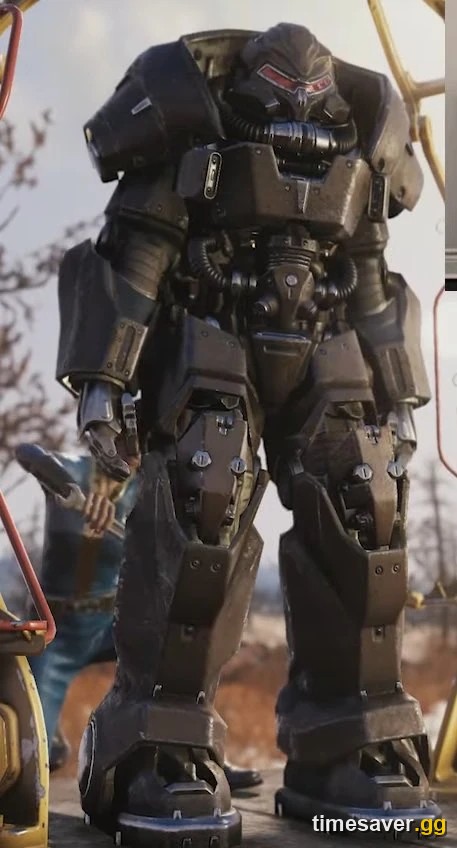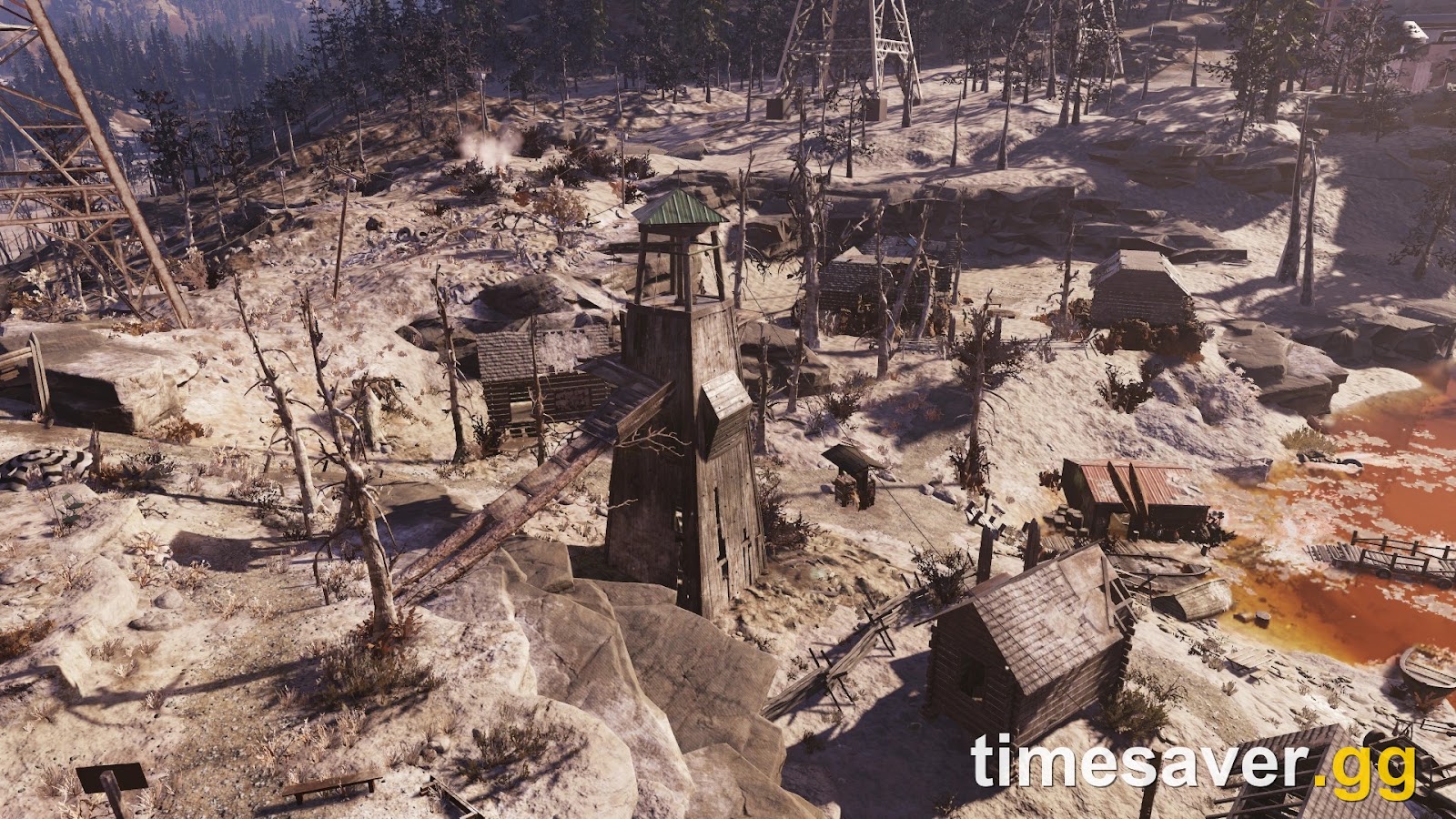
Your C.A.M.P. is the most important real estate decision you will make in Fallout 76. Pick the wrong spot and you spend caps on fast travel, miss out on passive resource income, and run your vendor at zero foot traffic. Pick the right one and your extractors run all session, your workshop camps pay for themselves in steel and lead, and players wander in to buy whatever you have on the shelf.
This guide covers the best CAMP locations in Fallout 76 as of Season 26 "Beware the Blood Moon!" (Update 28, September 2026) — from beginner Forest spots to high-value resource deposits in the Savage Divide, plus the vendor-traffic hubs that actually move items.
TLDR
- The C.A.M.P. build budget is 500 Flamingo Units; public workshops give you 1,500 FU but require active defense.
- Four free fast-travel hubs exist in the game: Vault 76, The Whitespring Resort, The Crater, and Foundation — building near any of these cuts your daily travel costs to near zero.
- Lucky Hole Mine (Savage Divide) sits on confirmed Lead and Crystal veins, making it the most efficient lead extractor location outside workshops.
- A player in the r/fo76 community put it plainly: "My second camp slot paid for itself in a week just parking it on the lead deposit near Lucky Hole and forgetting about it." (r/fo76, September 2026)
What Makes a Good CAMP Location?
Before placing your device, ask yourself three questions:
What do I need to produce? Resource extractors only work on specific deposits: lead veins, crystal deposits, coal deposits, and so on. If you want lead for ammunition, you need to place your C.A.M.P. on or near a lead deposit, not just anywhere in the Savage Divide.
How often will I travel here? Unlike the main settlements, your C.A.M.P. costs caps to fast-travel to unless you are already logged into the server. A spot near one of the four free hubs (Vault 76, The Whitespring Resort, The Crater, Foundation) means you can reach your base, swap gear, craft ammo, and get back in action without spending a single cap.
Am I trying to sell? Vendor camps need foot traffic. Placing your Vending Machines in a remote canyon guarantees empty shelves. The Whitespring Station and the area around Vault 76 are where players actually stop.
Most experienced players run at least two C.A.M.P. slots — one for production (resources and crafting), one for vending (high-traffic spawn points). The game gives you a second slot at no cost; use it.
Best Forest Region CAMP Spots (Beginner-Friendly)
The Forest is where every new character begins, and it remains one of the best regions to anchor a second camp even at end-game because of its safe terrain and consistent player traffic.
Flatwoods Area (The Forest, south of Vault 76)
The Flatwoods stretch along the river gives you easy access to water sources for an Industrial Water Purifier — the single best passive income item in the game. A purifier on a river tile produces purified water continuously; collect it, sell it at 5–10 caps a bottle, and new players buy it constantly. Flatwoods also sits on the Vault 76 free fast-travel radius, meaning you can teleport back here for free before each session. Pair this with a caps farming route and the Flatwoods area practically funds itself.
The Wayward Area (The Forest, northeast quadrant)
Just north of the Vault 76 exit, The Wayward is an early story hub with consistent player foot traffic. A vendor camp placed in the hills overlooking the road catches players running the early main quest. If you are selling low-level gear, plans, or junk, this spot converts better than anywhere in the Mire.
Near the Overseer's Abandoned CAMP (The Forest)
The Overseer's initial camp coordinates drop you in a buildable flat area near a stream, surrounded by low-threat mobs. As a starter location with access to wood, cloth, and water, it is hard to beat for new players who want a safe base while they find their feet in the season.
Best Resource Farming CAMP Locations
Lead: Lucky Hole Mine (Savage Divide)
Lucky Hole Mine sits in the southern Savage Divide and contains confirmed Lead and Crystal veins in and around the location. Lead is the most consumed crafting material for serious players: every piece of .308, .45, and 5mm ammunition uses lead. Running out means either buying scrip or farming manually.
Place your C.A.M.P. device on the lead deposit near the mine entrance, drop a Lead Extractor, and come back after a long session. You will log off with a stack of lead ore ready to smelt. Crystal from the same area keeps your Laser and Plasma builds topped up without dedicating farming runs to the Charleston Capitol Building.
The area is mid-level — you will encounter Cultists and occasional Scorched — but it is fully manageable in Power Armor by level 30 and trivial at end-game.
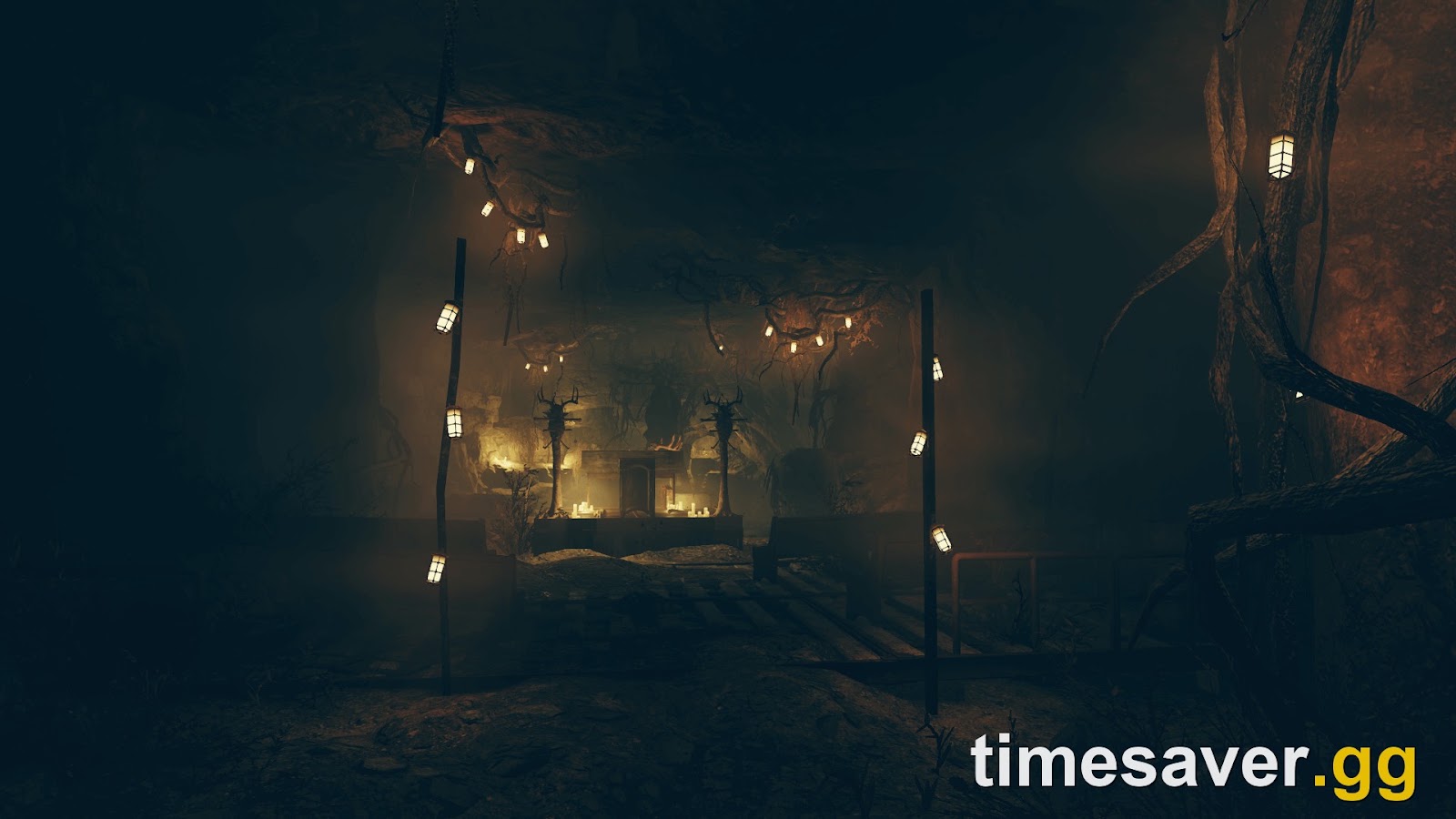
Acid/Fertilizer: The Mire Region
The Mire in the northeastern corner of the map is the most underused region in the game, which is exactly why the resource deposits there go unclaimed for sessions at a time. Acid deposits near the flooded farmland east of Harpers Ferry are among the most reliable in the game. Acid is critical for crafting high-end explosives, some legendary mods, and maintaining Ultracite armor.
If you are running a bomb build, an Ultracite Heavy Gunner, or any high-output Ultracite weapon, a second camp parked on an acid deposit in The Mire pays dividends every time you log in.
Steel and Aluminum: Grafton Steel Yard (Toxic Valley)
Grafton Steel Yard is one of the 24 named public workshops and sits in the Toxic Valley region. The area around it is saturated with Steel and Aluminum nodes. Even without claiming the workshop itself — which requires defending against other players — placing your C.A.M.P. near the perimeter means your extractors draw from adjacent resource deposits throughout the session.
Steel is the single highest-consumed material in base building. Every wall, floor, and generator pulls from your steel reserve. A passive steel farm near Grafton Steel Yard is the difference between building freely and running material runs every hour.
Water: Any River or Lake in The Forest or Toxic Valley
An Industrial Water Purifier requires a water source tile. The Savage Divide lakes, the Forest rivers, and the Toxic Valley creek beds all work. Drop your purifier, come back after two hours, collect 36 purified water (two full cycles), and sell it. Purified water reliably moves at 6–8 caps per unit because new and returning players always need it for health recovery and disease cures.
The Toxic Valley lake near Grafton gives you the double benefit of water production and proximity to the steel yard — two resource types from one camp location.
Best Vendor Traffic CAMP Spots
Whitespring Station (The Forest, near The Whitespring Resort)
The Whitespring Resort is a free fast-travel hub, meaning every server restart brings a wave of players who log in and immediately fast-travel here for free. The station outside contains a Legendary Exchange Machine and a Punch Card Machine — two end-game services that pull high-level players to this exact location multiple times a session.
A vendor camp placed in the visible area between the station and the resort entrance catches players as they walk to and from the machines. This is the highest foot traffic location in the game for end-game item sales: legendary armor drops, rare plans, and high-value junk items all move here faster than anywhere else. Players trading legendary scrip frequently stop at this station, which makes it ideal for offloading excess legendary armor pieces.
Sutton / Summersville (The Forest, south-central)
The stretch of Route 88 through Sutton and toward Summersville sees consistent mid-game player movement because it is the main east-west artery in The Forest. A visible vendor camp on this road with signs pointing to cheap ammo or common plans gets drive-by purchases from players who would never search for your camp otherwise. Low-cost, high-volume items (ammo, food, common plans) work better here than rare or expensive stock.
Workshops vs. C.A.M.P.: Understanding the Difference
Workshops and C.A.M.P. devices solve different problems and should not be treated as interchangeable.
Your C.A.M.P. is your home base: 500 FU build budget, free to place anywhere in the world, your vendor and crafting stations, your stash. It persists across server restarts in the same location. It costs caps to fast-travel to mid-session unless you are already at a free hub.
Public Workshops are shared contested locations: 24 named spots scattered across Appalachia, each with a higher build budget (1,500 FU) and pre-assigned resource nodes. You claim them by completing a short event, build extractors, collect resources — but any other player on the server can challenge you for the claim. When you log off, the workshop reverts to unclaimed.
The meta play for experienced players is to use both in parallel: anchor your permanent C.A.M.P. on a natural deposit (Lucky Hole lead, Mire acid, Grafton steel), and claim a workshop during sessions when you are actively playing and can defend it for bonus output.
Multi-Camp Slot Strategy
The second C.A.M.P. slot is one of the most underused features in Fallout 76. A large part of the community runs both slots by Season 26, but newer players often ignore the second slot until they start running out of a specific resource.
The optimal split for most builds:
- Slot 1 — Production camp: Placed on your primary resource deposit (usually lead for ammo-heavy builds, or acid/steel for crafting builds). Extractors running. Crafting stations. Stash box. Workshop bench.
- Slot 2 — Vendor camp: Placed near Whitespring Station or a high-traffic route. Vending machines loaded. A Legendary Exchange Machine nearby draws players in. Keep this camp minimal — you do not need an elaborate build here, just a clean vendor layout with visible prices.
Swap between slots from the main map screen. When you switch, your previous camp disappears from the world and the new one appears. Neither is lost; they both persist as saved blueprints.
As one r/fo76 veteran noted in a community thread: "Run your production camp quiet in the Savage Divide and your vendor loud at Whitespring. You barely touch the production one after setup and the vendor earns while you're doing events." (r/fo76, September 2026)
This two-slot approach covers almost every resource gap that forces players to run dedicated farming sessions — and frees up your actual play time for events, the Season 26 Blood Moon questline, and the new weekly challenges.
Frequently Asked Questions
How much does it cost to fast-travel to my CAMP mid-session? Fast travel to your own C.A.M.P. costs caps based on distance — generally 5–25 caps. Fast traveling to the four free hubs (Vault 76, The Whitespring Resort, The Crater, Foundation) is always free. Placing your camp near one of these hubs eliminates the fast-travel cost entirely.
Can two players build at the same deposit? No. Only one C.A.M.P. can occupy a given resource deposit at a time. If another player's camp is already on the deposit you want, you will need to find a different server or a nearby alternative deposit. Resource deposit competition is one reason the Lucky Hole Mine lead spot gets claimed early on populated servers.
How many extractors can one C.A.M.P. support? You can place one extractor per resource deposit your C.A.M.P. is built on or adjacent to. A single well-chosen location may have two or three adjacent deposits, giving you two to three extractors running simultaneously within the 500 FU budget.
Do extractors keep running when I'm offline? No. Extractors only produce while you are logged in. The longer your session on one server, the more resources accumulate. Logging in for five minutes then switching servers resets the production cycle; it is better to stay on one server and let extractors run for the full session.
Should I move my vendor camp during a seasonal event? Yes — seasonal events concentrate players in specific map areas, which temporarily boosts vendor foot traffic near those spawns. During any active weekly event, consider placing your second slot vendor camp near the event hub for the duration. When the event ends, move it back to Whitespring Station for long-term traffic. Check the Season 26 guide for current event locations and weekly challenge windows.
Is there a camp location that works for both resources and vendor traffic? Almost never in the same spot. Resource deposits tend to be in remote regions (Savage Divide, The Mire, Ash Heap) while foot-traffic locations cluster around The Forest and the server hubs. This is exactly why the two-slot strategy exists — one camp optimizes for production, the other for vending. Trying to do both from one location means compromising both.
Want to speed up your Fallout 76 progression while you build out your camp network?
- All timesaver.gg services — browse what is available for your current season