Everything about Onimusha: Way of the Sword combat runs through one move: the Issen, a perfectly-timed counter-strike that has been the series' signature since 2001. If you have played the free demo, you have already felt why the fights click — and why some players are calling the controls "clunky" before they understand what the game is actually asking of them. This guide breaks down the whole combat loop as it exists as of August 30, 2026, using only what Capcom has named directly and what is playable in the live demo. Launch is September 4, 2026, so treat everything here as pre-launch: demo-verified where noted, and clearly labelled where it is not.
Quick answer: Onimusha: Way of the Sword is a character-action game built around parries, deflects, and Issen counters — not dodging. You absorb the souls of fallen Genma with the Oni Gauntlet to heal, upgrade, and power special Oni Armament weapons. The demo (free on PS5, Xbox Series, and PC) teaches the full loop in one stage, and landing 10 Issen unlocks a hidden Special Challenge boss, Byakue. Director Satoru Nihei has said the game is not a Soulslike, despite the parry-heavy comparisons.
What kind of combat is Onimusha: Way of the Sword?
It is a character-action game — Capcom's own framing — that rewards standing your ground and reading attacks rather than rolling away from them. The core loop, in Capcom's exact words from the demo announcement, is this:
"Utilize parries, deflects, Issen, soul absorption, and an Oni Armament to fight your way through the Kiyomizu-dera Temple stage, and face Musashi's formidable rival, Sasaki Ganryu."
— Capcom, Onimusha: Way of the Sword Steam news, June 3, 2026
That single sentence is the whole game in miniature. You are Miyamoto Musashi, an ardent young samurai who arrives in an Edo-period Kyoto twisted by malevolent clouds of Malice. The enemies are Genma — underworld monstrosities, not generic "demons" or "yokai" — and your edge over them is the Oni Gauntlet, a mystical artifact that lets you harvest their souls mid-fight.
One thing to get straight before you buy: it is not a Soulslike. Director Satoru Nihei has said so repeatedly, framing it as a character-action game whose goal is thrilling swordplay rather than punishing difficulty. Steam's user tags say "Souls-like" (and even "Open World," which is also wrong), but user tags are not the developer. The parry-first design invites the comparison; the difficulty philosophy rejects it. We covered that debate in full in our Onimusha soulslike and difficulty explainer.
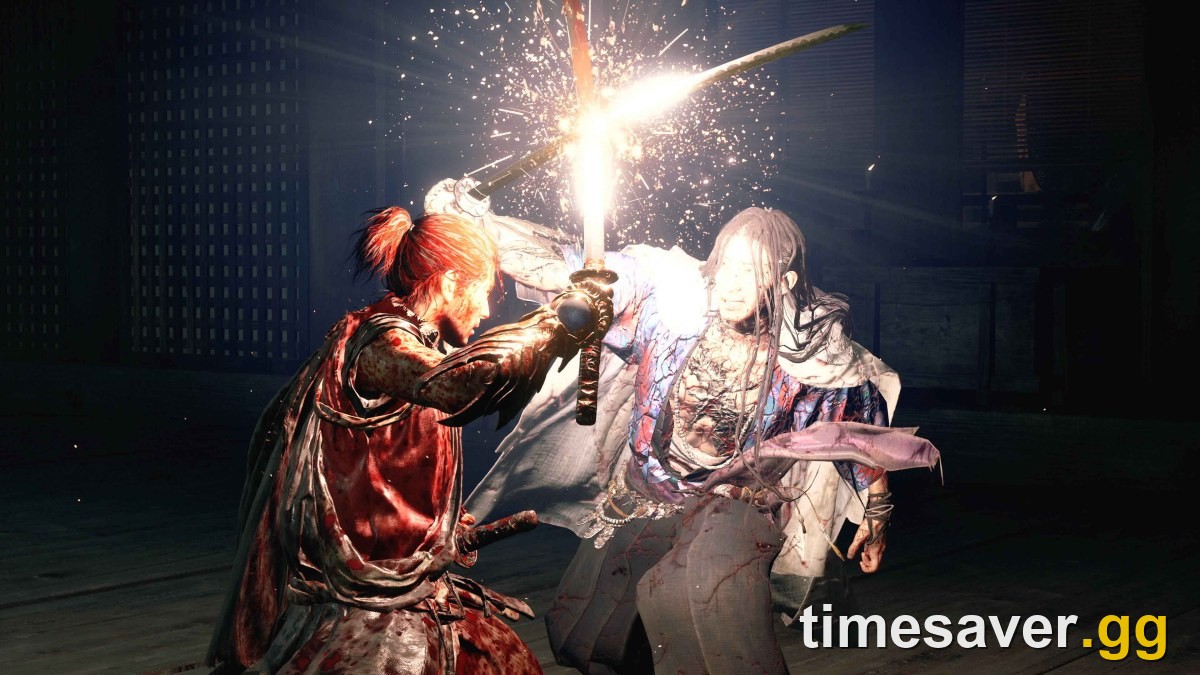
How does Issen work?
Issen is a perfectly-timed counter-strike: attack in the razor-thin window as an enemy's blow is about to land, and Musashi answers with an instant, often one-shot riposte. It is the highest-skill, highest-reward option in the kit, and the demo is quietly built to teach it — the game funnels you into pockets of enemies that each demand a different defensive read before the boss.
A few things the demo makes clear about Issen:
- It has a counter. During a demo run there is an Issen tally shown above your item bar, so you can see exactly how many clean counters you have landed. That counter is not cosmetic — it gates the demo's secret content (more below).
- Timing is everything. Issen is not a button you hold; it is a window you hit. Mistime it and you eat the hit instead.
- It scales with commitment. Community and preview coverage describe a "Break Issen" that finishes weakened enemies with a dismemberment, plus buffs for chaining consecutive parries and dodges. Treat those specifics as preview/Wikipedia-sourced, not Capcom-confirmed until launch — only "Issen," "parry," "deflect," "soul absorption," and "Oni Armament" are named directly by Capcom for the demo.
If you want a worked example against an actual opponent, our demo walkthrough for beating Sasaki Ganryu shows where Issen windows open up in that specific duel.
Parry, deflect, or guard — which defensive layer do you use?
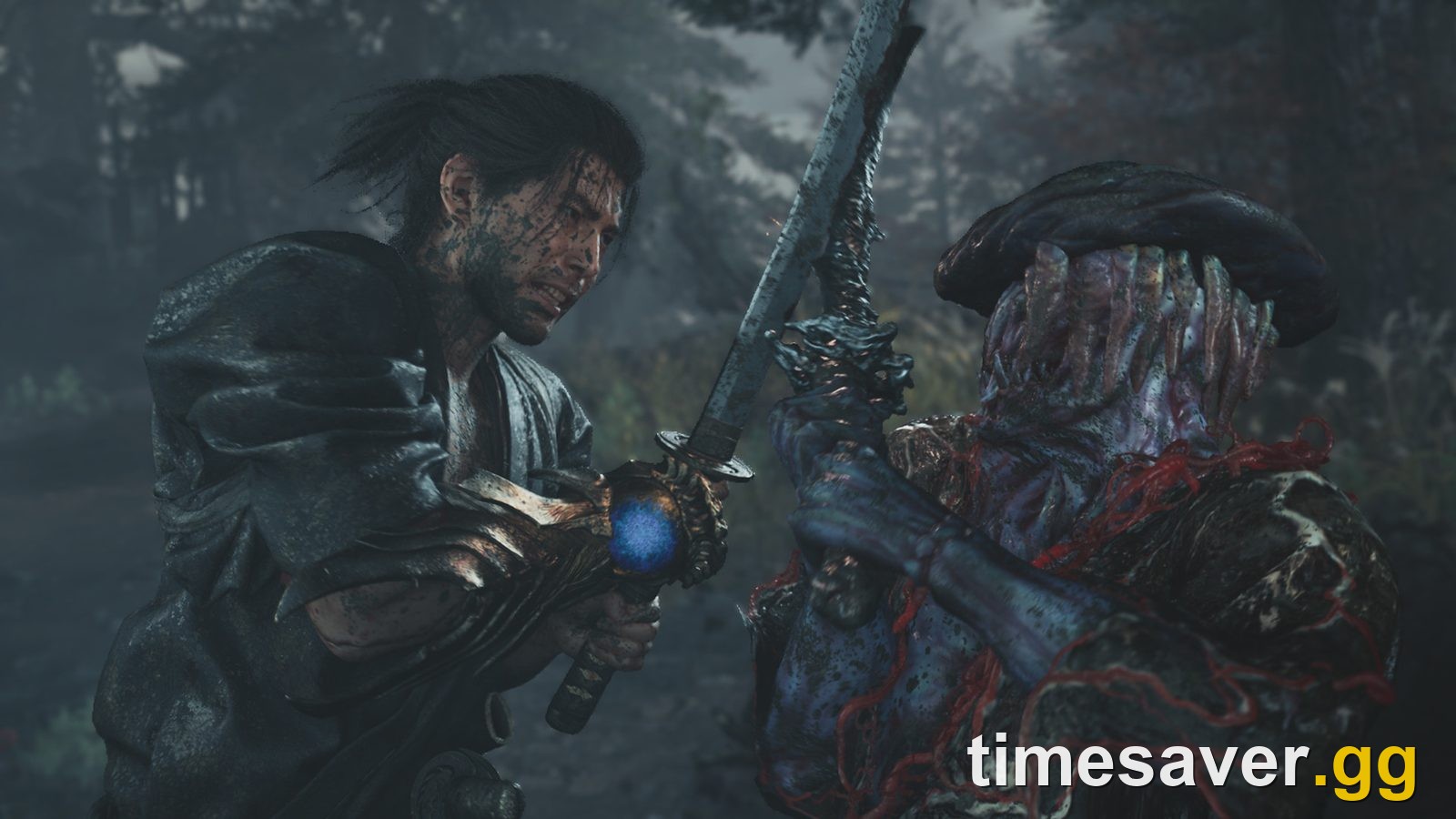
The demo hands you three distinct defensive tools, and confusing them is the fastest way to get flattened:
- Parry — an active, well-timed block that stops an attack cold and sets up your counter. This is your bread and butter.
- Deflect — a directional redirect. The demo deliberately drops archers into the mix to teach it: you deflect projectiles instead of trying to parry a melee swing.
- Guard — a held, all-directional block. Useful, but spamming guard drains your stamina, and when that stamina breaks you get staggered into a long recovery — which is exactly the "clunky" moment new players complain about (see below).
The design intent is a ladder: guard when you must, deflect what you can't parry, and parry-into-Issen when you read the attack. Dodging exists, but it is intentionally limited — this is not a dodge-roll game.
What do the souls and the Oni Gauntlet actually do?
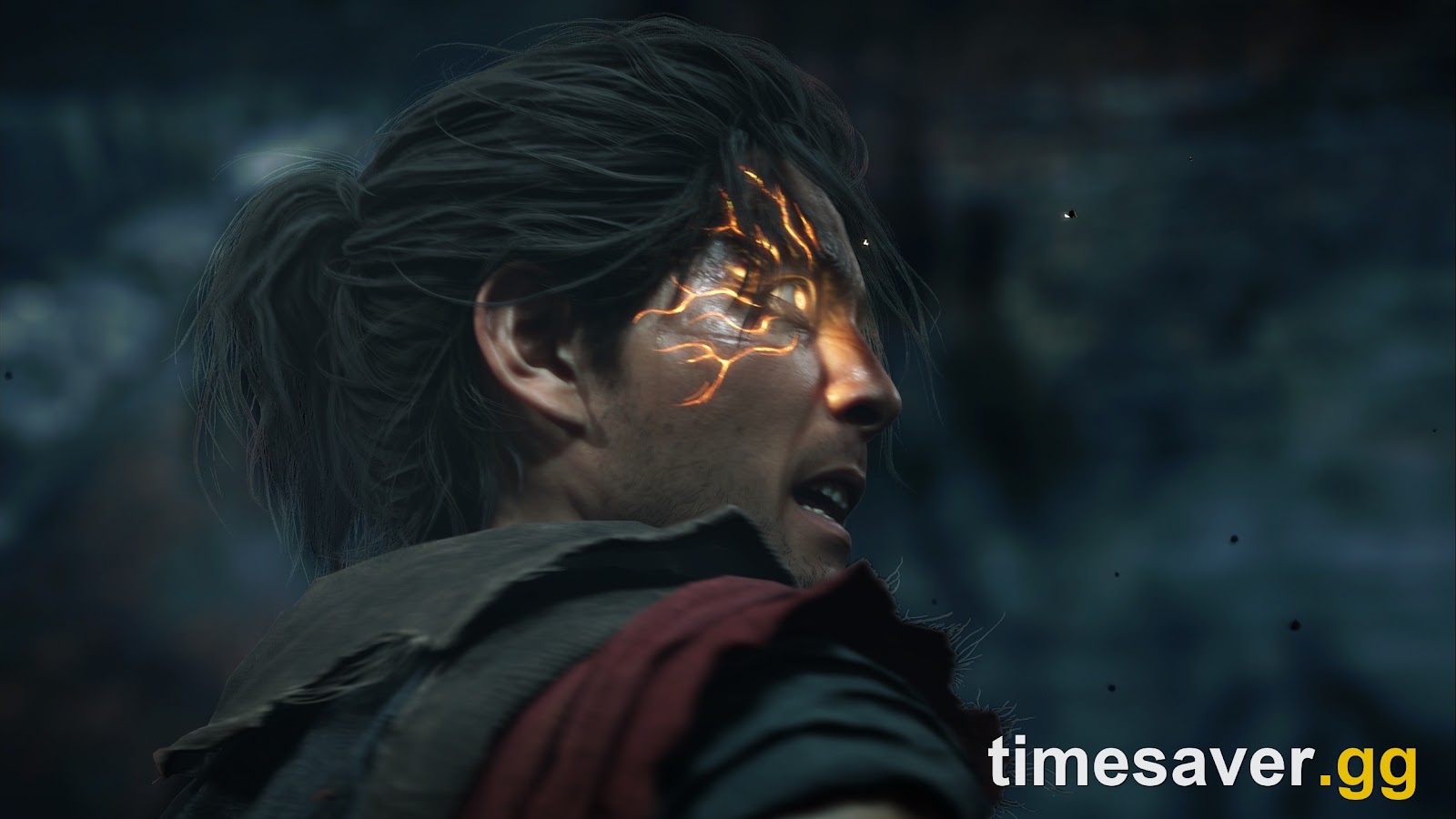
When a Genma falls, it leaves souls, and the Oni Gauntlet absorbs them. Capcom describes the gauntlet as an artifact that "absorbs Genma souls and converts them into a power source" — and it talks. (Capcom is teasing "who is behind the voice that rings out from the gauntlet.") Soul absorption is both your economy and part of your offense.
Based on the demo and preview coverage, souls come in three colours — treat this as demo/preview-sourced and subject to change:
| Soul colour | What it does |
|---|---|
| Yellow | Restores health |
| Red | Acts as upgrade currency |
| Blue | Charges the Oni Armament special weapon(s) |
The Oni Armament is the blue-soul payoff: a special weapon you unleash once you have banked enough charge. Capcom's demo wording is singular — one Oni Armament in the demo — and how many exist in the full game is not confirmed, so don't assume a full arsenal yet.
The practical takeaway for the demo: absorb aggressively. Souls are an in-run resource, not a tradeable economy — there is no farming, no market, and nothing to grind between sessions. It is all fuel for the fight in front of you.
Why does the combat feel "heavy" or "clunky"?
This is the single most-discussed topic in the community right now, and it is mostly a design choice being mistaken for a bug. Players who pushed through the demo point to a few deliberate systems:
- The long get-up animation is a punishment, not lag. You only enter that slow recovery after a big hit or after your guard stamina is depleted by over-blocking. The game wants you to feel the weight of taking a heavy attack, so it makes you earn your footing back — like eating a knockdown in a fighting game.
- The dodge is intentionally slow and limited. Because Onimusha is built on parry/deflect/Issen, the dodge is deliberately not a spammable panic button. It has evasion frames, but the game does not want you rolling out of every situation.
- Strong attacks are slow because they matter. Heavy swings are meaningful and committal, not flurry filler.
If it feels stiff on your first run, that is the learning curve, not input delay — most players report it "clicks" once they stop trying to dodge everything and start parrying. That said, some players do report a slow turn rate and are waiting on launch to judge it; keep expectations honest.
How do you unlock the demo's secret boss, Byakue?
Here is the reward for mastering Issen early. In the expanded demo, landing 10 Issen during a run unlocks a hidden Special Challenge in the main menu — a secret boss that community captures identify as Byakue ("Hundred Defilements"). It is significantly harder than Sasaki Ganryu: much stricter timings, far less forgiveness.
To trigger it (demo-derived, community-verified across Reddit and multiple gameplay captures as of August 30, 2026):
- Start a demo run and fight normally.
- Land 10 Issen before the demo's final boss — watch the Issen counter above your item bar.
- Finish the run. The Special Challenge (Byakue) then appears in the main menu.
It is optional and brutal by design, and it is the clearest signal that the full game has real teeth for players who want them — even though the standard demo skews easy. Capcom has also noted that Musashi is deliberately stronger in the demo than he would normally be at that point in the game, which is part of why the demo feels forgiving.
Is the combat too easy? What changes at launch
The demo's reputation is "fun but easy," and that is partly by design — see the stronger-than-normal Musashi note above. For the full game, Capcom confirmed two difficulty presets (widely reported as Story and Action — strongly reported but still Tier-2, not an official settings page) and, after demo feedback that it was too easy, said it is adding more granular, modular difficulty settings on top of the presets. Previews also indicate the game ramps up in its second half and unlocks a harder mode after completion. None of that is a boss guide — those aren't writable until launch — but it tells you the easy demo is not the ceiling.
Want to make sure your machine can even run the harder stuff at a good frame rate? Check our PC system requirements and benchmark-tool guide, and if you're counting down, our preload and release-time breakdown covers when the game actually unlocks.
The fastest way to get good before launch
You have the demo and about five days. A tight practice plan:
- Learn the parry window first on the early Genma — don't touch dodge.
- Deflect the archers instead of charging them; it teaches the directional read.
- Bank blue souls and fire the Oni Armament on the tankier enemy the demo throws at you.
- Grind Issen deliberately — you need 10 clean counters to unlock Byakue anyway, so make every fight an Issen drill.
- Fight Byakue for the real timing test. If you can read that boss, launch difficulty will not surprise you.
FAQ
How does Issen work in Onimusha: Way of the Sword? Issen is a perfectly-timed counter-strike: you attack in the split-second an enemy's blow is about to connect, and Musashi answers with an instant riposte that can one-shot lesser Genma. It is the series' signature move and the highest-reward option in the demo. The demo even shows an Issen tally above your item bar so you can track clean counters.
What is the difference between parry, deflect, and guard? Parry is an active, timed block that stops an attack and sets up your counter; deflect is a directional redirect the demo uses to teach you how to handle archers and projectiles; guard is a held all-directional block that is safe but drains stamina if you over-use it. Over-blocking with guard is what staggers you into the slow recovery animation.
Why do the controls feel clunky or slow? Mostly by design, based on how demo players describe it. The long get-up animation only triggers after a big hit or after your guard stamina breaks, and it is meant to punish getting hit; the dodge is intentionally limited because the game is built on parry, deflect, and Issen rather than rolling. Most players say it "clicks" once they stop trying to dodge everything, though a few are still reserving judgment until launch.
How do you unlock the secret boss Byakue in the demo? Land 10 Issen during a demo run — track them on the counter above your item bar — then finish the run, and a hidden Special Challenge (the boss players identify as Byakue) appears in the main menu. It is much harder than Sasaki Ganryu, with far stricter timing windows. This is demo-derived and community-verified as of August 30, 2026.
What do the different coloured souls do? Based on the demo and preview coverage (not yet fully Capcom-confirmed), yellow souls restore health, red souls act as upgrade currency, and blue souls charge your Oni Armament special weapon. The Oni Gauntlet is what absorbs them all, converting Genma souls into a power source.
Is Onimusha: Way of the Sword a Soulslike? Capcom says no. Director Satoru Nihei has repeatedly called it a character-action game focused on thrilling swordplay rather than punishing difficulty, even though the parry-heavy combat and a Steam user tag both invite the comparison. The optional Byakue challenge shows the game can be hard when it wants to be — but that is a choice, not the whole game.
| Which platforms have the demo? The free demo is available now, and the full game launches September 4, 2026 on PlayStation 5, Xbox Series X | S, Nintendo Switch 2, and PC (Steam and Epic). It's single-player only — there is no co-op or multiplayer. |
|---|
More Onimusha: Way of the Sword guides:
All facts current as of August 30, 2026. Onimusha: Way of the Sword releases September 4, 2026. Demo-based mechanics are labelled as such; full-game systems, boss rosters, and difficulty details beyond the demo are not final pre-launch. Sources: Capcom Steam news (June 3, 2026), Capcom IR, and the live demo (Steam AppID 3974650).