Short answer, as of August 17, 2026: No — Onimusha: Way of the Sword is not a Soulslike. Capcom and director Satoru Nihei have said so directly: it is a character-action game. Steam users have slapped a "Souls-like" tag on the store page because the combat is built around parries and a signature counter called the Issen, but the developers have deliberately designed the game to be accessible — with two difficulty presets and extra modular settings added after players called the demo too easy. If you came here dreading a From-Software-grade wall of pain, you can relax. For more context, check out the onimusha way of the sword combat guide.
Key takeaways
- Not a Soulslike — officially. Director Satoru Nihei has explicitly said the game is a character-action title, not a Soulslike. That is Capcom's on-record position, not a fan guess.
- Why the confusion? The combat is parry-heavy (the Issen perfect counter), and "Souls-like" is a top user tag on the Steam page. User tags are not Capcom's description.
- It's built to be beatable. The team reworked difficulty after demo feedback that it was too easy, adding more granular settings on top of the presets.
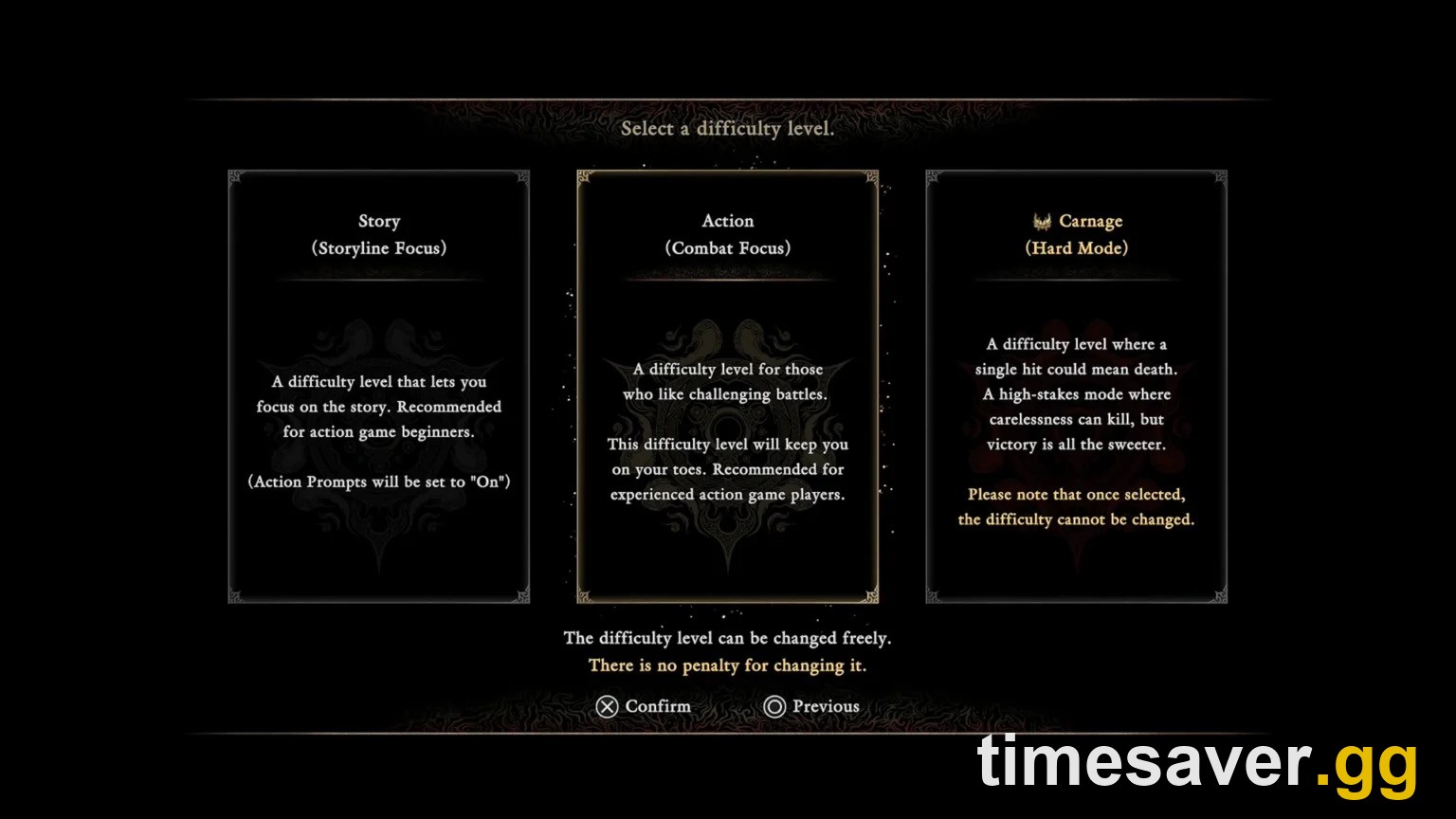
- Difficulty modes: two presets — widely reported as Story and Action — plus adjustable settings. The exact in-game names and sliders are not yet on an official Capcom page (as of this writing).
| - Release: Friday, September 4, 2026 on PS5, Xbox Series X | S, Switch 2 and PC. A free demo is live now on Steam. |
|---|
Is Onimusha: Way of the Sword a Soulslike?
No. This is one of the rare cases where the developer has answered the question for us, repeatedly and plainly.
Director Satoru Nihei has stated the game is a character-action game, not a Soulslike — a point he reiterated in Capcom's 2026 preview cycle. Game Informer, after hands-on time and a direct interview, summarized it bluntly: "it is a character action game, through and through." Wikipedia's entry, citing the same interviews, records that the game "was designed to be accessible while remaining challenging for experienced players, with director Satoru Nihei adding that it was not a Soulslike."
That lineage matters. Onimusha's roots are in early-2000s Capcom action — puzzle-laced, cinematic, combo-and-counter combat — years before Demon's Souls defined the "Souls-like" genre. Way of the Sword is the first new mainline entry in over 20 years, and Capcom is positioning it as a return to that character-action pedigree, not a pivot into FromSoftware's lane. The series has sold 9.1 million cumulative units since 2001 (Capcom IR, July 2, 2026), and this revival is meant to feel like Onimusha, not like a Souls clone wearing a kimono.
So why does the question keep trending? Because the moment-to-moment combat looks Souls-adjacent — and one very visible label is fueling it. Onimusha: Way of the Sword ending explained
Why does everyone think it's a Soulslike?
Two reasons, and both are understandable.

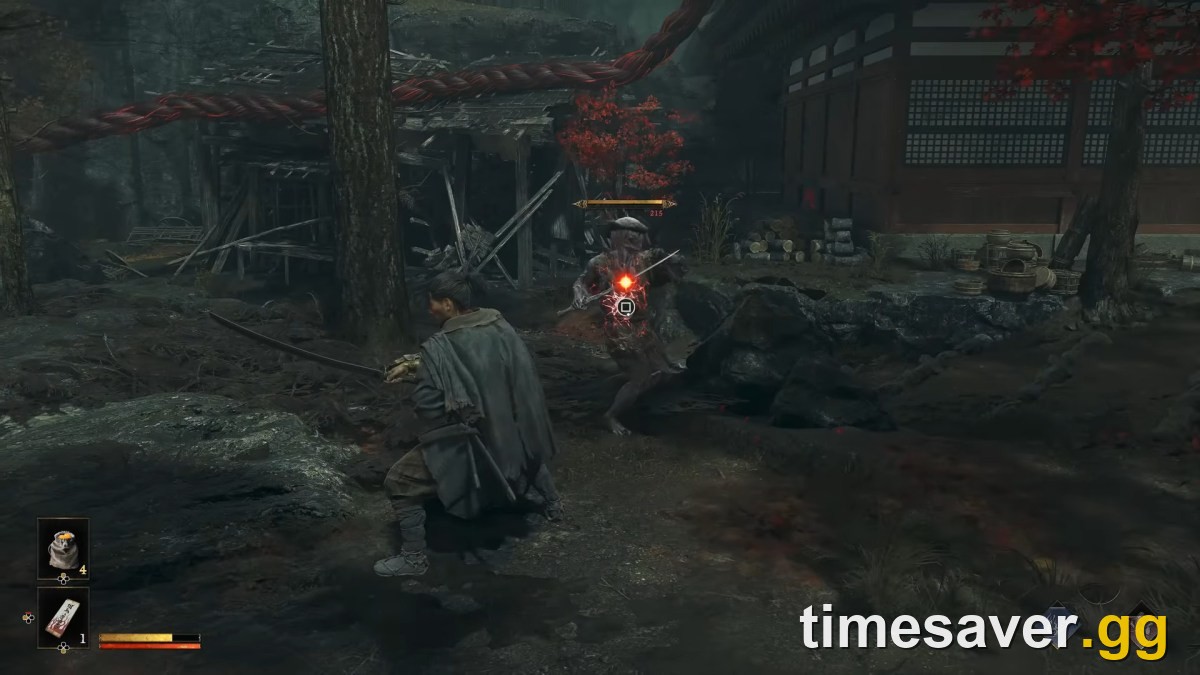
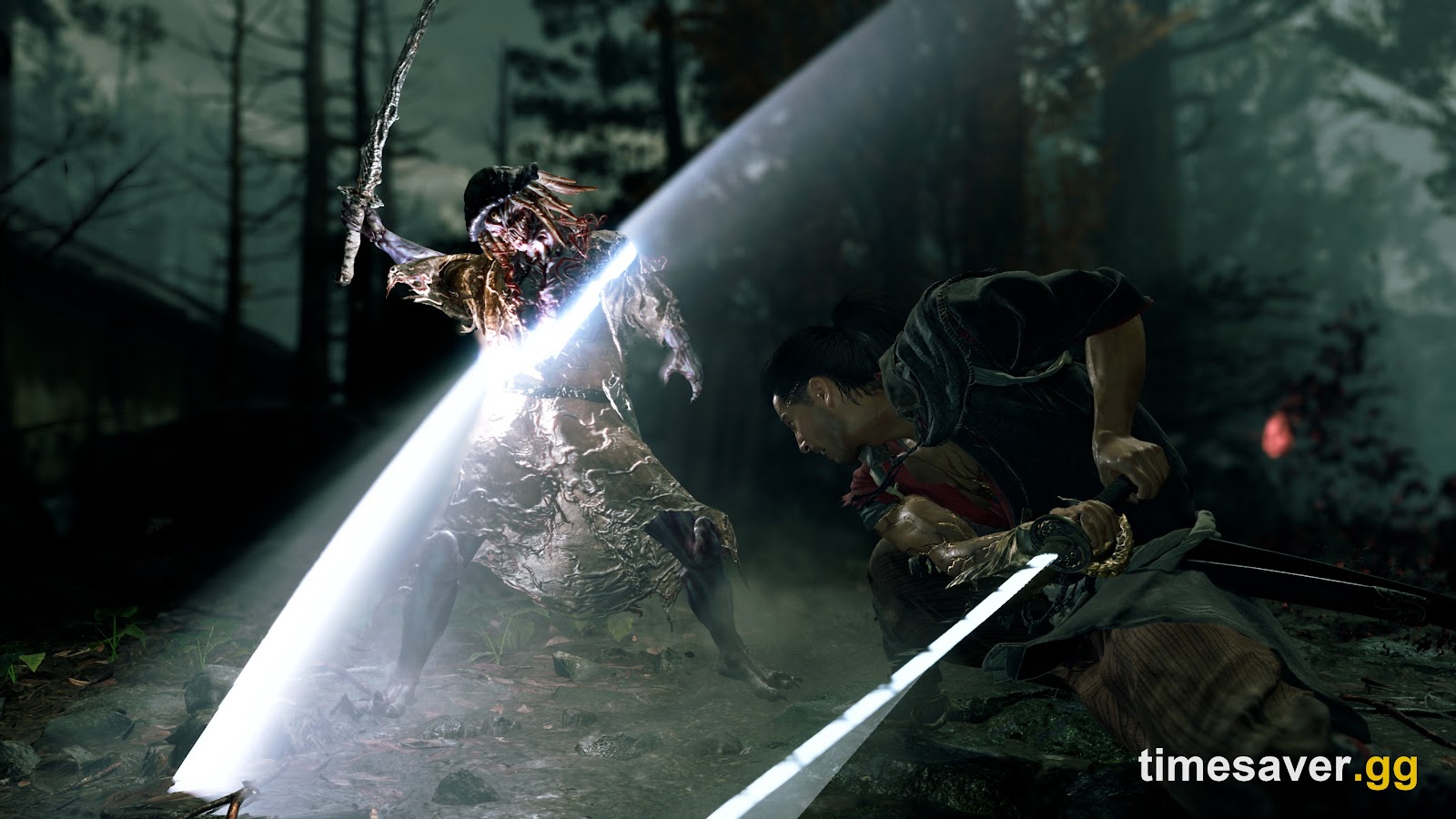
1. The combat is parry-centric. The demo's headline mechanic is the Issen — the series' signature perfectly-timed counter-strike. Capcom's own demo announcement (Steam, June 3, 2026) tells players to "utilize parries, deflects, Issen, soul absorption, and an Oni Armament" to fight through the Kiyomizu-dera Temple stage. Parry-punish-repeat is the core loop of modern Souls-adjacent action (think Sekiro's deflect rhythm), so anyone playing the demo feels an echo of it. But echo is not equivalence — the Issen has been an Onimusha mechanic since 2001, long predating the genre it's now compared to.
2. Steam's "Souls-like" user tag. On the store page for Way of the Sword (AppID 2638890), "Souls-like" sits near the top of the community tags. Here's the catch: Steam user tags are crowd-sourced, not Capcom's genre labels. The same tag cloud also carries "Open World" — which is flatly wrong, since Capcom and Game Informer have both confirmed the game is not open-world. If a tag can be wrong about the map structure, it can be wrong about the genre. Treat those tags as vibes, not verdicts.
That's the accurate framing to hold: the parry-heavy combat invites the Souls comparison, and players have leaned into it on Steam — but the developer's actual description is "character-action."
What did the director actually say about difficulty?
This is where the story gets genuinely interesting, because Capcom didn't just deny the Souls label — the team explained why they went the other way.
Nihei's stated goal is thrilling sword fights, not punishing frustration. Across multiple 2026 interviews, he and producer Akihito Kadowaki framed the design philosophy around accessibility: they explicitly did not want to make an "impossibly difficult" game. The reasoning the team gave, paraphrased consistently across outlets, was refreshingly pragmatic — games are expensive, and they didn't want to build a game most Onimusha Way of the Sword editions explaineders can't enjoy through to the end. The satisfaction is meant to come from cleanly cutting enemies down with well-timed Issen counters, not from dying 40 times to a tutorial boss.
Crucially, that doesn't mean it's a walkover. When the free demo went live and some players said it felt too easy, the team responded not by cranking global difficulty but by adding more granular difficulty options on top of the existing presets. Automaton West captured the design intent in a headline that's worth quoting directly: "We didn't want to just nerf the enemies and call it a day." In other words, Capcom is trying to serve both the "I want a cinematic samurai power fantasy" crowd and the "give me a real challenge" crowd — from the same combat system, tuned by the player.
What difficulty modes does Onimusha: Way of the Sword have?
Here's the honest, source-disciplined version — because this is exactly the kind of detail that fan sites get wrong before launch.
What's solid: Capcom confirmed two difficulty levels in a June 28, 2026 trailer, and — after the demo-is-too-easy feedback — said it is adding more granular / modular difficulty settings layered on top of those presets.
What's strongly reported but not yet official: the two presets are widely and consistently described across outlets as Story and Action, with Story being the more forgiving mode and Action the standard challenge. Multiple established sites report those names, so they're likely correct — but no Capcom page has formally enumerated the preset names or the exact list of adjustable slider parameters as of this writing (August 17, 2026). We'll update this guide with the confirmed in-game names once the game is out or Capcom publishes a settings page.
What we won't do: invent slider names, invent numeric difficulty tiers, or tell you "here's the best difficulty setting" for a game nobody outside Capcom has finished yet. If a site is already listing precise slider values for the full game, they're guessing.
The practical takeaway: expect a chooseable difficulty (not a single locked From-Software curve), a gentler Story-style option for players who want the samurai spectacle, and finer knobs for players who want the fights to bite.
How does the combat compare to Sekiro and Souls games?

Comparisons help, as long as they stay comparisons and not claims of fact.
- The parry rhythm rhymes with Sekiro. Sekiro's deflect loop and Onimusha's Issen counter both reward precise timing over dodge-rolling. If you loved learning Sekiro's cadence, the Issen will feel intuitive. But Capcom has not described a Sekiro-style "posture meter" or "stagger bar" as a mechanic, so don't assume one exists — treat that as an open question until launch.
- Level design is not Souls-structured. Capcom (via a PC Gamer preview relayed on Steam, and Game Informer's August 10 feature) says the full game has larger, more open areas than the linear demo — but it is not an open-world game, and there's no indication of interconnected Souls-style shortcuts or bonfire-loop level design. It's built as a character-action progression.
- Death and punishment are dialed differently. Souls games make death the teacher. Onimusha's stated design is to keep you enjoying the fights to the end, with difficulty you can tune — a different pact with the player.
- Absorb, don't estus. Instead of a Souls-style healing flask economy, the demo's loop leans on soul absorption (Capcom's term) from felled Genma. Reported soul colors — yellow for health, red for upgrades, blue for the Oni Armament special weapon — line up with hands-on coverage, but treat the exact economy as demo-derived until the full systems are confirmed.
Net: it feels like a cousin of the parry-forward action games people call "Souls-likes," but it's engineered around approachability and cinematic samurai combat rather than punishing attrition.
Should Souls fans — and Souls-avoiders — buy it?
- If you avoid Souls games because they're brutal: this is aimed at you. The whole difficulty rework exists so you can finish it. Start on the more forgiving preset, lean into the Issen, and enjoy the spectacle.
- If you love Souls/Sekiro for the challenge: you're covered too — that's the point of the added granular settings and the "we didn't want to just nerf the enemies" philosophy. Bump the difficulty and the parry timing will test you.
- If you specifically want a Soulslike: temper the expectation. This is character-action with parry depth, not a From-Software structure. Great news for most players; worth knowing before you buy.
The smartest move before launch is free: the demo is live right now on Steam, covering the Kiyomizu-dera stage and the Sasaki Ganryu duel — and holding your demo save even nets you a Kubi Akari charm in the full game. Play it, judge the feel yourself, and you'll answer the "is it a Souls-like?" question with your own hands.
Want more before September 4? Read our companion guides for the launch:
- How to Beat Sasaki Ganryu in the Onimusha: Way of the Sword Demo (Issen & Parry Tips)
- Onimusha: Way of the Sword PC System Requirements — Can You Run It?
- Switch 2 performance — frame rate, docked vs handheld, and what to expect on Nintendo Switch 2.
FAQ
Is Onimusha: Way of the Sword a Soulslike? No. Director Satoru Nihei has explicitly said it is a character-action game, not a Soulslike, and Capcom designed it to be accessible while still challenging experienced players. The "Souls-like" label on Steam is a crowd-sourced user tag, not Capcom's genre description.
Why do people call it a Soulslike then? Because the combat is built around parries and the signature Issen perfect counter, which resembles the timing-based deflection in games like Sekiro, and because "Souls-like" is one of the top user tags on its Steam page. The same tag cloud wrongly labels it "Open World" too — Capcom has confirmed it is not open-world.
How hard is Onimusha: Way of the Sword? Capcom is aiming for challenging-but-fair rather than punishing. After demo players said it felt too easy, the team added more granular difficulty settings on top of the presets — the developers said they "didn't want to just nerf the enemies and call it a day." You'll be able to tune the challenge to your taste. (Onimusha Way Of The)
What difficulty modes does it have? Capcom confirmed two difficulty presets (in a June 28, 2026 trailer) plus additional modular settings. Those presets are widely reported as Story and Action, but as of August 17, 2026 the exact in-game names and the list of adjustable settings have not been officially published by Capcom — treat the names as reported, not confirmed.
Is it like Sekiro? The parry-and-counter rhythm invites the comparison, and Sekiro fans will likely enjoy the Issen timing. But Capcom has not described Sekiro-style systems like a posture meter as confirmed mechanics, and the level design is character-action, not open-world — so it's a spiritual cousin, not a copy.
| When does Onimusha: Way of the Sword release? Friday, September 4, 2026, worldwide on PS5, Xbox Series X | S, Nintendo Switch 2 and PC (Steam and Epic). The standard edition is $69.99. A free demo is available now on Steam. (Note: Steam may display "Sept 3" for some regions — that's a timezone display artifact; the announced date is September 4.) |
|---|
Can I try the difficulty myself before buying? Yes. The free demo is live now on Steam, featuring the Kiyomizu-dera Temple stage and the Sasaki Ganryu duel. Keeping your demo save data also grants a Kubi Akari charm in the full game.