WoW Forever transmog is optional, but its loot rules matter even if you never plan to change an outfit. Blizzard separates collecting an appearance, winning the actual item, and choosing what other characters look like on your screen. Confusing those three decisions is how a useful dungeon change becomes the misleading claim that everyone automatically collects every raid appearance.
This guide explains the confirmed dungeon and raid distinction, Classic Mode, item-type restrictions, and the questions worth checking during beta. It follows Blizzard's published design, not an assumed copy of Retail's system. Updated October 8, 2026: Forever is in beta (through October 21); the full game launches November 4.
Quick answer: In WoW Forever, a bind-on-pickup Uncommon or Rare dungeon item's appearance goes to all eligible looters when the item is looted. Epic raid appearances go only to the player the item binds to. Classic Mode disables transmog automatically, but you keep collecting appearances. Level 60 removes level restrictions on valid collected appearances; it does not remove item-type rules.
These distinctions come directly from Blizzard's Forever Deep Dive recap. They describe announced mechanics, not a promise that every beta interface or edge case is final.
How does WoW Forever transmog change dungeon loot?
The important phrase is eligible looters, not everyone in a party under every circumstance. Blizzard specifies bind-on-pickup Uncommon and Rare items in dungeons. When one is looted, eligible looters receive its appearance. The actual equipment still has an owner; an appearance unlock is not a second physical item, a second set of stats, or permission to equip something your character could not use.
Blizzard explains the intention: “someone who needs an item as an upgrade should not have to worry about another player rolling against them just to collect the appearance.” That is the official reasoning in the transmogrification section of the Deep Dive, and it is a better guide to the rule than a headline saying all drops are shared.
For a dungeon group, the practical recommendation is straightforward: talk about equipment upgrades separately from appearance collection. If the item falls within Blizzard's stated shared-appearance category, winning it solely for the look should not be necessary for an eligible looter. Do not extend that recommendation to every quality, source, or binding type without checking the item.
The first beta week includes Hall of Thanes, listed for levels 13–18, and Ruins of Lordaeron, listed for 15–20, according to Blizzard's beta availability announcement. Our Forever beta dungeon guide covers that testing context. These ranges are not evidence that every item in those dungeons follows the same appearance rule: quality and binding still matter.
Which appearances are shared, and which are personal?
Use this as a classification table, not a replacement for the item's tooltip. It summarizes only the categories Blizzard explicitly explains.
| Item category | Confirmed appearance rule | Practical consequence |
|---|---|---|
| Bind-on-pickup Uncommon dungeon item | Appearance granted to all eligible looters when looted | Separate the equipment roll from collecting the look |
| Bind-on-pickup Rare dungeon item | Same eligible-looter rule | Losing the equipment roll need not mean losing the appearance |
| Epic raid drop | Appearance goes on acquisition only to the player it binds to | Raid ownership and organized loot decisions still matter |
| Poor or Common item | Appearance granted when looted; binding is not required first | Do not assume every collectible look requires a soulbound item |
| Other combinations not explained in the recap | No universal rule established here | Check the current item and current official clarification |
All four confirmed entries are sourced to Blizzard's Deep Dive. The final row is deliberately not filled with guesses. For example, “epic raid drop” does not establish the behavior of every epic world drop, and “bind-on-pickup dungeon item” does not establish the behavior of every bind-on-equip item.
That restraint matters in beta. A tidy but invented all-item matrix would be easier to skim and much less useful when your group is deciding who should receive an upgrade.
Why do epic raid appearances work differently?
Blizzard says epic raid appearances are granted only to the player the item binds to. Its stated aim is to preserve the prestige of higher-level rewards while leaving organized loot decisions with raid groups. You should therefore not assume that attending a kill or being eligible for a boss's loot automatically adds its epic appearances to your collection.
The practical difference is social as much as mechanical. A dungeon group has a specific protection against appearance-only competition for the covered green and blue drops. A raid still needs clear rules about upgrades, off-spec items, and appearance interest. The appearance system does not replace a group's loot agreement.
Before joining a raid, ask how appearance-only interest is handled relative to equipment upgrades. That is advice about avoiding mismatched expectations, not a claim that Blizzard mandates a particular loot council, roll priority, or distribution addon. This guide does not invent a raid-loot policy the official source never supplies.
Nor should the rule be marketed as a guarantee against every loot dispute. It removes one particular incentive in covered dungeon situations. It does not guarantee honest behavior, enforce every group's promises, or make raid appearances communal.
How do you turn transmog off with Classic Mode?
Blizzard confirms two routes. Players can visit a transmogrifier in certain cities to configure outfits or disable the system. Choosing Classic Mode when first launching the game automatically disables transmog upon entering the world.
With transmog disabled, you see other players in their equipped gear rather than their chosen appearance overrides. That makes the option useful if you prefer to read equipment visually while leveling, or simply want the original-style mixture of armor pieces. It is a personal viewing preference, not a demand that everyone else stop collecting outfits.
The subtle point is that turning it off does not stop appearance collection. You can play with equipped-gear visuals and keep unlocking appearances for a possible later change of mind. You do not need to settle your permanent fashion preference before your first dungeon.
The official recap names city transmogrifiers but does not provide a complete location list in this section. We are not presenting community-reported NPC coordinates as verified official instructions. This is a rules guide, not a location walkthrough with an untested pin.
Can you hide your own gear while transmog is disabled?
Blizzard explicitly separates disabling your view of the system from configuring your own appearance. Its recap says players can still configure and display their own transmog with the system disabled, including hiding a slot such as a helm or cloak.
It also gives a specific exception for what other opted-out players see: hidden helm and cloak settings remain visible to them, preserving the original game's functionality around those choices. Consequently, “off means absolutely every slot is forced visible” is not an accurate summary either.
Keep that exception narrow. Community discussion raises broader questions about individual shoulders and other hidden slots, but the official passage specifically confirms helm and cloak behavior. Until a current primary source establishes more, do not turn that into a promise about every individual armor slot.
A useful way to think about the system is three separate questions: what have you collected, what have you configured on your character, and what does another player choose to see? One toggle does not collapse all three into a single shared setting.
What armor and level restrictions still apply?
Transmog follows item-type rules. Blizzard's examples are direct: plate transmogs to plate and cloth to cloth. It even describes a Paladin wearing a cloth chest such as Robes of the Exalted: that item would need another cloth chest appearance.
The implication is easy to miss if you think only about class identity. A Paladin's ability to wear plate does not make a currently equipped cloth chest a plate item for appearance purposes. Identify the actual item category before deciding which collected look should work.
Low-level characters also cannot use high-level appearances until level 60, when level restrictions are removed for valid appearances in their collection. Cosmetic-only items are the exception identified by Blizzard, which says they will be rare in Forever. The source does not give a complete cosmetic-item catalog or a universal weapon-restriction matrix here.
The level-60 rule concerns the full game's progression. Blizzard's current beta page says the test starts at level 20 and rises to 30 later. Do not expect beta to let you prove a level-60 wardrobe rule by leveling normally to the full-game cap. The test window and launch experience are different scopes.
What should you check in beta before planning an outfit?
Start with the confirmed categories and record concrete exceptions rather than guessing from a missing appearance. A useful testing note includes the item name, quality, binding, source, your eligibility, and whether you are checking collection or the ability to apply a look. Those details distinguish a rules misunderstanding from a possible bug.
For a dungeon drop, first ask whether it is an Uncommon or Rare bind-on-pickup item. Next establish whether you were an eligible looter. Then check whether the appearance was collected after looting, rather than assuming that its absence from an application menu proves it was never collected. Level and item-type restrictions can be separate questions.
For a display disagreement, compare whether each player has transmog enabled. Two players seeing different versions of the same character can be consistent with the announced system. It is not automatically a broken outfit.
Finally, use beta feedback for reproducible observations, not a claim that an unverified shortcut will survive launch. This article intentionally does not supply a final service fee, a full city-NPC list, or an all-weapons compatibility chart. Blizzard's cited recap does not establish those details, and a confident invented answer would waste your time.
How does this fit Forever's version of Classic?
Forever's design lets appearance collectors participate without forcing every player to view the result. Shared eligible dungeon appearances address one source of friction, while personal epic raid appearances preserve a distinction around higher-level rewards. That is more specific than simply saying Forever either “has Retail transmog” or “keeps everything exactly like Era.”
For the broader version comparison, see Forever versus Classic Era, Retail, and Season of Discovery. Our older Classic+ versus SoD and Era explainer is historical pre-announcement context, not a source for current Forever mechanics. Use the dated Blizzard recap for the rules in this guide.
If you are continuing to play Classic Era while testing Forever, keep the two plans separate. There is no verified gold or character carryover established by these sources, and an Era purchase is not a way to fund a Forever wardrobe.
Still playing Classic Era while waiting for Forever? These timesaver.gg pages cover Classic Era only; they are not Forever products and do not imply transferable gold or characters.
- WoW Classic Era services — browse services for your existing Era play.
- WoW Classic Era Gold — an Era-only product, not Forever launch currency.
FAQ
Does everyone get every WoW Forever transmog drop? No. Blizzard shares appearances from bind-on-pickup Uncommon and Rare dungeon items with eligible looters. Epic raid appearances go only to the player the item binds to.
Does Classic Mode stop me collecting appearances? No. Classic Mode disables transmog automatically, but Blizzard says appearance collection continues while the system is disabled.
Can I turn transmog off and still hide my helm or cloak? Yes. Blizzard says you can configure your own appearance while the system is disabled, and other opted-out players still see hidden helm and cloak settings.
Can a Paladin turn a cloth chest into a plate appearance? Not under the stated item-type rule. Blizzard specifically says a Paladin wearing Robes of the Exalted would need another cloth chest appearance for that item.
Does reaching level 60 remove every transmog restriction? No. It removes level restrictions for valid appearances in your collection. It does not erase the separately stated item-type restrictions.
Can I test the level-60 appearance rules in the current beta? Normal beta leveling does not reach 60 under the published test plan: Blizzard says the cap begins at 20 and will rise to 30 later. Do not confuse the beta cap with the full game's level cap.
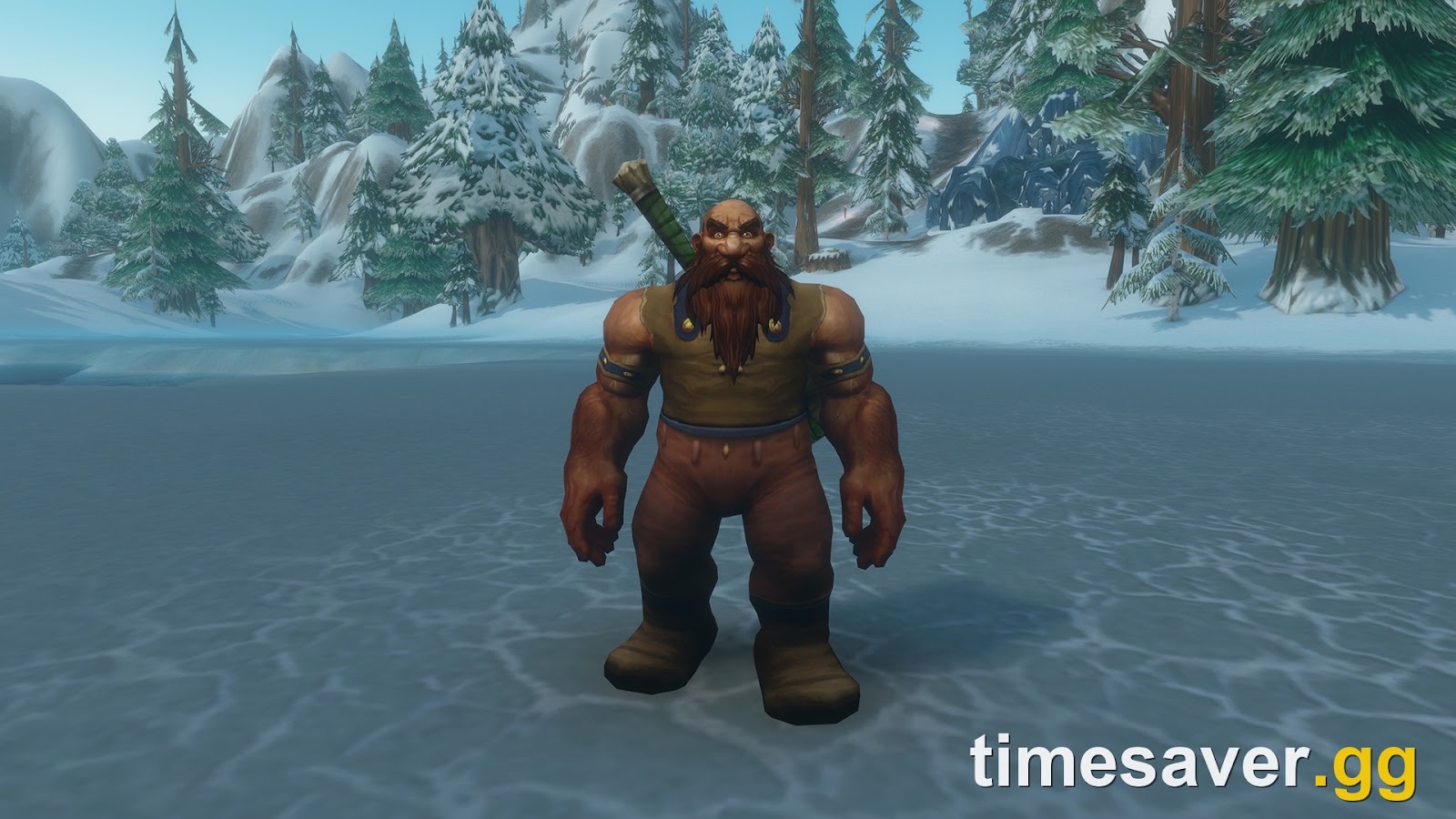
Sources: Blizzard's Forever Deep Dive and beta announcement, checked October 8, 2026. Featured image: Blizzard's official character preview from the What's Next recap, watermarked by timesaver.gg; it is not a screenshot of the transmog interface.