Quick answer: what to know before you play
The Blood of Dawnwalker launches September 3, 2026 on PS5, Xbox Series X/S and PC, and it is not a normal open-world RPG you can bulldoze through. Before you start, understand these five things: (1) time is spent by your actions, not by a clock — exploring is free, but story actions burn day or night "slots"; (2) you have 30 days and 30 nights after the prologue to save your family, and you cannot do everything; (3) protagonist Coen is a Dawnwalker — human by day, vampire by night, and each half of the cycle unlocks different options; (4) there are four difficulty presets — Story, Fair, Challenging and Duelist — plus deep custom sliders you can change any time; and (5) combat is a directional duel system that punishes button-mashing. Get those straight and the first few hours click.
This guide is written on September 1, 2026, two days before launch. Every gameplay detail below is attributed to either developer Rebel Wolves' own posts or to named launch reviewers who played the finished game (the scored-review embargo lifted August 31, 2026). Nothing here is invented pre-launch speculation.
The Blood of Dawnwalker is the debut game from Rebel Wolves, a Warsaw studio founded by veterans of The Witcher 3 and Cyberpunk 2077 (including Witcher 3 game director Konrad Tomaszkiewicz), and it is published by Bandai Namco Entertainment. It is a single-player, buy-once dark-fantasy RPG — no multiplayer, no live service, no in-game currency, no battle pass. As of launch it also runs about $69.99 for the Standard edition, and it is not on Xbox Game Pass or in the PS Plus catalog.
The reviews are strong: as verified live on August 31, 2026, the game sits around 84 on OpenCritic ("Mighty") and roughly 83 on Metacritic, with IGN, PCGamesN and RPG Site all handing out 9/10. But the same reviews are unusually consistent about one thing — this is a game that rewards players who understand its systems before they dive in. Here are the eight things to know first.
Why is the time system the first thing to understand?
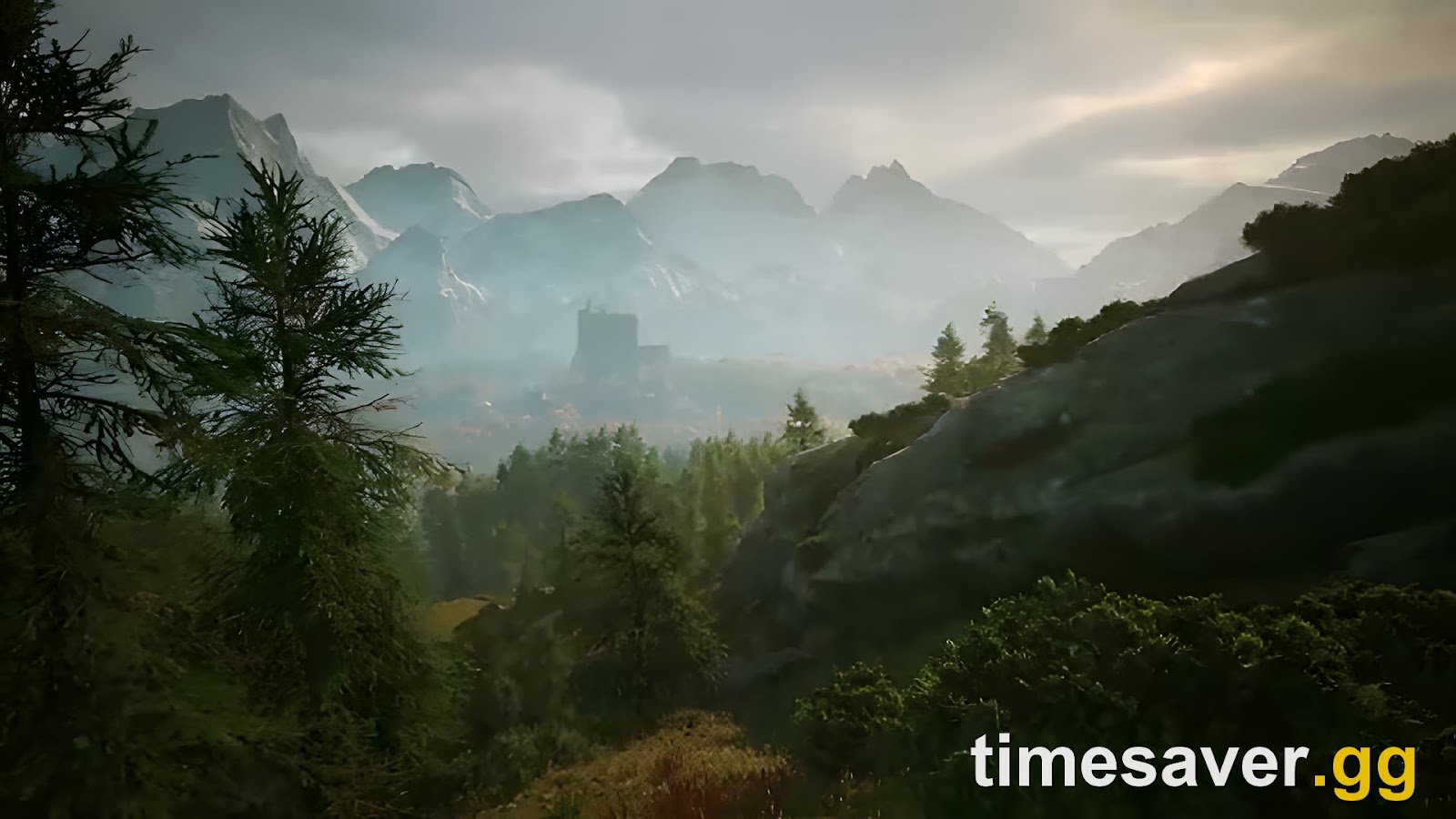
The headline feature of The Blood of Dawnwalker is what Rebel Wolves calls a "narrative sandbox." After a scripted prologue, you are dropped into the region of Vale Sangora with 30 days and 30 nights to grow strong enough to rescue Coen's family from the vampire lord Brencis — and the way that timer works is the single most important thing to internalize.
It is not a real-time countdown, and it is not a Majora's-Mask reset loop. Time only moves forward when you choose to advance it by taking meaningful story actions. Free-roaming, exploring, listening in on conversations and travelling the map cost you nothing. In Rebel Wolves' own words on the PlayStation Blog (July 7, 2026):
"As long as you are wandering, watching, listening, never intervening, the sun will stay high in the sky… To move time forward, you will have to choose."
The daylight period is divided into 8 parts, and the game tells you in advance how much time an action will cost. Game Informer's launch review (7/10, August 31, 2026) describes it concretely: "Rather than having an always-ticking clock, time is dictated by your actions… Digging a treasure buried underground can take one slot. Playing tag with your siblings or looking for missing scouts can take three slots."
The practical takeaway for a beginner: explore freely and greedily, but treat every quest action as a spend. You physically cannot complete every quest in one playthrough — that is by design, and it is why your early choices matter.
What should you prioritize in your first few hours?
Because time is a budget, your opening hours are about information, not completion. Reviewers who played the full game all landed on a similar rhythm:
- Scout before you commit. Because wandering is free, walk into a new area, talk to everyone, and read what a quest will cost you before you trigger it. The game surfaces the time cost up front — use it.
- Chase power, not checklists. Growing stronger — improving skills or forging alliances by helping people — is what ticks the clock toward the final fight. Spend your slots on the things that make Coen more capable or open new paths, not on busywork.
- Accept that you'll miss things. One Game Informer anecdote sums up the tone: the reviewer ran out of time before returning a stolen silver necklace to a grieving mother, and later "finding I still had the necklace in my inventory is surprisingly heartbreaking." Missed content is part of the story, not a failure state.
Which difficulty setting should you choose?
The Blood of Dawnwalker ships with four difficulty presets, confirmed by Rebel Wolves and listed by multiple launch reviews (GamingTrend, TechRadar, Method):
| Difficulty | Who it's for |
|---|---|
| Story | Players here for the narrative who want combat to stay out of the way |
| Fair | The standard/normal balanced experience |
| Challenging | A step up for players who want combat to bite |
| Duelist | The hardest preset — demanding, dueling-focused combat |
Crucially, difficulty is not just a health-and-damage slider. Per Kaburanai Games' breakdown of the gameplay reveal, the presets also "change how much time players have to read and react to enemy attacks." On top of the presets, you can customize individual values — enemy health, enemy damage, enemy aggressiveness, how tight the perfect-block window is, and even whether blocking is automatic (TechRadar, GamingTrend). You can change all of it at any time, so nothing is locked in at character creation.
Recommendation: if you mainly want the story and choices, Story or Fair is the right call. If you want the combat to actually test you, several reviewers pushed harder — Worthplaying's reviewer flatly advised, "If you're looking for a challenge, I'd recommend starting on Duelist," warning that on lower settings enough upgrading can "make Coen extremely powerful without engaging with the game's many combat systems." Eurogamer agreed Duelist is "doable… eventually." Start where you're comfortable; you can dial it up the moment it feels too soft.
How does combat actually work?
Combat is a directional dueling system, not a mash-attack brawler — and the reviews are unanimous that fighting the controls is the fastest way to have a bad time. You aim attacks and blocks in specific directions, and timing your blocks and parries matters. That directional layer carries over into night combat too.
Two things to know as a newcomer:
- There is an assist layer if you want it. GamingBible describes "omniattacks and omniblocks," triggered simply by pressing L1 or R1 without any directional input; they randomize direction for you but "drain Coen's stamina quicker." They are a fine crutch early on. But the same review recommends persevering with the manual directional system, because "the further you build out Coen's move set, the more satisfying it is."
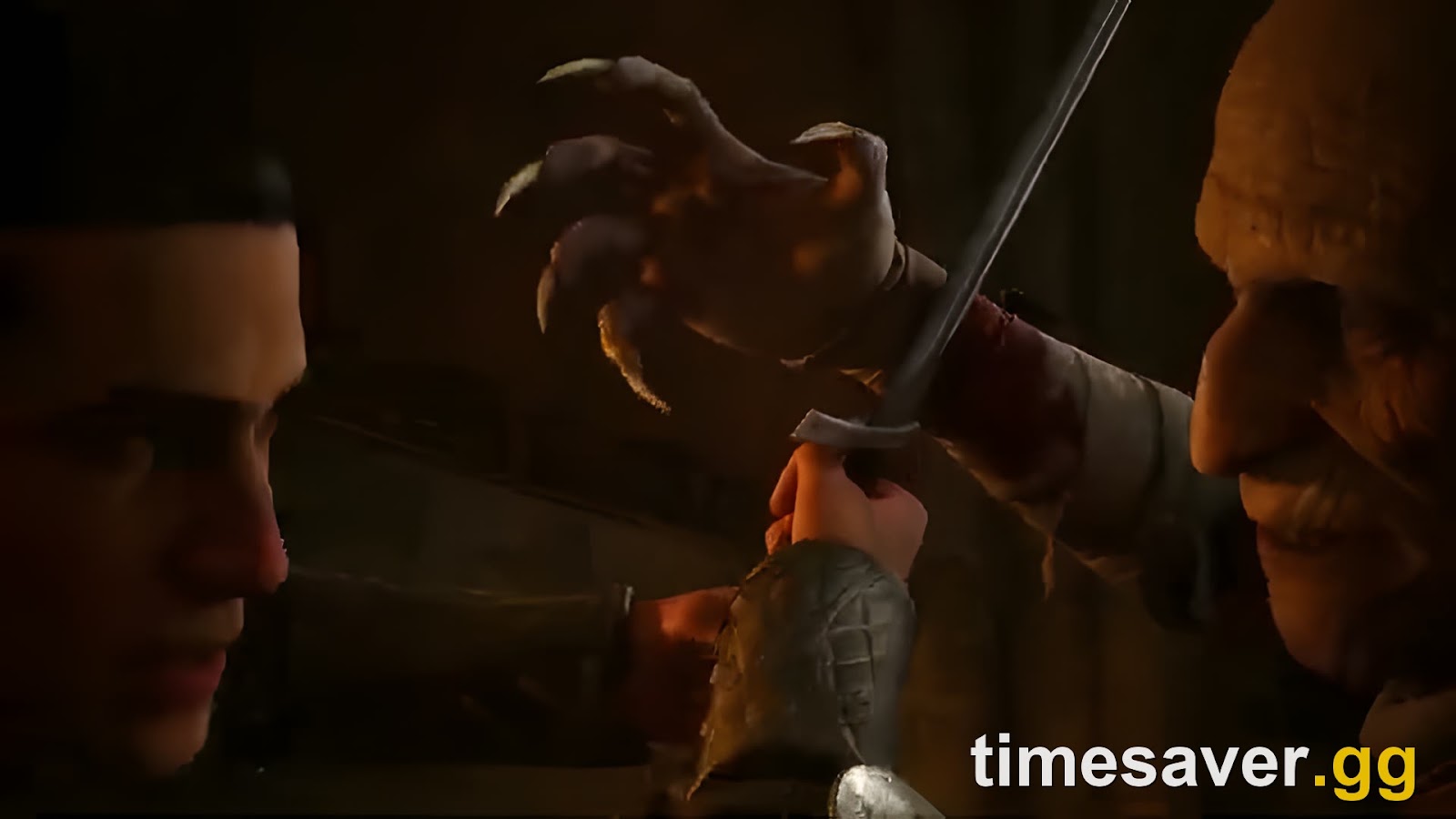
- Your sword is your workhorse; vampire claws are situational. As The Big Lead notes, you can use your sword at any time, while the vampire claws are gated to night. Lean on the sword while you learn, and add the night tools as you go.
Combat drew the most mixed reactions in reviews — Game Informer called it "conceptually novel combat that falls short in practice" — so if it feels stiff at first, that's the design, not you. Set the combat sliders to taste and focus on positioning and timing over speed.

How do day and night change what you can do?
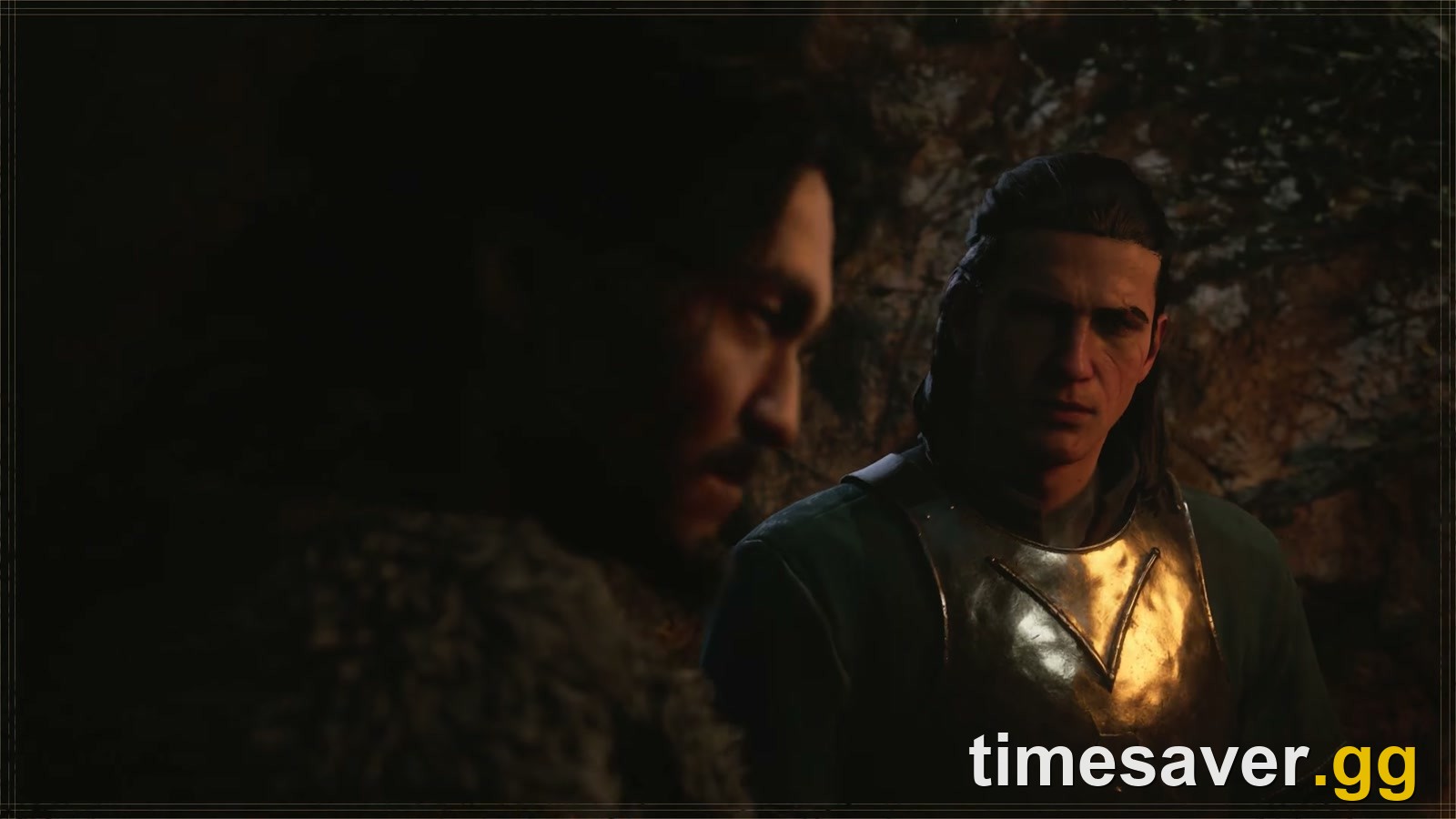
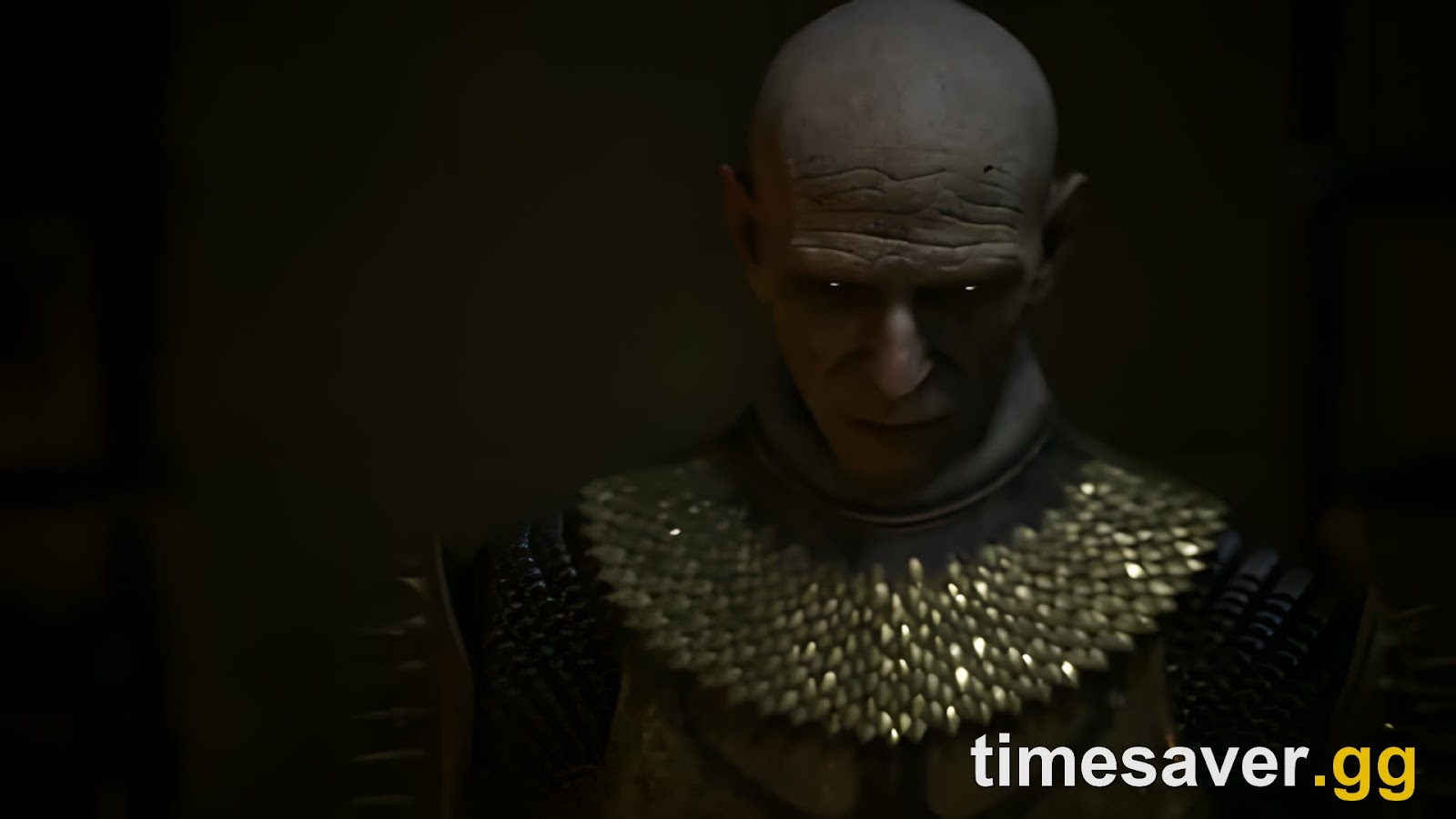
Coen is a Dawnwalker — as the publisher puts it, "no longer human, but not fully a vampire." The developers describe him as having "all the power and ferocity of a vampire, but all the feelings and connections of a human," and note that sunlight "does not burn you." Practically, this means the two halves of the cycle open different options:
- By day, Coen moves through society as a man — talking to townsfolk, taking human-facing quests, and trading in the open. NPCs and the world respond to him as human.
- By night, his vampiric powers come online. This is when the darker tools, abilities and encounters are in play.
You have both day and night "slots" to spend, so a big part of the strategy is deciding which tasks belong to which half of the cycle. Don't burn a night slot on something you could have done in daylight, and vice versa. The night is where the fantasy-power ceiling is highest, but daylight is where a lot of the human story lives.
Does the game respect your choices?
Yes — and this is where it most earns the Rebel Wolves pedigree. This is a choices-and-consequences RPG with branching quests that can be tackled in almost any order, skipped, or never found at all. There is no single linear "main mission" list to grind down; the story bends around what you decide to spend time on.
For a beginner, that has one concrete implication: there is no wrong order, but there is a real cost to indecision. Because every meaningful action spends part of your 30-day budget, dithering is itself a choice. Commit to a thread, see it through, and let the ripple effects land.
How long is it, and do you need to rush?
You do not need to speed-run. Rebel Wolves' own internal testing put a full playthrough at roughly 50–70 hours — CEO and game director Konrad Tomaszkiewicz told Shacknews that studio staff "took them between 50–70 hours to finish the game." Reviewers who focused on the critical path finished the main thread faster, in roughly 15–18 hours (Insider Gaming). Both numbers are true: it's a time-budget game, so how long your run takes depends on how much you explore, upgrade and chase side content.
The 30-day timer applies within a single playthrough, not to your real-world calendar — you can put the controller down whenever you like. And because you'll inevitably miss content, the game has real replay value: a second run down different threads shows you a meaningfully different slice of Vale Sangora.
What beginner mistakes should you avoid?
A quick checklist drawn from launch reviews and the developer's own explanations:
- Don't treat it like a completionist checklist. You can't 100% it in one go. Trying to will just waste time slots you needed for power growth.
- Don't mash attack. The directional combat punishes it. Use omniattacks/omniblocks as training wheels, then graduate to manual aiming.
- Don't ignore the time cost prompt. The game tells you what an action will cost before you commit — read it every time.
- Don't lock yourself to one difficulty out of pride. You can retune combat sliders mid-game; there's no penalty for making a grindy fight fair.
- Don't expect a live-service game. There's no currency to farm, no shop to grind, no multiplayer. It's a self-contained, buy-once story.
FAQ
Is The Blood of Dawnwalker good for beginners to the genre? Yes, if you lean on the accessibility options. The Story difficulty and the custom combat sliders (auto-block, softer enemies) let newcomers focus on the narrative, and subtitles are available in 14 languages (TechRadar). The systems are unusual, but the difficulty is highly adjustable.
Do I have to worry about the 30-day timer running out and failing me? Not in the way you'd fear. Time only advances when you take meaningful story actions — "as long as you are wandering, watching, listening, never intervening, the sun will stay high in the sky" (PlayStation Blog). It's a budget that shapes which content you see, not a countdown that ends your game if you dawdle in the open world.
Which difficulty should I pick for my first playthrough? Start on Fair for a balanced run, or Story if you're here purely for the plot. If you want combat to genuinely test you, one reviewer recommended jumping straight to Duelist (Worthplaying). You can change the preset and the individual combat sliders at any time, so nothing is permanent.
Can I use vampire powers whenever I want? No — the vampire claws and darker abilities are gated to night, while your sword works at any time (The Big Lead). Coen is human by day and vampiric by night, and part of the strategy is choosing which tasks to do in which half of the cycle.
Is there any multiplayer or co-op to worry about? No. The Blood of Dawnwalker is single-player only, offline-enabled, with no co-op, PvP, microtransactions or in-game currency. It's a premium, buy-once RPG.
How long will my first playthrough take? Expect anywhere from about 15–18 hours if you rush the main thread to 50–70 hours for a fuller run, per Rebel Wolves' own testing and launch reviews. Because you can't do everything in 30 days, exact length depends entirely on how much you explore and upgrade.
More Blood of Dawnwalker guides
For deeper dives into the systems mentioned above, keep reading:
Explore the rest of our launch coverage:
- The Blood of Dawnwalker time system, day/night and the 30-day sandbox explained
- The Blood of Dawnwalker review round-up: Metacritic score and what critics say