The Blood of Dawnwalker launches on September 3, 2026, and the single feature Rebel Wolves keeps putting front and center isn't the combat or the vampire fantasy — it's time. The studio calls the game a "narrative sandbox," and the mechanic underneath that phrase is a 30-day, 30-night structure where the clock only moves when you decide to move it. It's the most misunderstood thing about the game right now, so here's exactly how it works, sourced entirely to the developers' own words. (Blood Of The Dawnwalker) How you spend those days and nights shapes which Blood of Dawnwalker build suits your playstyle — Vampire, Sword, or a Hybrid that uses both.
Because the game isn't out yet, none of this is tested-in-your-hands play. Everything below comes from Rebel Wolves interviews and the developer-authored PlayStation Blog deep dives, and is flagged as a pre-release description — not a reviewer's hands-on. Here's what's actually confirmed as of August 18, 2026.
Quick answer (as of August 18, 2026): In The Blood of Dawnwalker, after the prologue you have 30 days and 30 nights to save Coen's family. Time works like a currency, not a real-time countdown: only major, plot-relevant actions advance the clock, and the game tells you the cost of an action before you commit. Free-roaming — exploring, watching, talking, travelling — costs nothing, so "the sun will stay high in the sky" as long as you never intervene. Between dawn and sunset, the day is divided into 8 parts. Coen is a Dawnwalker — human by day, with vampire powers unlocked, and crucially the sunlight does not burn him. There is no fixed linear main quest, so no two playthroughs spend those 30 days the same way. It is not a Majora's Mask-style hard reset loop.
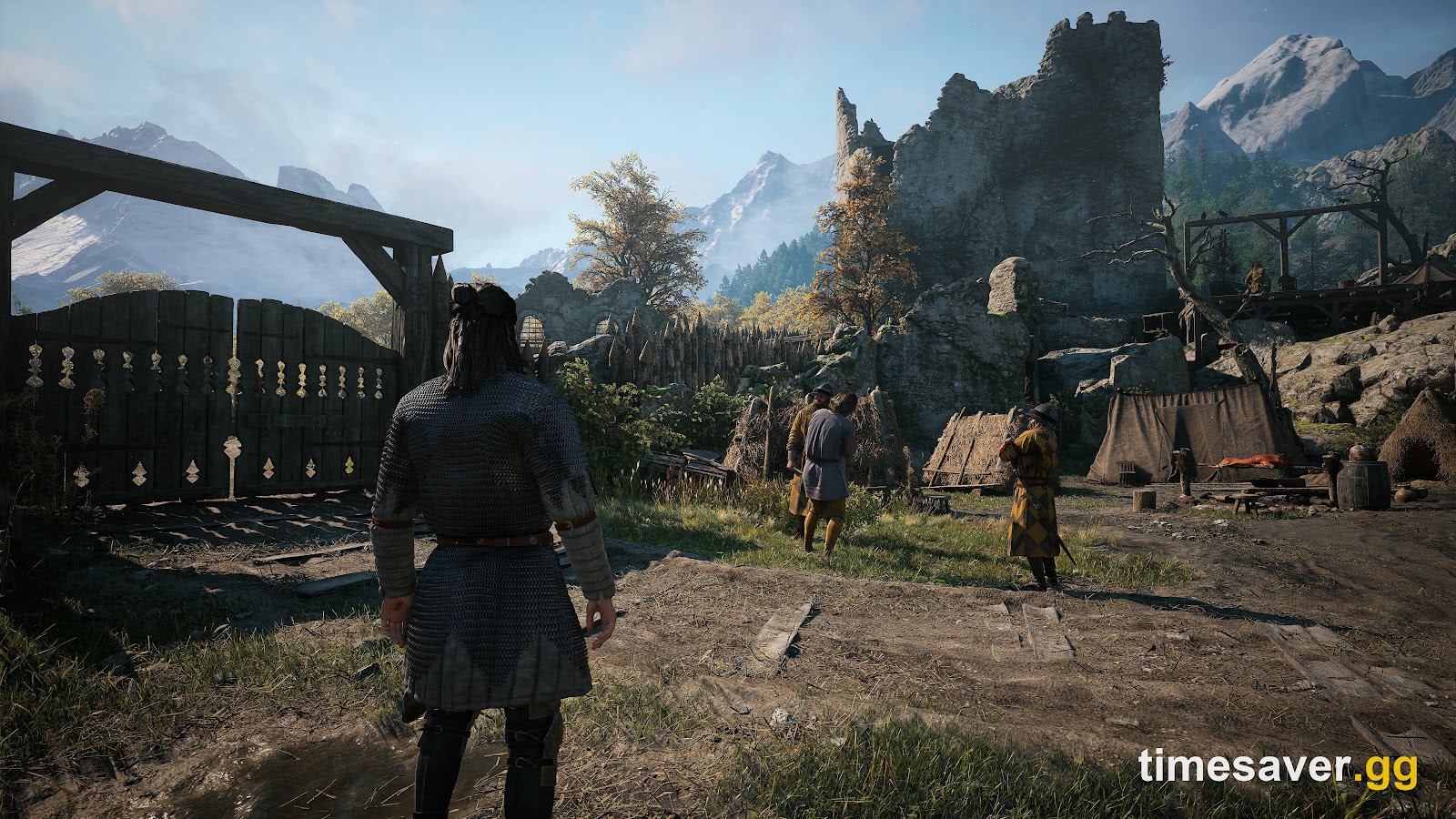
What is the "narrative sandbox" in The Blood of Dawnwalker?
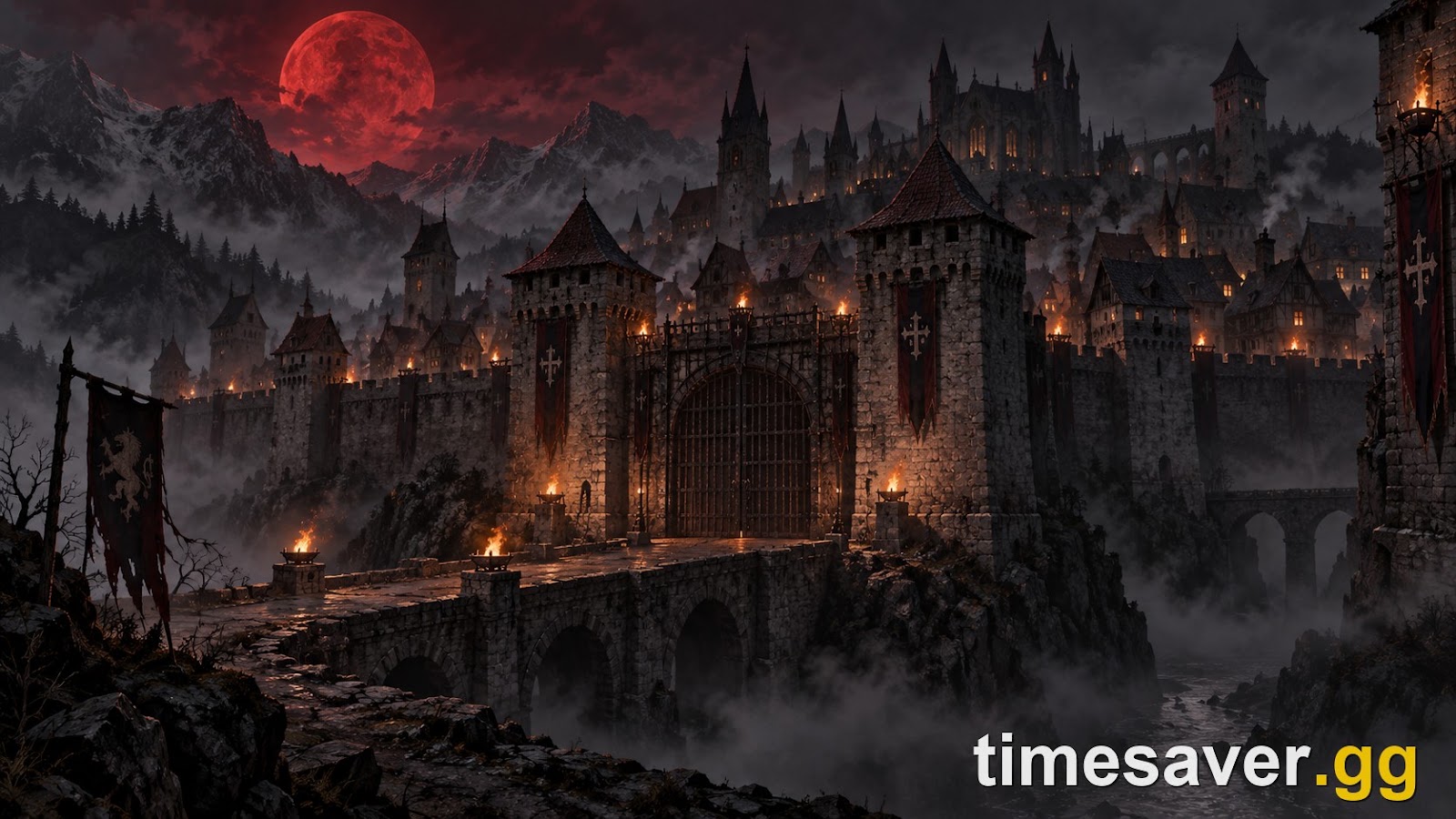
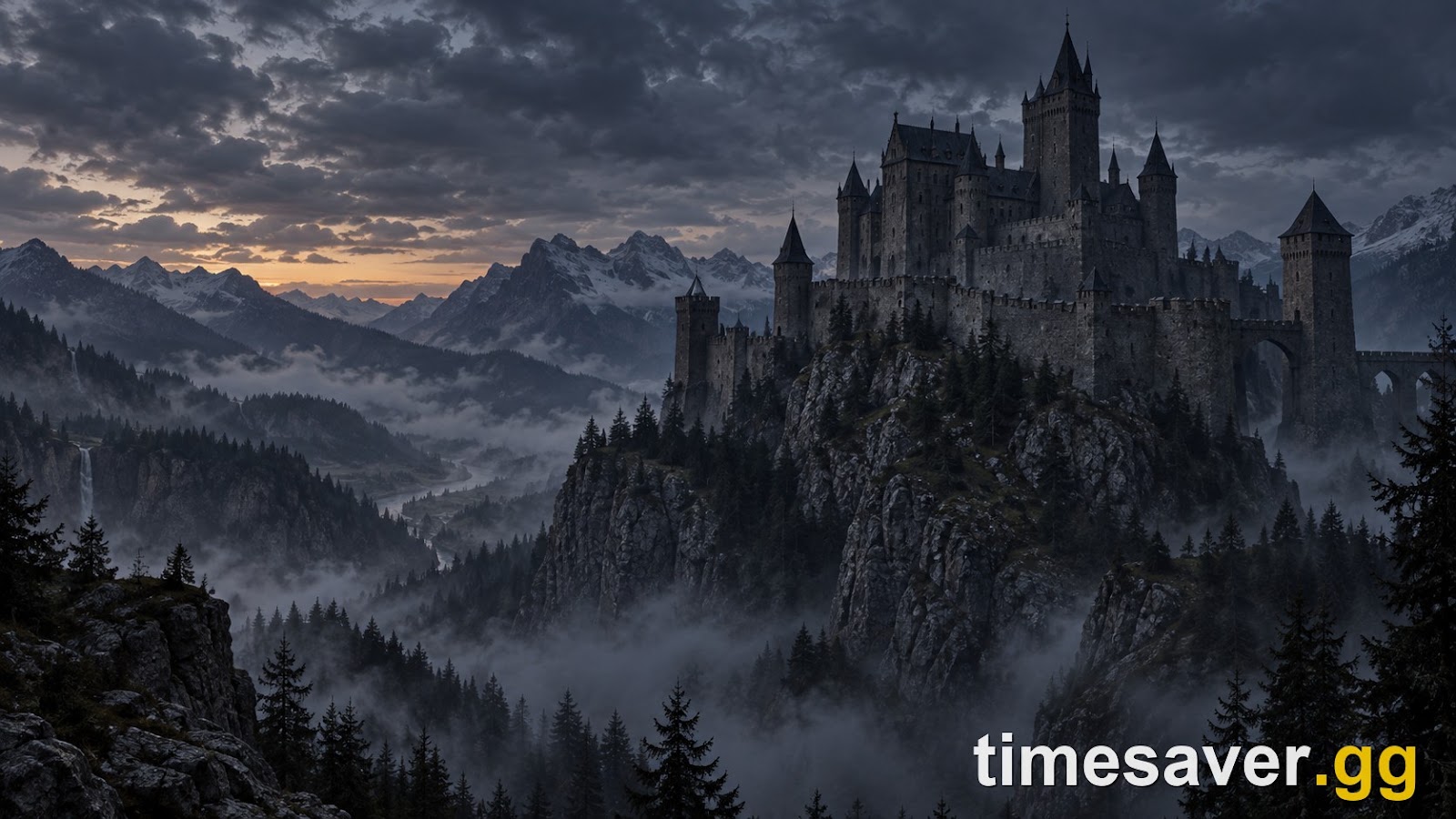
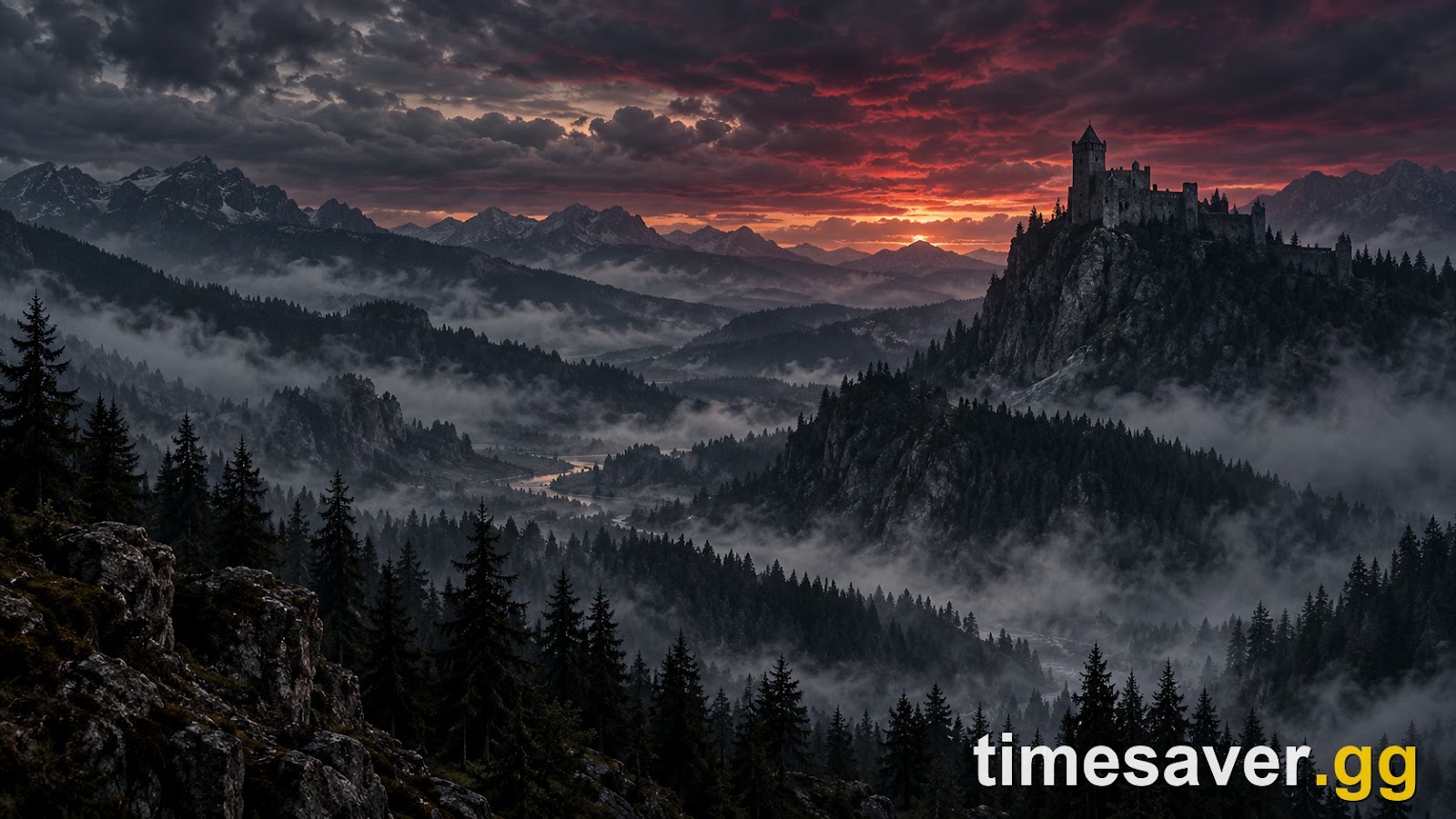
"Narrative sandbox" is Rebel Wolves' own term for how the whole game is built. Instead of a linear sequence of story missions you complete in order, the game drops you into Vale Sangora — a fictional 14th-century region in the Carpathian Mountains — and lets you decide what to pursue, in what order, and what to ignore entirely.
The developer-authored PlayStation Blog laid out the core loop back on August 20, 2025:
"One of the key mechanics is what we call the 'narrative sandbox.' Once the prologue concludes, you have 30 days and nights to rescue Coen's family from Brencis, a centuries-old vampire and former Roman senator, and his inner circle. Only major actions move the clock forward, and you're always informed how much time an activity will consume." — PlayStation Blog (Rebel Wolves), August 20, 2025
Two things fall out of that. First, there is no conventional main-quest checklist — quests can be done in any order, skipped, or never even found. Second, the game is transparent about cost: you're told what an action will "spend" before you agree to it, so the time system is a planning tool, not a gotcha. That transparency is the whole point — it turns every day into a series of deliberate trade-offs rather than a race against a hidden timer.
How does the 30-day time system actually work?
Here's the part people get wrong. The 30 days and 30 nights are not a real-time clock ticking down while you play. Time is a resource you spend by choosing to act. The most vivid description comes from the PlayStation Blog's July 7, 2026 deep dive into the game's prologue, written by the studio itself:
"As long as you are wandering, watching, listening, never intervening, the sun will stay high in the sky. The Blood Mass will not arrive. The day will never turn to night. To move time forward, you will have to choose." — PlayStation Blog (Rebel Wolves), July 7, 2026
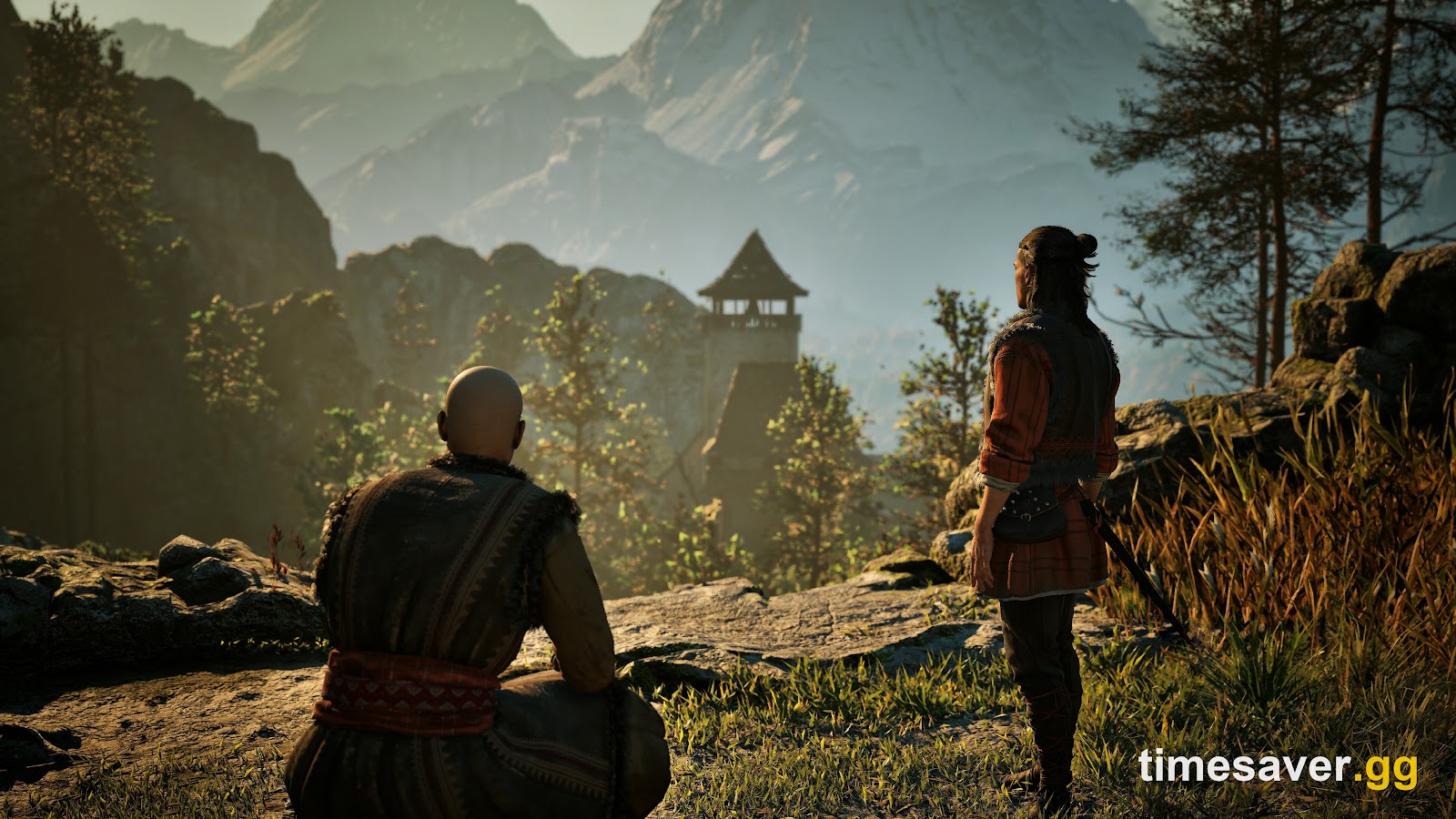
So the loop is: explore freely for as long as you like at zero time cost, and when you commit to a major, plot-relevant action — helping a villager, resolving a quest, confronting someone — the clock advances by a stated amount. In the prologue, the studio frames it as a genuine dilemma: you could spend most of a day reading Latin with the herbalist Anca, or hunt for a missing neighbor, or search for a stolen tapestry, "but you may not be able to do it all." Helping one person can mean giving up the time to help someone else.
That's the design intent in one sentence: the game is about what you choose to spend your limited days on, not how fast you press buttons.
Are some events locked to the clock?
Yes — and this is an important nuance. Not everything bends to your schedule. The studio is explicit that "some events have their own tides that cannot be resisted." In the prologue, once the sun sets, the Blood Mass happens no matter what you did during the day; there's no combination of actions that stops it. So the system blends player-driven time (the actions you choose to spend) with a handful of fixed story beats that arrive on their own. That mix is what keeps 30 days feeling like a story rather than a stopwatch.
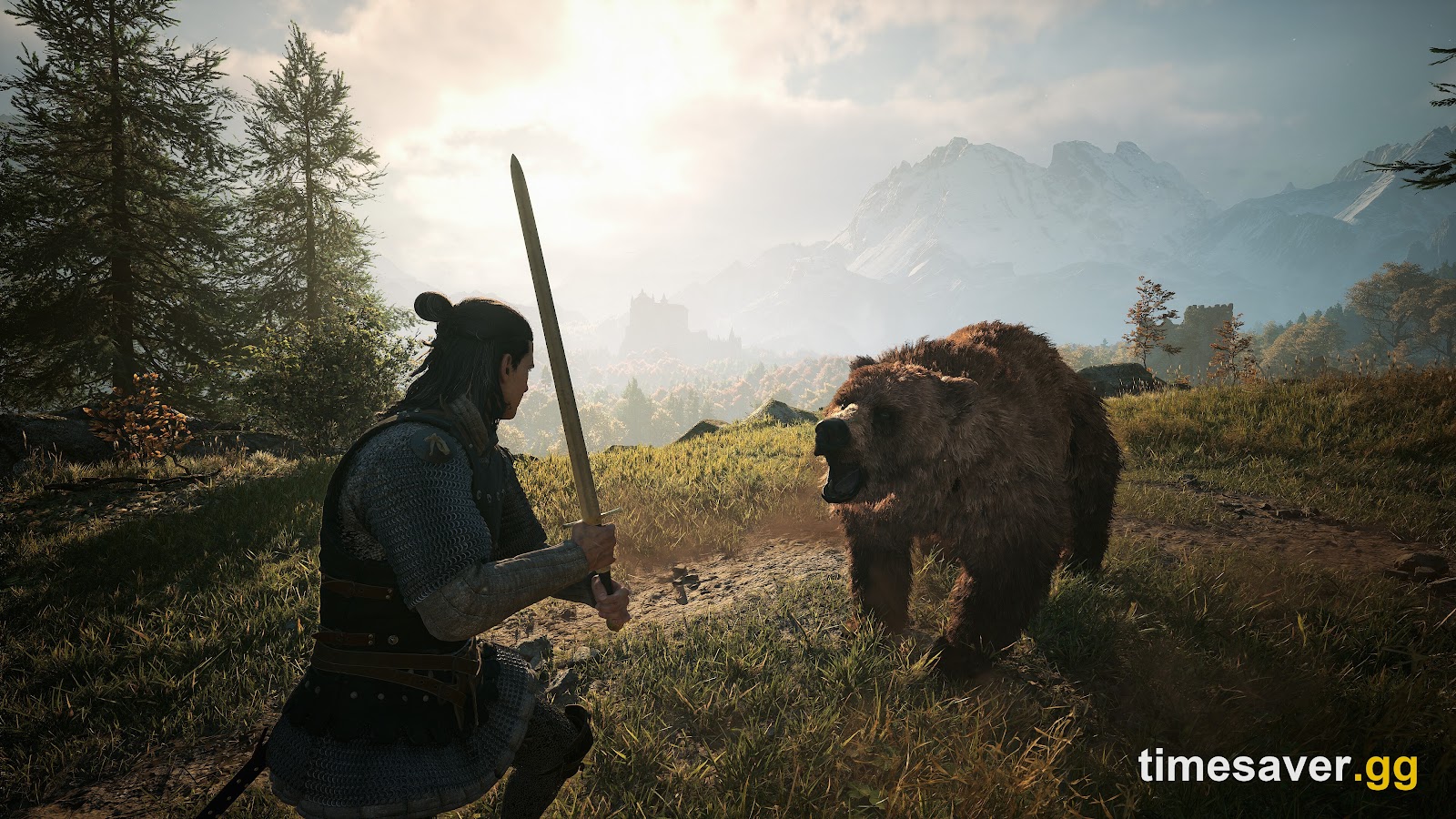
How is a day divided in The Blood of Dawnwalker?
Per the PlayStation Blog's July 2026 walkthrough of the prologue, between dawn and sunset the day is divided into 8 parts. In that opening scenario, you have those 8 daytime segments to find a solution before the vampires arrive at nightfall. Previews of hands-on demos describe an on-screen interface showing those segments with clear indicators for how much time a given task will consume — matching the studio's promise that you always know the cost up front.
One honest caveat: the developers have detailed the daytime structure (the 8 parts between dawn and sunset), but as of August 18, 2026 they have not publicly spelled out whether the night subdivides in the same way. Some outlets have reported "each day and each night is divided into 8 units," but that goes further than the official PlayStation Blog wording, which only confirms the daytime split. Treat the "8 parts" as confirmed for the day and the night's exact structure as still unconfirmed until launch.
The day/night vampire mechanic: what "Dawnwalker" actually means
The game's identity hangs on its title. Coen isn't a standard vampire and isn't fully human either — he's a Dawnwalker, which Bandai Namco describes as "no longer human, but not fully a vampire." The defining twist: the sun does not burn him.
In the prologue, Coen is turned during a catastrophic night — he wakes "with a strange new hunger," no longer fully human. But as the sun rises, the studio writes, "the light of the sun does not burn you, sear your flesh." That's the crux of the fantasy, in Rebel Wolves' words: Coen has "all the power and ferocity of a vampire, but all the feelings and connections of a human."
Practically, that means the classic day/night split of vampire fiction becomes a gameplay dial rather than a hard restriction. You have your human life and connections in daylight and vampiric power available to you — you're not forced to hide from the sun the way a traditional vampire would be. Exactly how power and abilities gate between day and night is a gameplay detail Rebel Wolves hasn't fully broken down yet (as of August 2026), so anyone telling you the precise day-vs-night ability rules right now is guessing. What's confirmed is the framing: human by day, vampire's power at your disposal, sunlight no longer a death sentence.
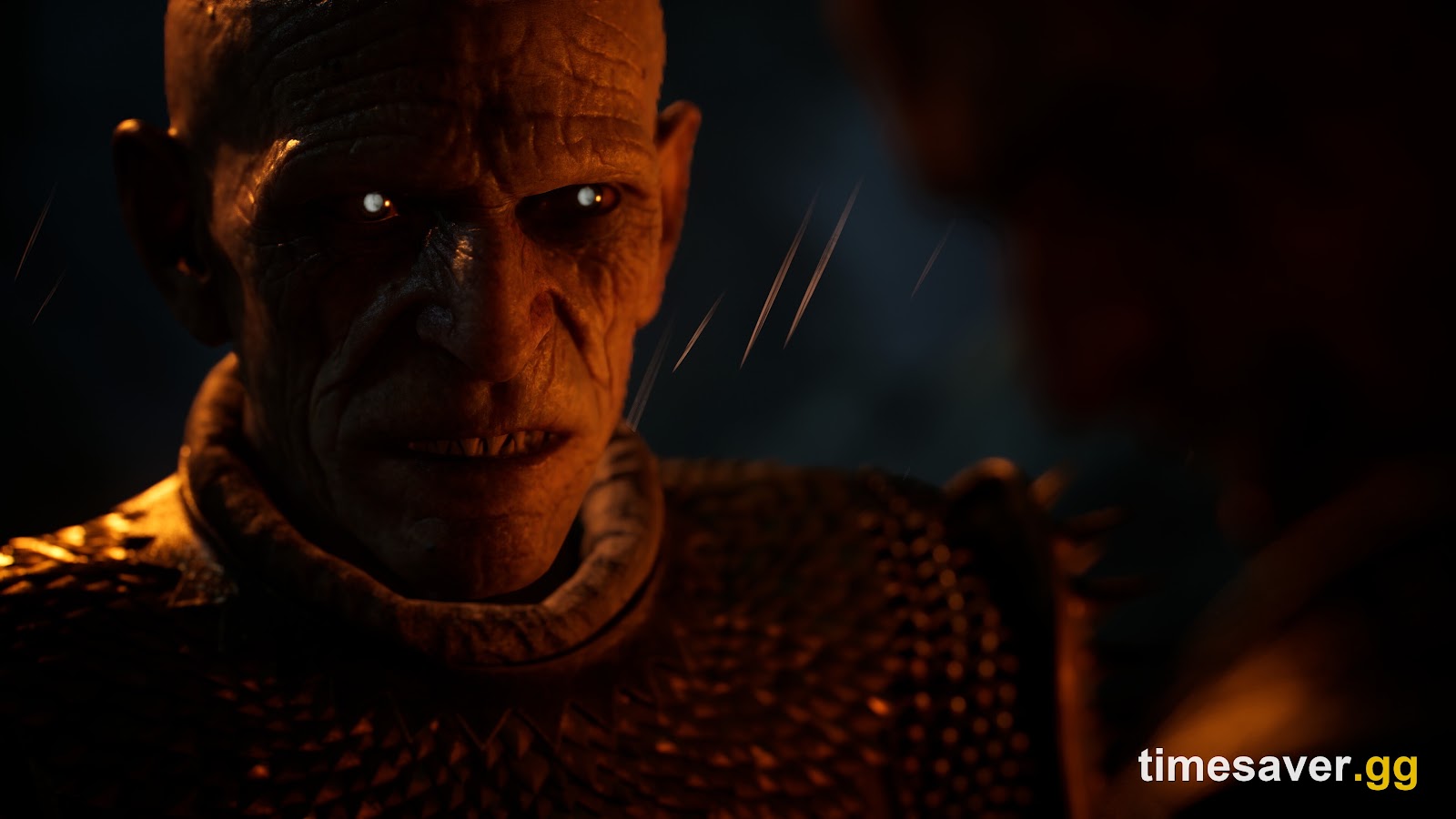
What spends time vs. what's free?
Based on the developers' descriptions of the prologue, here's the confirmed shape of the system. Note this is drawn from official pre-release material, not from a full retail build:
| Action type | Advances the clock? | Notes (per Rebel Wolves / PlayStation Blog) |
|---|---|---|
| Wandering, exploring, travelling | No | "The sun will stay high in the sky" as long as you never intervene |
| Watching, listening, observing NPCs | No | Pure information-gathering is free |
| Committing to a major / plot-relevant action | Yes | You're told the exact time cost before you commit |
| Resolving or advancing a quest | Yes | Quests can be done in any order — or skipped entirely |
| Fixed story beats (e.g. the prologue's Blood Mass) | On their own | "Some events have their own tides that cannot be resisted" |
The takeaway for planning: you can scout as much as you want for free, then spend your limited "action budget" on the threads that matter most to you. With roughly 50–70 hours of content per Rebel Wolves' internal playtests and no set path through it, that budgeting is the core skill the game is asking you to learn.
Is The Blood of Dawnwalker's time system a countdown you can fail?
This is the most common misconception, so it's worth stating plainly. No, it is not a real-time countdown, and it is not a Majora's Mask-style loop that resets you to the start. The 30 days aren't draining while you stand still; they only move when you choose to act. There's no evidence of a hard "time's up, game over" reset in the way those comparisons imply. Rebel Wolves has deliberately framed time as something you budget and spend, closer to an in-game currency than a doomsday clock.
That said, because the clock advances on your choices and some events are fixed, the 30-day limit is a real constraint — you genuinely can't do everything, and the story reacts to how you spent your days. It's pressure without a stopwatch. If you want the fuller picture on how long a playthrough runs and how difficulty factors in, see our companion guide on how long The Blood of Dawnwalker takes to beat.
Who made this, and why the time system matters
The Blood of Dawnwalker is the debut game from Rebel Wolves, a Warsaw studio founded in 2022 by veterans of The Witcher 3 and Cyberpunk 2077 — including Witcher 3 game director Konrad Tomaszkiewicz — and published by Bandai Namco Entertainment. It's worth being precise here: this is a studio founded by ex-CD Projekt Red developers, not "the Witcher 3 team," and the game is its own thing, not a Witcher sequel. The narrative sandbox is their pitch for what an open-world RPG can be when the story is genuinely in your hands rather than gated behind a mission list.
For the practical launch details — dates, platforms, editions and pricing — see our release date, platforms and editions guide, and if you're on PC, check whether your rig clears the bar in our full system requirements breakdown.
FAQ
Is the time system in The Blood of Dawnwalker a real-time countdown? No. As of August 2026, Rebel Wolves has described time as a resource you spend by choosing to act, not a clock that drains while you play. Only major, plot-relevant actions advance the clock; wandering, watching and travelling cost nothing. The developers put it as: "as long as you are wandering, watching, listening, never intervening, the sun will stay high in the sky."
How many days do you get? After the prologue, you have 30 days and 30 nights to rescue Coen's family from the vampire Brencis. That's the window the entire narrative sandbox plays out in.
How is a day divided? Between dawn and sunset, the day is divided into 8 parts, per the PlayStation Blog's July 2026 prologue walkthrough. Whether the night subdivides the same way hasn't been officially confirmed as of August 2026.
Can you run out of time and get a game over? There's no confirmed hard "time's up" fail-and-reset. The 30-day limit is a real constraint — some events happen on their own and you can't do everything — but the game is built around consequences of how you spent your days, not a Majora's Mask-style loop.
What does "Dawnwalker" mean? Coen is a Dawnwalker: "no longer human, but not fully a vampire," in Bandai Namco's words. He has a vampire's power but keeps a human's connections, and — the key detail — the sun doesn't burn him, so he isn't confined to the night.
Is this The Witcher 3 with vampires? No. It's the debut game from Rebel Wolves, a studio founded by Witcher 3 and Cyberpunk 2077 veterans (including Witcher 3 game director Konrad Tomaszkiewicz), published by Bandai Namco. The pedigree is the people, not the franchise — it's an original dark-fantasy RPG, not a Witcher game.
| When does it release? The Blood of Dawnwalker launches September 3, 2026 on PlayStation 5, Xbox Series X | S and PC. |
|---|
More Blood of Dawnwalker guides
Everything we've verified about Rebel Wolves' dark-fantasy RPG ahead of its September 3, 2026 launch:
- How long is The Blood of Dawnwalker? Playtime & story length
- Release date, platforms & editions: everything we know
- Full PC system requirements & can you run it
All gameplay details above are sourced to Rebel Wolves and the developer-authored PlayStation Blog and reflect pre-release information as of August 18, 2026. Mechanics may change at or after launch; we'll update this guide once the game is out.