The Blood of Dawnwalker launches on September 3, 2026, and one of the most-searched questions ahead of release is simple: how long is it? The answer the developers keep giving is 50 to 70 hours for a full playthrough — but that range hides something more interesting than a single number. This game's whole structure is built around time, so "how long to beat it" depends heavily on how you choose to spend it.
Because the game isn't out yet, there is no HowLongToBeat data to lean on. Everything below is sourced to Rebel Wolves' own interviews and the developer-authored PlayStation Blog deep dive, and is flagged as a pre-release estimate — not a measured completion time. Here's what we actually know as of August 17, 2026.
Quick answer (as of August 17, 2026): Rebel Wolves estimates a full playthrough of The Blood of Dawnwalker takes roughly 50–70 hours, with an average around 50 hours — a figure game director Konrad Tomaszkiewicz drew from internal studio playtests. Your exact time swings on difficulty (there are four difficulty levels), how much you explore Vale Sangora, and how you spend the game's 30 days and 30 nights, in which time is a resource you spend on major choices, not a real-time countdown. There is no fixed linear main quest, so no two playthroughs run the same length. Real HowLongToBeat completion data won't exist until launch on September 3, 2026.
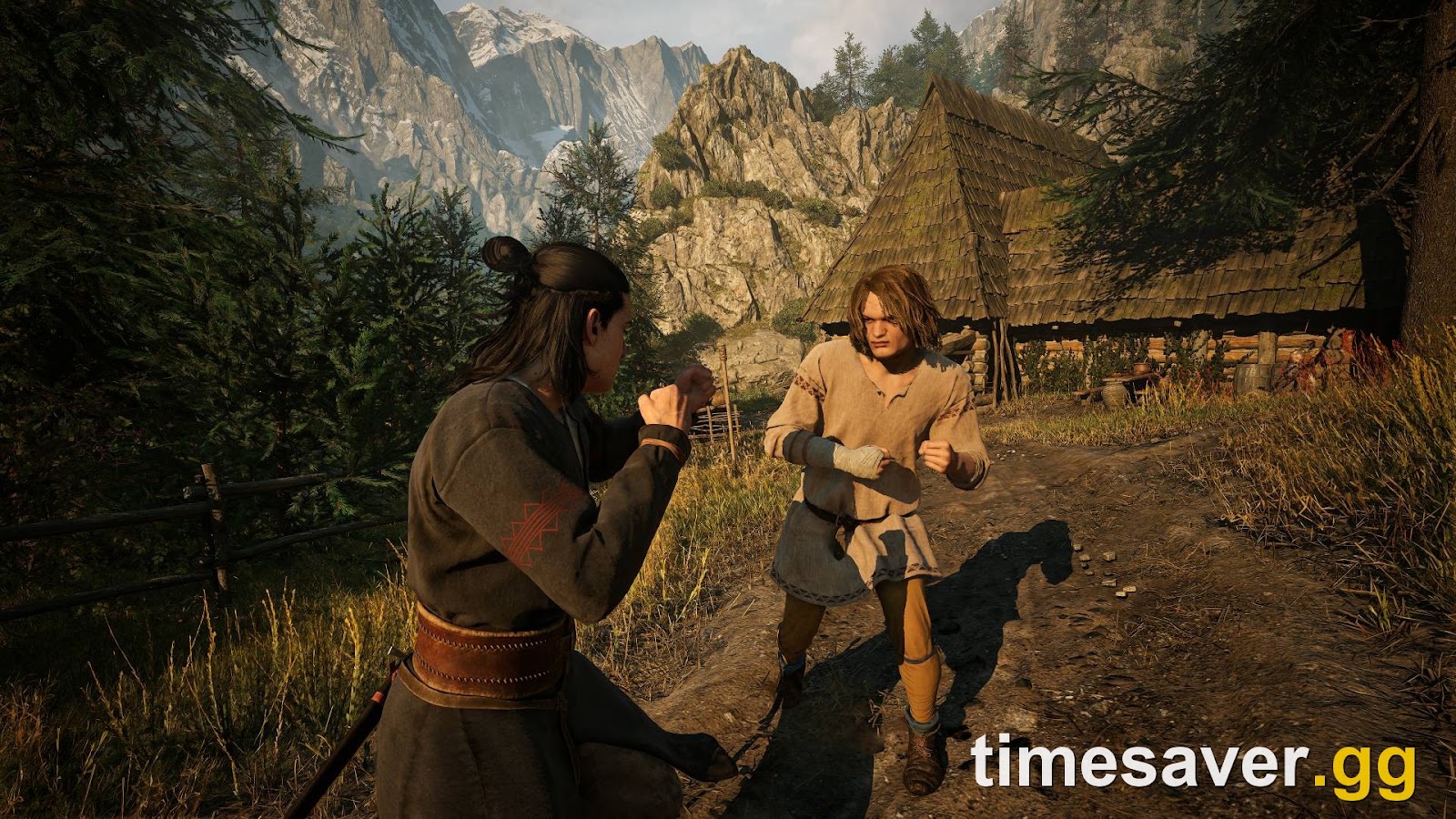
How long does The Blood of Dawnwalker take to beat?
The headline estimate from Rebel Wolves is 50 to 70 hours for a complete playthrough. That number comes straight from the studio's own testing. Speaking to Shacknews in an interview published in July 2026, game director and studio CEO Konrad Tomaszkiewicz put it plainly:
"When we're looking for people to play in the studio, like our studio head or guys from marketing, and so on, it took them between 50–70 hours to finish the game." — Konrad Tomaszkiewicz, Rebel Wolves (Shacknews, July 2026)
Back in April 2026, when the studio first shared playtime expectations, the framing was that around 50 hours is the average, with the number climbing toward 70 the more you engage. As Rebel Wolves described it via GameReactor: "the average is around 50 hours, but it depends on which difficulty level you play, how picky you are, how much you explore, and how much you upgrade your gear."
Here's how those developer estimates break down, all as pre-release figures:
| Play style | Estimated time | Source basis (pre-release) |
|---|---|---|
| Focused run (lower difficulty, less exploring) | ~50 hours | Rebel Wolves "average is around 50 hours" |
| Typical full playthrough | 50–70 hours | Tomaszkiewicz, internal studio playtests |
| Thorough / higher difficulty / heavy exploration | ~70 hours | Rebel Wolves, upper end of the range |
A couple of important caveats before you treat any of this as gospel. First, these are developer estimates from internal playtesters, not verified completion times from the public — there is genuinely no measured data yet. Second, the studio has said its scope grew during development: what began as a more modest target expanded into this 50–70 hour range as the world and quest web filled out. Expect these numbers to firm up — or shift — once players get their hands on the game on September 3.
Why isn't the length fixed? The 30-day "narrative sandbox" explained
Most RPGs have a rough completion time because they have a fixed main quest you follow from start to finish. The Blood of Dawnwalker deliberately doesn't. Rebel Wolves calls its structure a "narrative sandbox," and it's the single biggest reason your playtime can swing by 20 hours.
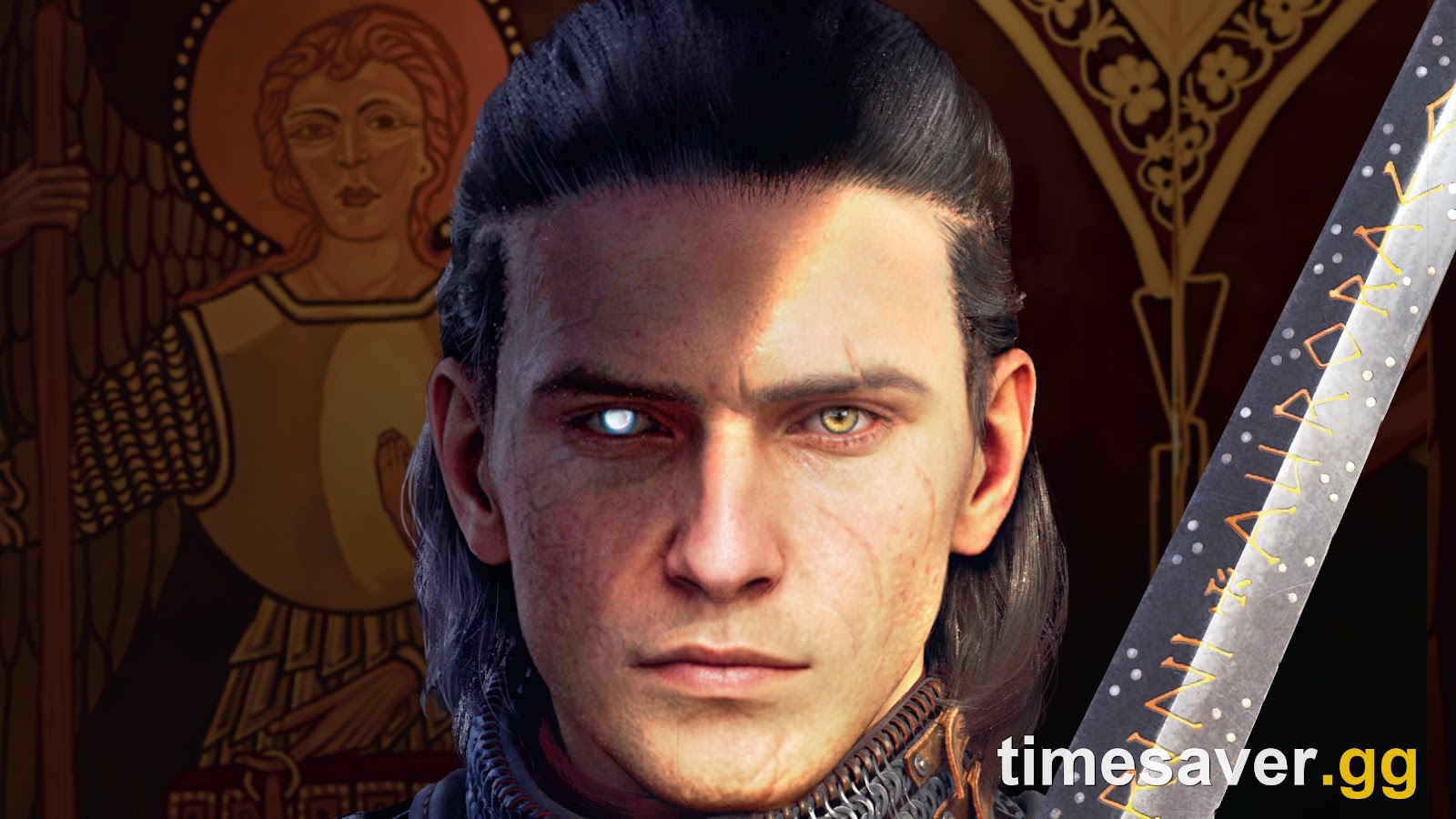
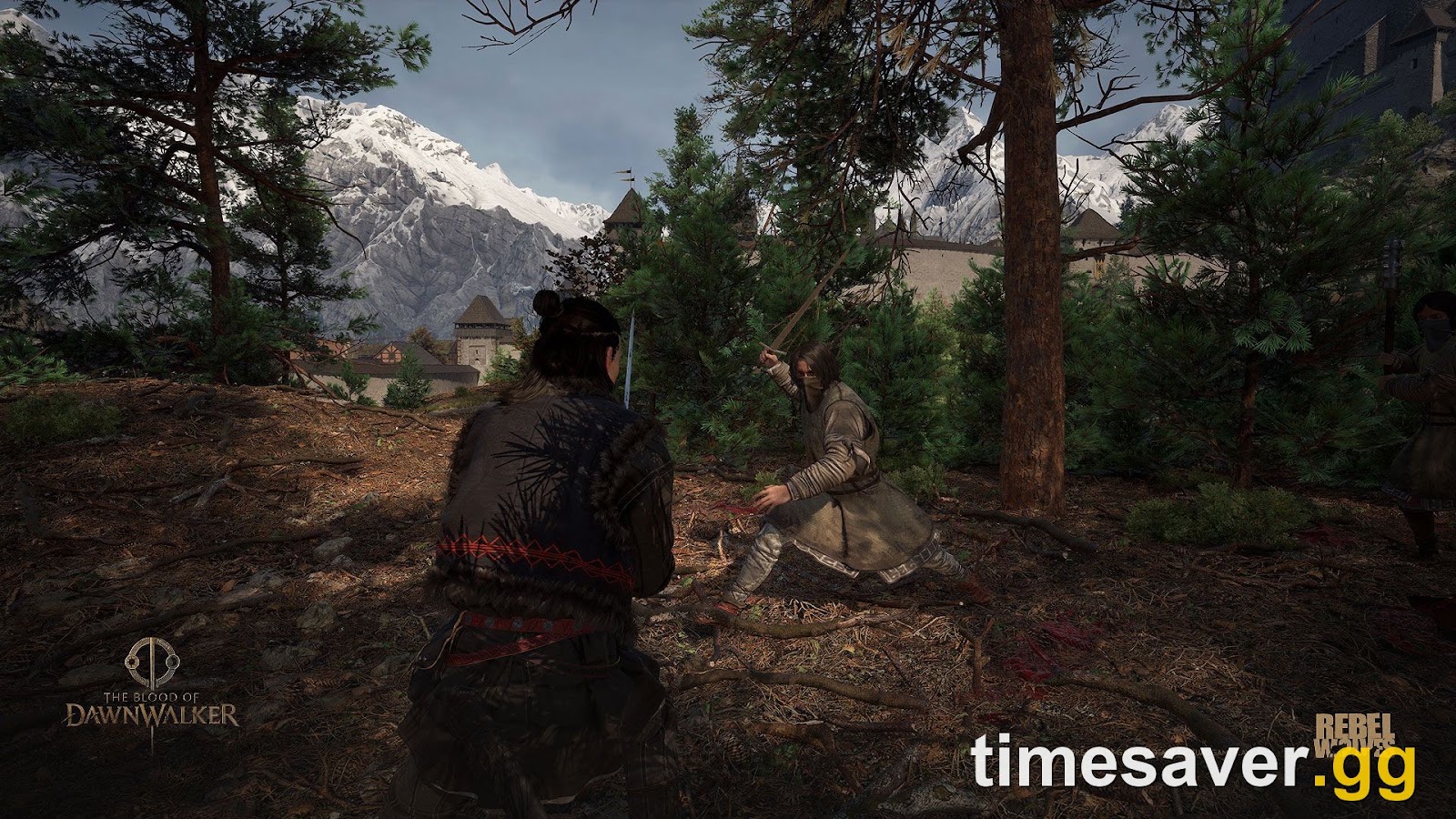
Here's the setup, as described by the developers ahead of launch. You play Coen, a Dawnwalker — "no longer human, but not fully a vampire," in the publisher's words — hunting for his family in the plague-stricken 14th-century region of Vale Sangora, deep in the Carpathian Mountains. After the prologue, the game hands you a budget: 30 days and 30 nights to do it.
The crucial detail, and the one almost every quick summary gets wrong, is that this is not a real-time countdown. Time is a currency you spend, not a clock ticking against you. Per the PlayStation Blog's developer deep dive (July 2026):
"As long as you are wandering, watching, listening, never intervening, the sun will stay high in the sky… To move time forward, you will have to choose." — PlayStation Blog, developer feature (July 2026)
In other words: exploring the map, observing the world, talking, and travelling don't burn your days. Only major, plot-relevant actions advance the clock — and the game tells you in advance how much time each of those choices will cost. The daylight stretch is divided into eight parts, according to the same PlayStation Blog feature, giving the passage of time real texture rather than an abstract meter.
Because of all this, there is no single "main story" you march through. Quests can be tackled in any order, done partially, skipped entirely, or never even discovered. Two players can both "beat" the game having seen wildly different slices of it — and having spent very different amounts of real-world time getting there. That flexibility is exactly why a fixed hour count doesn't really apply.
To be clear about what this system is not: it is not a Majora's Mask-style loop that resets you to the start, and it is not a punishing real-time timer. It's a resource-management layer over an open RPG. Treat "30 days" as a budget for your big decisions, not a stopwatch.
What actually makes the clock tick — and how does day and night factor in?
Coen's dual nature is woven into the same system. He's human by day and vampiric by night, and the developers have framed this as a genuine gameplay split rather than a cosmetic one: sunlight doesn't burn him, so daytime is for the human side of the story — social connections, investigation, the world at large — while night unlocks the "power and ferocity of a vampire."
Since major story beats are what push time forward, the practical effect is that how you sequence your days and nights shapes both your build and your pace. A player who leans into vampiric nighttime power will experience a different rhythm — and potentially a different length of game — than one who spends more time on daytime pursuits. As of August 2026, the exact rules for which specific actions cost time (and whether the night is segmented like the day's eight parts) haven't been fully detailed by Rebel Wolves, so treat the finer mechanics as still to be confirmed at launch.
Does difficulty change how long the game is?
Yes — and the studio said so directly. The Blood of Dawnwalker ships with four difficulty levels, and Rebel Wolves explicitly listed difficulty as one of the factors that moves your completion time within that 50–70 hour band. Higher difficulty means tougher, longer fights and more deliberate preparation — upgrading gear, managing resources — all of which pushes you toward the top of the range.
Lower difficulty, a more direct route through the story, and less optional exploration will land you nearer the ~50 hour floor. If you're the type who clears every side thread and plays on a harder setting, plan for closer to 70 hours — possibly more once real completionist runs are measured after release.
How does Dawnwalker's length compare to other big RPGs?
For context, a 50–70 hour single-player RPG sits firmly in the "big" tier — longer than a tightly focused 30-hour campaign, shorter than the 100-plus-hour sprawl of a fully-loaded open-world checklist game. It's worth noting the pedigree here without overstating it: Rebel Wolves was founded by veterans of The Witcher 3 and Cyberpunk 2077, including The Witcher 3 game director Konrad Tomaszkiewicz. That lineage sets expectations for a dense, quest-driven world — but The Blood of Dawnwalker is a brand-new game from a new studio, not a sequel or spiritual successor, and its time-budget structure is genuinely its own thing rather than a rerun of anything that came before.
The honest comparison point: if you enjoyed spending 50-plus hours in a story-rich RPG, this is built to occupy the same shelf. Just don't expect the length to feel identical from one player to the next — that variability is the whole design. For a closer look at how it stacks up against its spiritual predecessor, see our Blood of Dawnwalker vs Witcher 3 comparison.
Is there replay value, and how many playthroughs to see everything?
By design, a single run won't show you everything. Because quests are skippable, order-independent, and gated behind how you spend your 30 days, a lot of content is mutually exclusive within one playthrough. That points to real replay value: a second run built around different choices, a different day/night balance, and different quests should surface content you missed the first time.
Rebel Wolves hasn't published an official "X playthroughs for 100%" figure — and it can't be verified before launch — but the structure strongly implies that completionists will want at least two runs, which effectively doubles the time investment above the 50–70 hour single-playthrough estimate. We'll update this once branching and ending data is measurable after September 3.
When will we get real HowLongToBeat data?
| Not until the game is actually out. HowLongToBeat's completion times are crowd-sourced from players who have finished a game, so meaningful data for The Blood of Dawnwalker can only start accumulating after the September 3, 2026 launch on PS5, Xbox Series X | S, and PC. Until then, the 50–70 hour range from Rebel Wolves is the best available guide — a developer estimate, not a measured average. Check back after launch week; we'll refresh this guide with real playthrough numbers as soon as they exist. |
|---|
More Blood of Dawnwalker guides on Timesaver.gg:
- The Blood of Dawnwalker Release Date, Platforms & Editions: Everything We Know
- The Blood of Dawnwalker System Requirements: Full PC Specs and Can You Run It
FAQ
How long is The Blood of Dawnwalker? Rebel Wolves estimates roughly 50–70 hours for a full playthrough, with an average around 50 hours based on internal studio playtests (game director Konrad Tomaszkiewicz, 2026). It's a pre-release developer estimate — there's no measured HowLongToBeat data until the game launches on September 3, 2026.
Is there a real-time timer counting down in The Blood of Dawnwalker? No. The game gives you 30 days and 30 nights, but time is a resource you spend on major, plot-relevant choices — not a real-time countdown. Per the PlayStation Blog, exploring, watching and travelling don't advance the clock; only key decisions do, and the game tells you their time cost in advance.
Does difficulty affect how long the game takes? Yes. There are four difficulty levels, and Rebel Wolves has said your completion time depends on difficulty along with how much you explore and upgrade your gear. Higher difficulty and thorough exploration push you toward the 70-hour end; a focused run on a lower setting lands nearer 50 hours.
How long is the main story on its own? There isn't a conventional fixed main quest to time. Quests can be done in any order, skipped, or missed entirely, so the "critical path" varies by player. The 50–70 hour figure describes a full playthrough rather than a linear story you follow start to finish.
How many playthroughs to see everything? Rebel Wolves hasn't given an official number, but because choices lock you out of some content within a single run, the narrative-sandbox design points to at least two playthroughs for players who want to experience most of it. This can't be verified until after the September 3, 2026 launch.