Quick answer
As of August 20, 2026 there are no scored reviews of The Blood of Dawnwalker yet — the review embargo has not lifted — but the wave of hands-on previews from the summer is strongly positive. Outlets that played the prologue and a slice of the open world praised the writing, the "narrative sandbox" structure and the 30-day time system, while flagging two consistent reservations: the combat is divisive, and the facial animation looks a step behind other modern AAA RPGs. The game releases September 3, 2026 on PC (Steam), PS5 and Xbox Series X/S for $69.99. So the honest answer to "is it good?" today is: previews say it's shaping up very well, but nobody has scored a finished copy — treat every early impression as a preview, not a verdict.
Below is what the people who have actually gone hands-on reported, what they liked, what worried them, and when real review scores are due.
Key takeaways (pre-release, as of Aug 20, 2026):
- No Metacritic or OpenCritic score exists yet — the scored-review embargo has not lifted. Everything circulating is a preview.
- The consensus in the hands-on previews is positive, centered on writing, atmosphere and the time-driven quest structure.
- The most common criticism is presentation — specifically facial animation, described by aggregated coverage as closer to "AA" than modern AAA.
- Combat divides opinion: its directional block-and-parry system clicked for some previewers and frustrated others.
- It is a single-player, buy-once RPG — no multiplayer, no live service, no in-game currency.
Is The Blood of Dawnwalker good? What the previews actually say
Every published impression so far is a hands-on preview, not a review — the difference matters, because previewers played a curated early build (the prologue plus a small open-world slice), not the finished 50-to-70-hour game. With that caveat locked in, the tone across the summer's coverage was clearly optimistic.
Eurogamer came away "excited," asking whether this could be "2026's breakout RPG" and calling the debut "confident." The AU Review wrote that the game "is shaping up to be a genre-defining entry for 2026." Microsoft's own Xbox Wire hands-on preview said the game "combines excellent writing and performance with interesting systems around the passage of time, combat, and more." Press Start's previewer walked away "convinced Rebel Wolves has one of the most fascinating RPG sandboxes I've seen in years."
That is a strong pre-launch signal — but it is a preview signal. None of these outlets assigned a score, and several were explicit that they only saw a fraction of the game. If you want the fuller picture of what you're buying, our release date, platforms and editions guide breaks down the versions and prices.
Who has actually played it, and how much?
The bulk of the impressions come from a coordinated hands-on wave in July 2026, when Rebel Wolves let outlets play the opening hours directly, following earlier hands-off studio demos in April and May. Publications with published hands-on previews include IGN (as part of an "IGN First" showcase), Eurogamer, Xbox Wire, Gaming Trend, Checkpoint Gaming, Press Start, The AU Review and Game Informer (which ran a cover story on the game), among others.
Crucially, the scope was limited. Previewers generally got the prologue — roughly an hour and a half on the "Challenging" difficulty, per Gaming Trend — plus a bounded chunk of the open world. Nobody has played through the full 30-day structure to an ending. As Press Start put it after roughly four hours: "I can't say how it actually plays out across the full 30 days yet."
So when you read that the game is "great," understand that it describes a promising opening, not a completed campaign. That is exactly why the scored-review embargo still matters. For how long the finished game is meant to run, see our how long to beat breakdown.
What previewers loved: the narrative sandbox and the 30-day clock
The single most praised element is the structure. Rebel Wolves calls it a "narrative sandbox," and it drops the traditional main-quest spine: after the prologue, Coen has 30 days and 30 nights to try to save his family, and you pursue that goal in whatever order you like — or fail it.
The key design twist, confirmed on the dev-authored PlayStation Blog, is that time is a currency, not a countdown. The clock doesn't tick while you wander; only meaningful, telegraphed actions advance it. As the PlayStation Blog puts it, "as long as you are wandering, watching, listening, never intervening, the sun will stay high in the sky… To move time forward, you will have to choose." Between dawn and sunset the day is "divided into 8 parts."
Previewers repeatedly singled this out as the game's best idea. Press Start argued people are "worrying about the wrong thing," because rather than producing anxiety, the system "creates momentum — every decision carries weight because opportunity cost is always sitting on your shoulder." Helping one villager can mean abandoning another; spending in-game hours learning a skill can bring a loved one closer to death. If you want a full explainer of how this works, we broke it down in our time system guide.
One important accuracy note: this is not a real-time timer and not a Majora's Mask-style hard reset. Rebel Wolves' senior quest designer Patryk Fijalkowski told Gaming Trend that running out of time "doesn't just end the game abruptly; it triggers a worse ending" — the clock shapes your story rather than game-overing you.
How does the combat feel?
This is where impressions split. In the preview build, combat uses a directional system: you hold a direction — up, down, left or right — before you swing or block, and the attack or guard maps to that angle. Perfect blocks act as parries, perfect dodges have their own window, and successful defense builds "Activation Charges" that fuel special skills (as detailed in Gaming Trend's hands-on).
Some previewers loved it. Gaming Trend called the system "refreshing and intuitive" once it clicked. Others found it demanding: the same preview noted target-switching in group fights felt "finicky," and that disengaging from a fight was awkward because the camera stayed locked on a target.
Press Start was the most cautious voice on combat, writing that it "feels like it'll separate patient tacticians from players who simply want to mash faces with swords," and that being "rooted in place during exchanges takes adjustment." The through-line: the combat is deliberate and defensive rather than fast and aggressive, and how much you enjoy it will depend on whether that rhythm suits you. It's the one system where "wait and see how the full game tunes it" is the fair stance.
What the day/night vampire loop is like in the hands-on
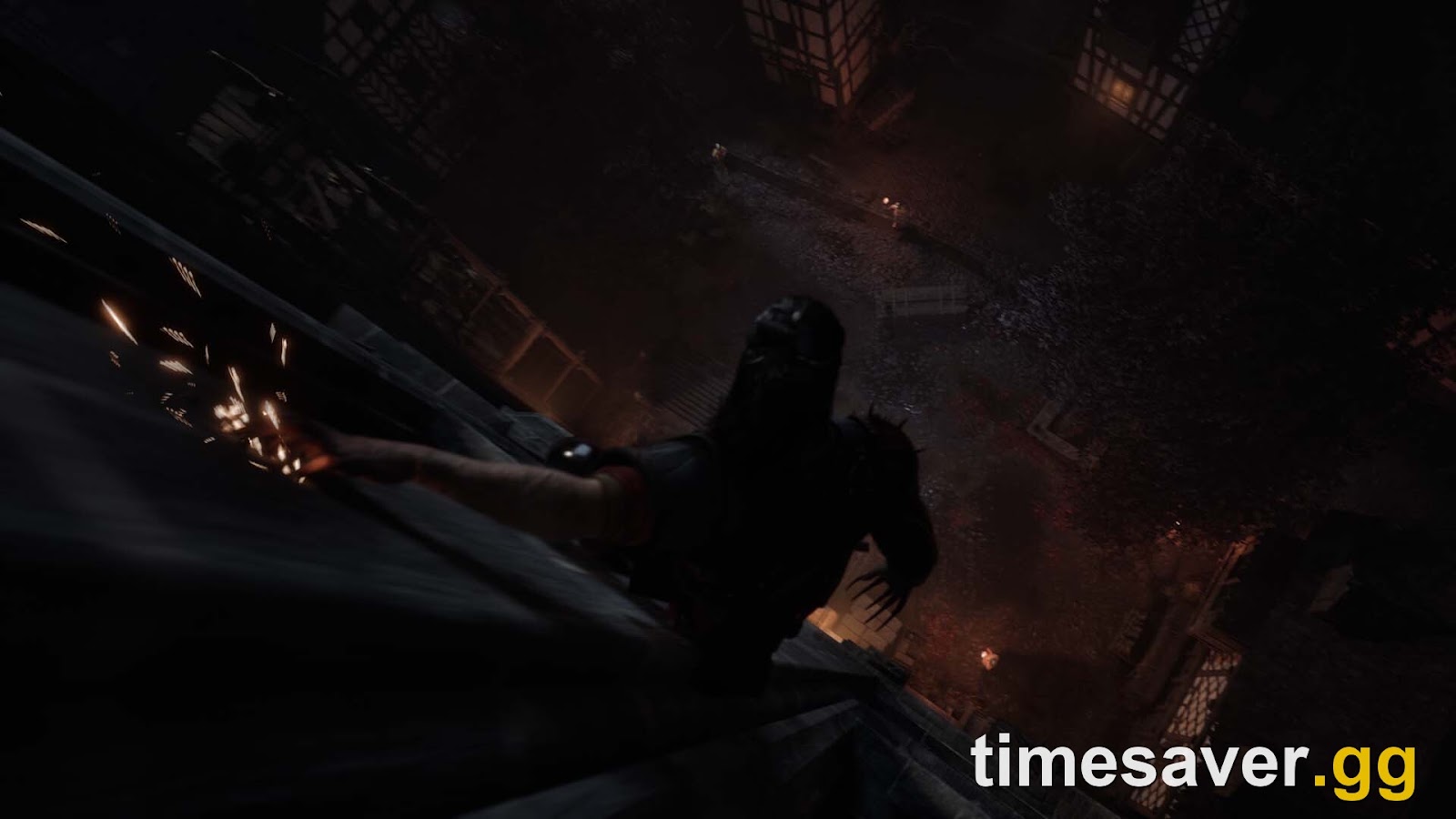
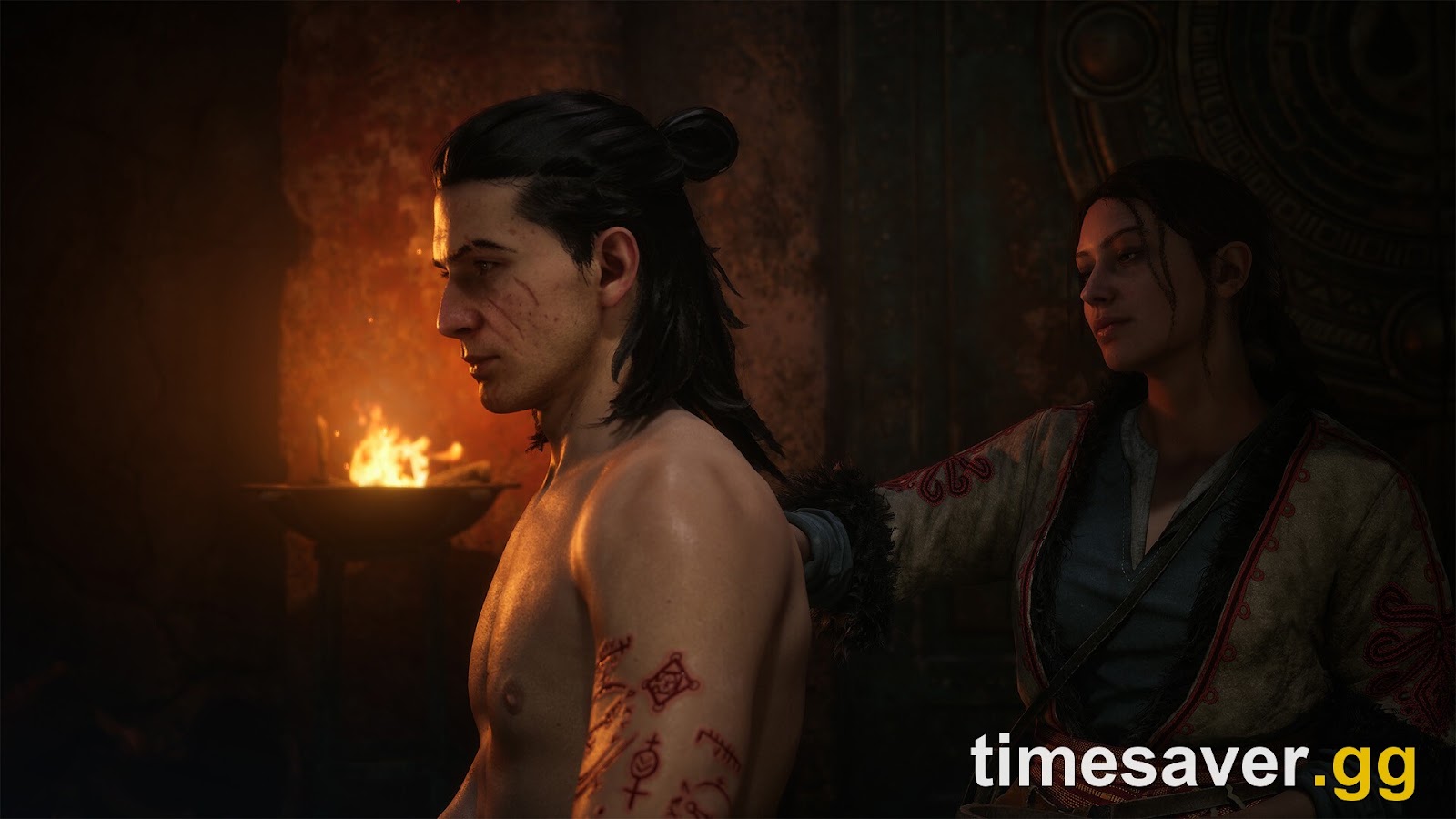
Coen is a Dawnwalker — human by day, vampire by night — and the previews describe two distinct toolkits. By day he fights with melee weapons and ritual blood magic, described in hands-on coverage as runes carved into the skin, closer to witchcraft than classic spellcasting. By night he unlocks vampiric powers: claws, a Focus Mode that highlights points of interest, a short-range Shadow Step teleport, the ability to walk on walls and ceilings at a stamina cost, and blood-drinking to restore health (per Gaming Trend's hands-on).
The publisher's framing, from the PlayStation Blog, is that sunlight "does not burn you," and Coen carries "all the power and ferocity of a vampire, but all the feelings and connections of a human." Previewers found the day/night switch genuinely changes how you approach a problem — sneaking a wall-crawl route at night versus a straight social or combat approach by day. As always pre-launch: these are described systems from a controlled build, not tested-to-completion mechanics.
What's the biggest criticism?
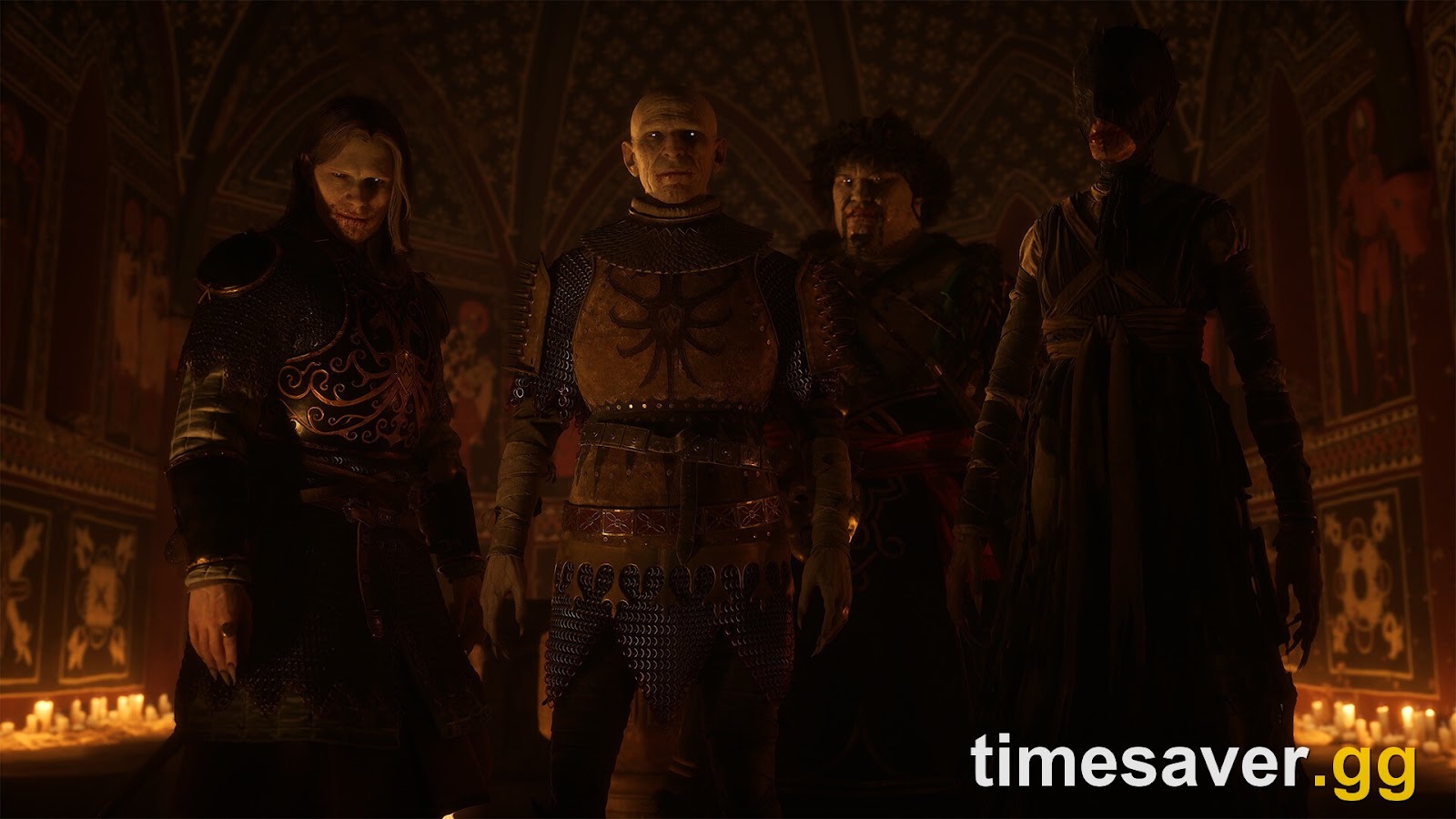
Presentation. Across the hands-on coverage, the most repeated complaint was facial animation. Aggregated preview coverage from gg.deals summarized it plainly: "the main criticism so far has been the facial animations, which some felt were closer to AA standards than those of a modern AAA RPG." Community reaction to gameplay clips echoed the same note about stiff faces and lip-sync.
There were smaller technical nitpicks too — some previewers mentioned animation fluidity and general "eurojank" — the kind of rough edges that are common in ambitious RPGs from newer studios and that a day-one patch sometimes smooths. But it's worth being precise: no day-one patch has been announced, and none of this has been measured on final review code. The criticism is real and consistent, but it sits alongside heavy praise for writing, atmosphere and world design, not in place of it.
Is it "the new Witcher 3"?
You'll see this framing everywhere, and it needs care. The verified link is personnel, not corporate: The Blood of Dawnwalker is the debut game from Rebel Wolves, a Warsaw studio of roughly 170 people founded by veterans of The Witcher 3: Wild Hunt and Cyberpunk 2077 — including CEO and game director Konrad Tomaszkiewicz, who directed The Witcher 3. It is not made by CD Projekt Red, and it is not an official Witcher successor.
Tomaszkiewicz addressed the comparison head-on with Eurogamer: "It's really hard to avoid, because me and many from the team are the people who co-created those games. It's hard to change yourself, because we put our style into it. That's why you see it in this game." He compared it to recognizing a director's signature: "when you have your own style, you will feel it through the art these people create." Fair framing: expect a Witcher-adjacent feel from shared DNA — but judge it as its own game, built on Unreal Engine 5, with its own vampire hook and time-based structure.
When do real reviews and scores arrive?
Not yet. As of August 20, 2026, there are zero critic scores on Metacritic or OpenCritic, and Rebel Wolves and Bandai Namco have not publicly announced the review-embargo date. Historically, scored reviews for a game like this land in the final days before release, so expect the embargo to lift somewhere in the window around early September 2026, close to the September 3 launch — though that timing is unconfirmed until the publisher says so.
Two more useful facts for setting expectations: the game went gold in mid-July 2026, which makes a delay very unlikely (the build is finished and being manufactured), and it ships with four difficulty levels — reported as story, fair, challenging and duelist — so the combat that divided previewers will be tunable. If you're weighing whether to buy at launch or wait, our guide on Game Pass and PS Plus explains why it won't be on a subscription day one, and the system requirements guide covers whether your PC can run it.
FAQ
Are there any reviews of The Blood of Dawnwalker yet? No. As of August 20, 2026 there are no scored critic reviews and no Metacritic or OpenCritic aggregate — the review embargo has not lifted. Everything published so far is a hands-on preview of an early build, not a review of the finished game.
Is The Blood of Dawnwalker good, based on previews? The hands-on previews are strongly positive about the writing, atmosphere and the 30-day "narrative sandbox" time system, with reservations about the divisive directional combat and the facial animation. It looks promising, but "good" is a preview impression right now, not a scored verdict — wait for reviews around launch for a measured answer.
What did previewers criticize most? Presentation — chiefly facial animation, described in aggregated coverage as closer to AA than modern AAA quality — and the combat, which some found deliberate and rewarding while others found it stiff and awkward to disengage from. No day-one patch has been announced, so it's unknown how much will change by release.
How much of the game have previewers actually played? Only the opening. Most hands-on sessions covered the prologue (about 90 minutes on Challenging difficulty) plus a small open-world slice — a few hours at most. Nobody has publicly played the full 30-day structure or reached an ending, which is why these are previews rather than reviews.
Is it made by the Witcher 3 team / CD Projekt Red? No. It's developed by Rebel Wolves, an independent Warsaw studio founded by former CD Projekt Red developers — including Witcher 3 game director Konrad Tomaszkiewicz — and published by Bandai Namco. The connection is shared talent, not the same company, and it is not an official Witcher game.
When does The Blood of Dawnwalker release? September 3, 2026 on PC (Steam), PlayStation 5 and Xbox Series X/S, starting at $69.99. If Steam shows September 2 in your region, that's a timezone display quirk — the announced date is September 3.
More Blood of Dawnwalker guides on timesaver.gg:
>
- The Blood of Dawnwalker Release Date, Platforms & Editions
All gameplay details above come from pre-release hands-on previews of an early build and from official Rebel Wolves / Bandai Namco sources, accurate as of August 20, 2026. Impressions are not final review scores; we'll update this piece once the review embargo lifts.