Path of Exile 2's Atlas passive tree is the single biggest multiplier on how much currency you make per map — and in 0.5 "Return of the Ancients" you can't respec the points you allocate. That one rule changes everything: the order you spend your first ~40 points decides whether you farm efficiently for the next hundred hours or waste them on dead nodes. This guide is the currency-first allocation plan — which Atlas nodes to take first, which mechanic sub-tree to commit to, which keystones are traps, and the fastest way to eventually fill all 311 points.

PoE2 - Divine & Exalted Orbs
Skip the grind — get Divine & Exalted Orbs
Quick Answer: The Currency-Farming Atlas Priority
- Take general ("natural") nodes first. Item Quantity, Item Rarity, Pack Size, Magic/Rare monster count, Waystone drop chance/duplication, Gold, and Strongboxes buff every map you run, regardless of which mechanic you farm. These are your foundation.
- Then commit to ONE mechanic sub-tree. Don't spread thin. For raw throughput with a modest build, specialize Expedition or Abyss; Delirium has the highest ceiling but is build-gated; Breach and Ritual are strong middle options.
- You cannot respec allocated points — only "choice" nodes swap. Plan the first ~40 points before you click anything. There is no free reset.
- The whole tree is 311 points and every point is obtainable. The fastest fill is repeat-killing the Arbiter of Divinity, which auto-completes a whole Fortress region (~30–50 points) per kill — about 5 kills clears the Atlas.
- Best commercial payoff: more Rarity/Pack Size = more drops = more orbs to sell and convert. Buy the currency you're short on or grab a boss carry to finish the tree fast — links at the bottom.
Everything below is verified against the official 0.5 patch notes, the PoE2 wiki, and current community farming data. Currency values float hard through a league, so we anchor mechanics, not stale prices — always verify live on poe.ninja or poe2scout before you trade.
How the Atlas Passive Tree Works in 0.5
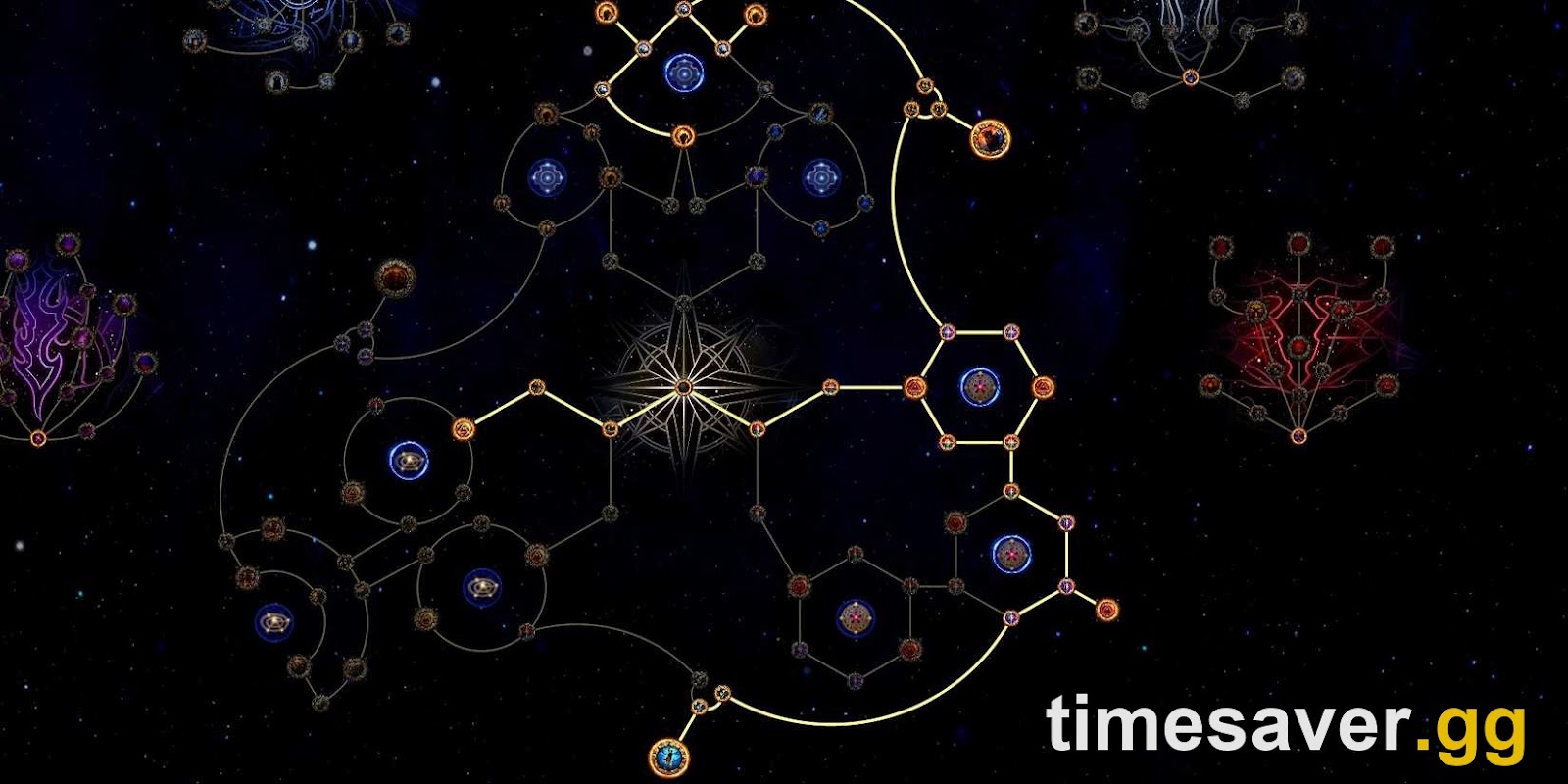
The Atlas passive tree is a separate skill tree from your character's passive tree. It doesn't touch your build — it modifies the maps you run: how many monsters spawn, how much loot they drop, how many Waystones you get back, and which league mechanics appear and how juiced they are.
You earn Atlas points by completing endgame content. Each completed Fortress ("great city") map awards +1 point; Precursor Towers give roughly 3–4 each; a single great-city region can hold 150+ maps. In 0.5 the total is 311 Atlas passive points, and — unlike older patches — it is now possible to eventually allocate every single node.
That "you get everything eventually" fact leads a lot of players to click randomly. That's a mistake, because of the next rule.
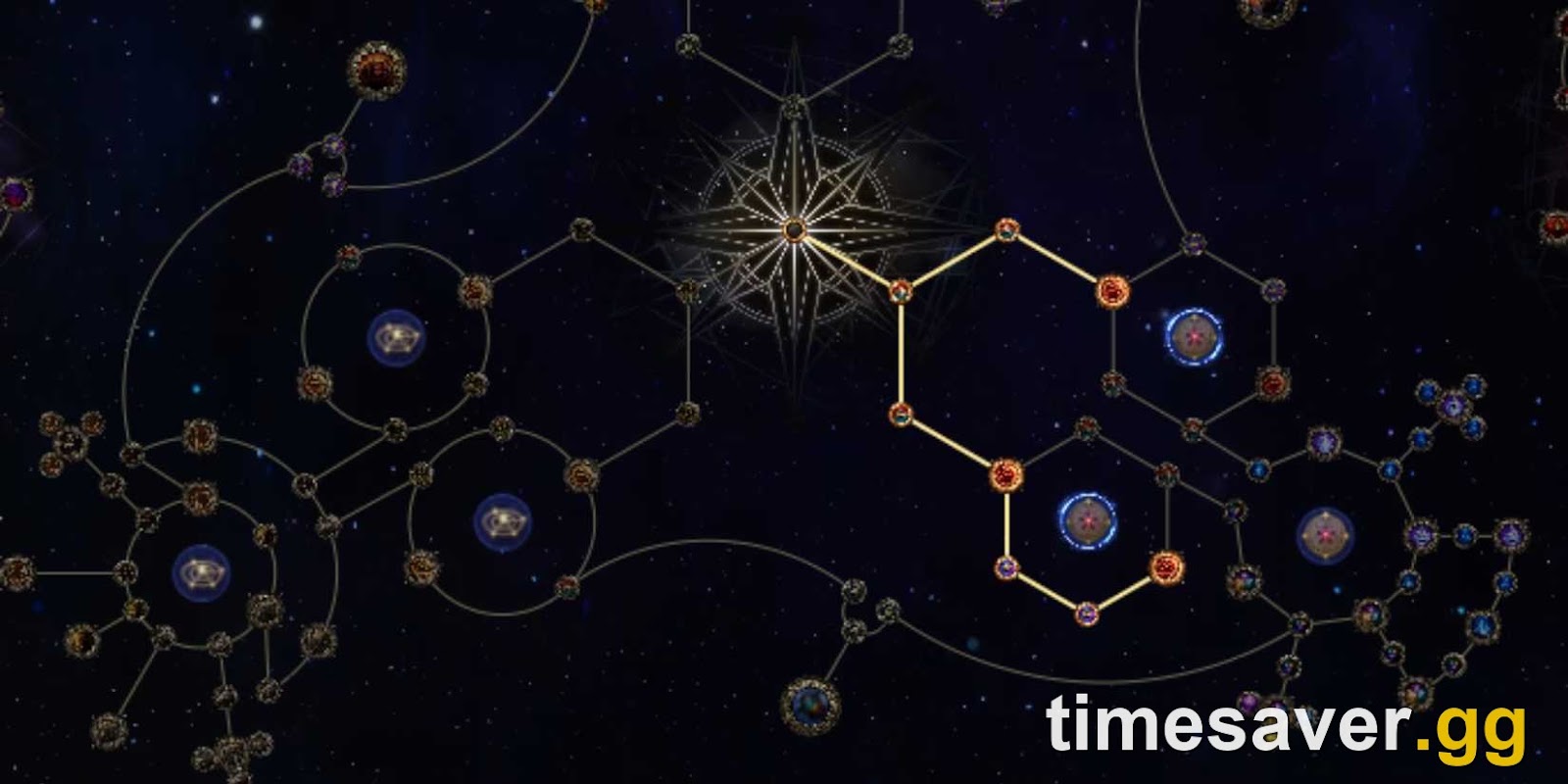
Why You Can't Respec — and Why Your First 40 Points Matter Most
Here's the rule that separates efficient farmers from everyone else: allocated Atlas points cannot be refunded. There is no Atlas respec currency. The only thing you can change after the fact are the "choice" nodes — a limited partial-swap system 0.5 introduced for specific pick-one notables. Everything else you spend is permanent.
As Switchblade Gaming's 0.5 Atlas breakdown puts it: "That's the partial respec system 0.5 introduced — use it actively rather than treating your initial pick as permanent." The takeaway is the inverse for everything that isn't a choice node — treat it as 100% permanent, because it is.
Practically, this means your first ~40 points are the ones that carry your entire early endgame. Spend them on nodes that:
- Buff every map (general Quantity/Rarity/Pack Size), not a mechanic you might abandon.
- Sustain your maps (Waystone drop chance and duplication) so you never run dry.
- Feed the currency loop (Gold, so you can afford the Currency Exchange and Map Device).
Do NOT sink your opening points into a niche mechanic sub-tree you haven't decided to main. If you allocate 15 points into Ritual and then realize your build clears Abyss twice as fast, those 15 points are gone forever.
Best Atlas Nodes to Take First for Currency
These are the general-tree node categories to prioritize before touching any mechanic branch. (Exact notable names shift between the sub-trees, so allocate by effect, not by memorizing a single node name.)
- Item Quantity of maps — the flat multiplier on everything that drops. Always your highest priority.
- Item Rarity — pushes drops toward rares and uniques (more valuable, more sellable). Watch which nodes give map rarity vs. only monster rarity.
- Increased Pack Size / more Magic & Rare monsters — more monsters = more drops and more mechanic triggers. Rare monsters are individual loot piñatas.
- Waystone drop chance + Waystone duplication — this is your sustain engine. Without it you burn maps faster than you find them and your farming grinds to a halt. Stack it early.
- Gold — nodes that increase Gold dropped by Map Bosses (roughly +25% on the boss-focused node). Gold isn't just for respeccing your character; in 0.5 it pays for the Currency Exchange and to activate the Map Device, so it's part of the currency loop now.
- Strongboxes & chests — cheap, reliable extra loot with no build requirement.
- Tablet & Tower nodes — "Industrial Improvements" lets City maps hold one additional Tablet, and Tower-radius nodes multiply how much your Precursor Tablets juice a whole region. If you plan to run Tablets (you should — see our map juicing guide), these compound hard.
Pick ONE Mechanic Sub-Tree to Specialize
After your general foundation, commit to a single league mechanic and invest heavily in its notables and keystones. Specializing one mechanic beats spreading points across three, because the strongest notables sit deep in each sub-tree.
| Mechanic | Throughput | Difficulty | Best for |
|---|---|---|---|
| Expedition | High, steady | Forgiving | Reliable currency with a modest build; strong 0.5.4 Grand Expedition tree |
| Abyss | High | Forgiving | Guaranteed Desecrated Currency drops (0.5.3+); safe, consistent |
| Delirium | Highest ceiling | Build-gated | Max currency/hour if you have fast clear + tankiness |
| Breach | High burst | Medium | Splinter/Wombgift farming, good sell items |
| Ritual | Medium | Medium | Omens and deferred-reward gambling |
If your build is still coming together, Expedition or Abyss are the forgiving picks — they don't punish a slower character and still print currency. Delirium is the highest-ceiling farm in 0.5, but it's genuinely build-gated: you must stay inside an expanding fog while monsters get tougher and denser, so glass or slow builds get overwhelmed. Match the mechanic to what your character can actually handle.

PoE2 - Items
Skip the grind — get Items
Atlas Keystones: What's BIS and What to Skip
Keystones are the big all-or-nothing nodes. The one that trips players up most is Wandering Path.
- Wandering Path doubles the effect of small (travel) passives but roughly halves the effect of notables. It's excellent for a specific playstyle — boss-rushing and stacking adjacent-map drop chance, map duplication, and quantity on travel nodes — where the doubled small-passive effect becomes a real multiplier. For general currency farming, it's a downgrade, because 0.5's sub-tree system packs powerful notables into your path and Wandering Path throws half of them away. Take it only if you know you want the travel-node build.
- General rule: unless a keystone directly amplifies the mechanic you specialized in, skip it early and grab it later once the rest of the tree is filling in. Remember — no respec, so a wrong keystone is a permanent tax until you finish the tree.
The Fastest Way to Fill the Whole Tree
Because every point is eventually obtainable, the long-term goal is a fully allocated Atlas. The fastest route isn't grinding random maps — it's repeat-killing the Arbiter of Divinity, the new top pinnacle boss in 0.5.
Each Arbiter of Divinity kill auto-completes an entire Fortress region, granting roughly 30–50 Atlas points at once. That means about 5 kills clears the whole 311-point tree — a full clear takes experienced players around 30 hours of focused pushing. If the fight is a wall for your build, this is exactly where a boss carry pays for itself: one clear can unlock ~50 points and its chase drops in a single run.
Turn Atlas Points Into Currency Faster
A juiced Atlas tree makes drops rain, but you still have to convert them and cover the orbs you're short on. Skip the grind where it makes sense:
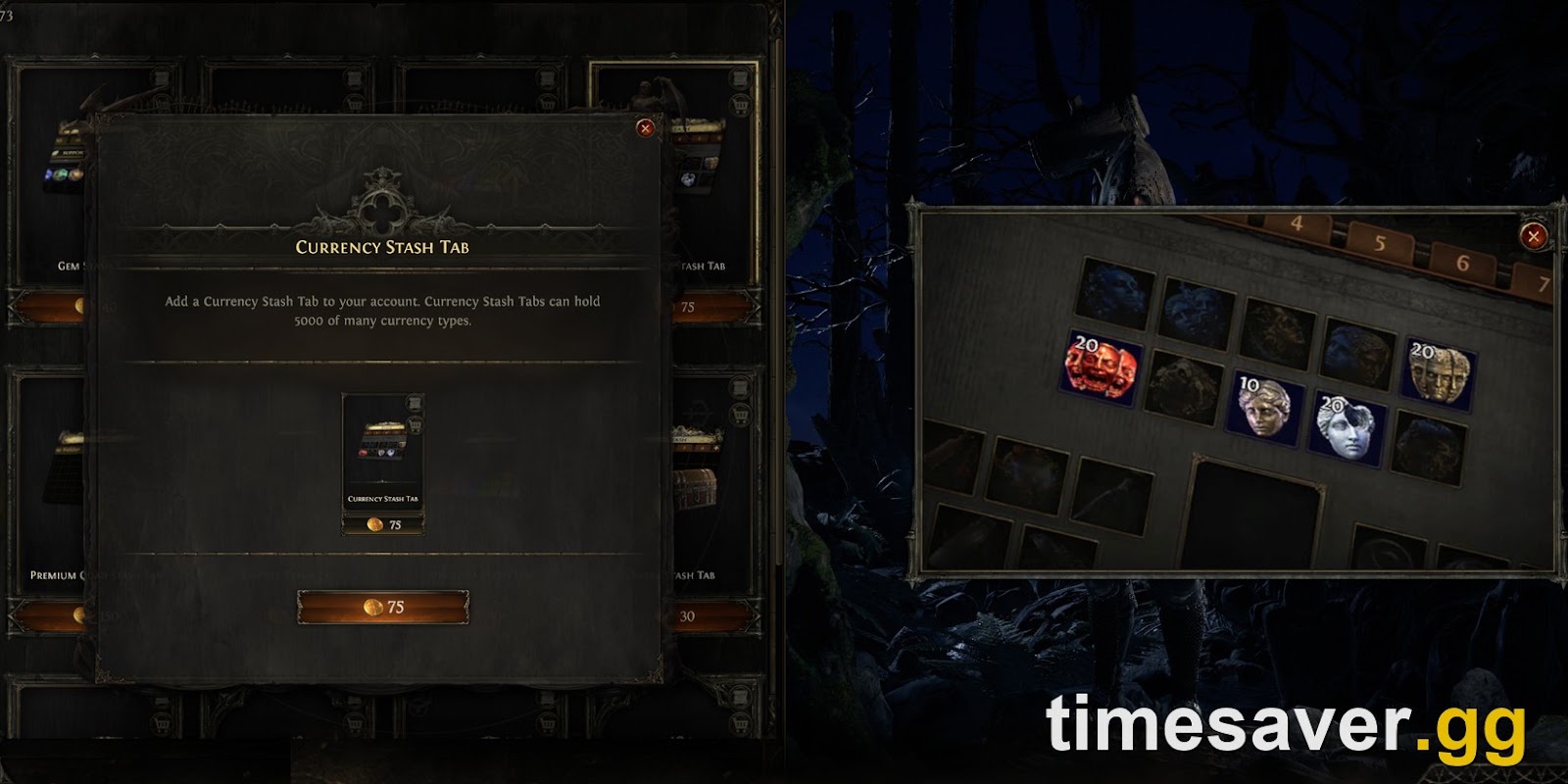
Stock up or finish the tree fast — instant delivery, trusted, best rates:
- PoE2 Divine Orbs — the premium denomination for buying gear and chase uniques
- PoE2 Exalted Orbs — the base trade currency for crafting and pricing
- PoE2 Currency (all orbs) — divine · chaos · exalted · more, fast and secure
- PoE2 Boss Carries & Leveling — Arbiter carries that auto-complete Atlas regions, plus pro leveling
Frequently Asked Questions
Can you respec the Atlas passive tree in PoE2? No — allocated Atlas points cannot be refunded. The only thing you can change are the limited "choice" nodes via 0.5's partial-swap system. Everything else is permanent, so plan your first ~40 points before you commit. This is the #1 reason to prioritize general, every-map nodes before niche mechanic branches.
How many Atlas passive points are there in 0.5? 311 total, and in 0.5 it's now possible to eventually allocate every single node. Points come from completing Fortress/great-city maps (+1 each), Precursor Towers (~3–4 each), and — fastest by far — Arbiter of Divinity kills that auto-complete ~30–50 points per region.
What Atlas nodes should I take first for currency farming? General "natural" nodes that buff every map: Item Quantity, Item Rarity, Pack Size, more Magic/Rare monsters, Waystone drop chance and duplication (for sustain), Gold, and Strongboxes. Only after that foundation should you invest into one mechanic sub-tree. Don't open with a mechanic you haven't committed to.
Which mechanic is best to specialize in? For a modest build, Expedition or Abyss give forgiving, steady throughput. Delirium has the highest currency-per-hour ceiling but is build-gated (you need fast clear and survivability to push deep fog). Breach and Ritual are solid middle picks. Specialize one rather than spreading points across several.
Is Wandering Path good for currency farming? Not for general farming — it doubles small travel passives but roughly halves notable effects, and 0.5's tree packs strong notables into your path. It shines only for a dedicated boss-rush / travel-node-stacking build. For most currency farmers it's a downgrade; skip it.
What's the fastest way to complete the Atlas tree? Repeat-kill the Arbiter of Divinity. Each kill auto-completes a Fortress region (~30–50 points), so about 5 kills finishes the entire 311-point tree. If the boss is too hard for your current build, a carry can knock out a region and its drops in one run.
Do Precursor Tablets and the Atlas tree stack? Yes. Atlas nodes that boost Tower radius and Tablet slots (like Industrial Improvements) directly multiply how much your Tablets juice a region. Combining a strong general Atlas foundation with liberal Tablet use in overlapping Tower radii is how you scale a single map into a currency machine.