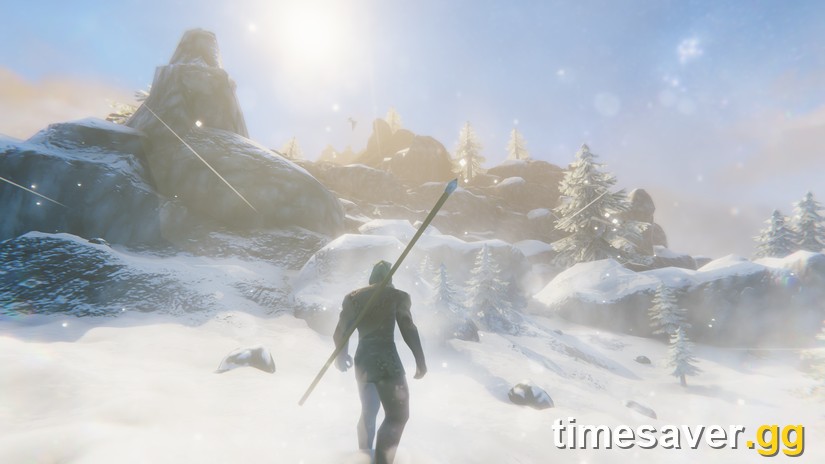
The Winding Tunnels are the first dungeon you have to clear in Valheim's Deep North, and almost nothing in the final biome works until you do. This is where you pull the Frostcore for the two new crafting stations, the Nord weapon and armour moulds that become your endgame gear, and the Intricate Key mould that is your only way into the Gates of Mörkhalla and, eventually, the final boss. Skip the tunnels and you are stuck in the Deep North with Ashlands gear — which the biome's giants will punish fast.
This guide is written for the live build, patch 1.0.17 (released October 6, 2026), now that Valheim 1.0 has left Early Access and the Deep North is fully live.
Quick answer: Winding Tunnels are found inside the large Great Halls of Abandoned Villages in the Deep North — there are up to 40 per world. Inside a dark, root-blocked maze of 32–48 rooms, you farm Frostcore (for the Frigid Kiln and Frost Foundry), Nord weapon/armour moulds, and the Intricate Key mould. Break the glowing Wardrobe Shafts (300 HP) to stop the endless Elaking spawns and grab moulds, Timberwood and Silver Necklaces. You will need to clear several tunnels before you have everything for the full Deep North gear chain. Bring a lantern or torch — it is pitch black down there, but it is not cold or freezing, so you don't need frost resistance inside.
Where do you find the Winding Tunnels in Valheim?
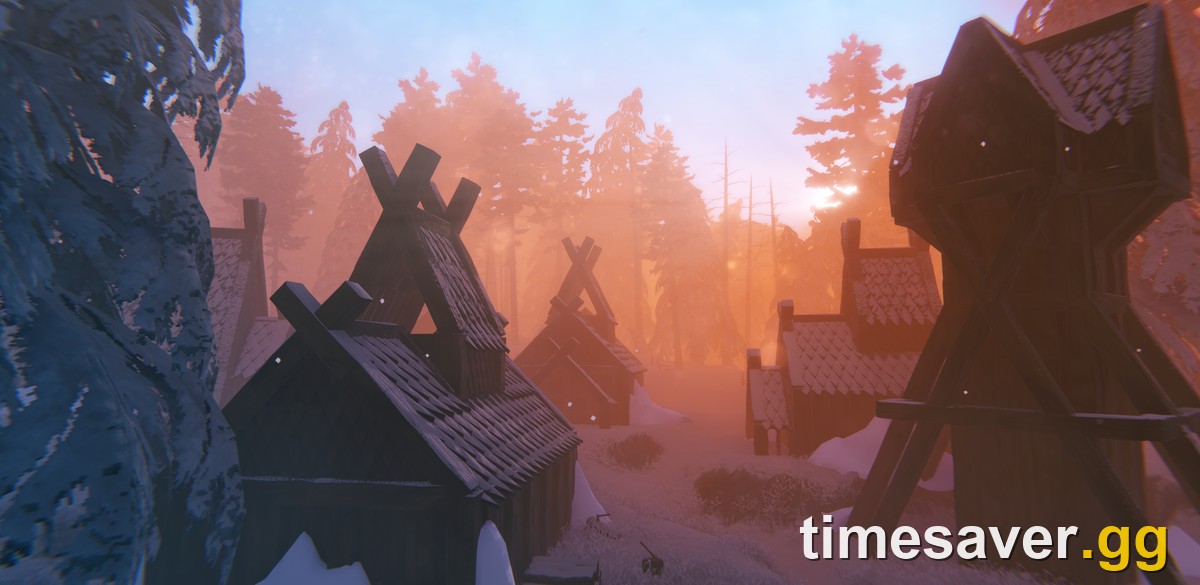
The entrance is never out in the open. Every Winding Tunnels dungeon sits underneath a Great Hall inside an Abandoned Village — one of the new surface locations scattered across the Deep North. Look for a cluster of ruined, snow-caked timber buildings, then head for the biggest, tallest hall in the group. Inside it, a hole in the floor drops down into the tunnels.
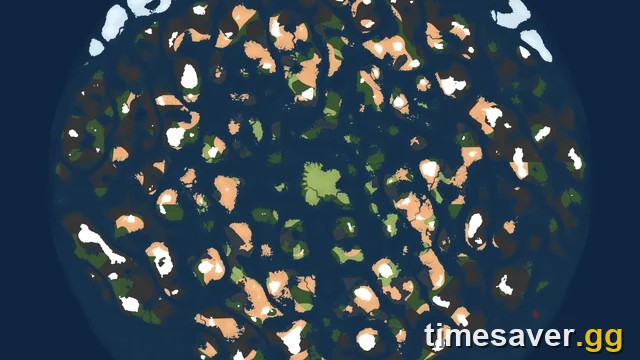
According to the Valheim Wiki's location data, the game places up to 40 Great Halls per world, each kept at least 256 meters apart, away from the edges of the Deep North and at least two meters above sea level. In practice that means you are rarely more than a short sail-and-trek from the next one, so if a dungeon runs dry on the mould you need, move on to another rather than farming a single tunnel forever.
A useful trick while you explore: Deep North Chests act as beacons with a 30-meter range that the Wishbone can detect, so carrying Bonemass's Wishbone (the item you get from the Swamp boss) makes clearing a village far faster — it pings the buried loot through walls.
Abandoned Villages are haunted by the ghosts of their former residents, so you will almost never get to search in peace. Clear inventory space before you drop in. A full clear hands back Frostcore, several moulds and a stack of enemy drops, and trudging back through a blizzard for one forgotten mould is time you will not get back.
What's inside the Winding Tunnels?

Each Winding Tunnels dungeon is generated from 32 to 48 rooms, and the environment is always dark — bring a torch, a lantern, or the new Hooded Lantern (you can build one from Luminous Larva and Timberwood). The good news: the interior is neither cold nor freezing, so you do not burn a food slot or a cape on frost resistance while you are underground.
The layout lives up to the name. Many passages between rooms are blocked by walls of roots. Each root wall has 150 health and a 50% chance to drop one Timberwood when destroyed, and smaller roots on the floors and walls also break for Timberwood. Chop through them to open the maze — and because the dungeon branches hard, mark your turns or you will loop back on yourself.
Two enemies live down here:
- Elaking — the dominant threat, spawned in large numbers from Wardrobe Shafts (more on those below). Roughly one in three Elaking carries a lantern, and spawned Elaking can roll up to two stars, which hit considerably harder.
- Eyeless Ones — these sleep until you come within six meters or attack them, so you can sometimes sneak past or get a free opening hit. Killing them drops Long Claws, a new 1.0 material.
What are Wardrobe Shafts and how do you farm them?
The Wardrobe Shaft is the single most important object in the dungeon, and the one most new players ignore. It is a glowing spawner built into the walls, and it is the source of the moulds you came for.
Here is exactly how it behaves, per the wiki's spawn data: a Wardrobe Shaft spawns an Elaking every 10 seconds while a player is within 30 meters, and keeps going until five creatures are within 20 meters of it. The shaft itself has 300 health and stops spawning the moment you destroy it. So the loop is simple but firm — kill the shaft, not just the Elaking it pumps out, or you will fight an endless tide.
When a Wardrobe Shaft is destroyed it rolls one to three loot items (maximum one of each). The drop table is where your Nord gear begins:
| Item | Drop chance |
|---|---|
| Timberwood (1–3) | 52.7% |
| Silver Necklace | 13.8% |
| Scrap Iron | 13.8% |
| Mould: Intricate Key | 13.8% |
| Mould: Nord Sword | 7.06% |
| Mould: Nord Spear | 7.06% |
| Mould: Nord Sledge | 7.06% |
| Mould: Nord Shield | 7.06% |
| Mould: Nord Mace | 7.06% |
Drop percentages are from the Valheim Wiki's Winding Tunnels location page (weirdgloop.org), community-measured on patch 1.0.17.
Because each weapon mould sits at roughly 7%, do not expect to walk out with the full set from one dungeon. This is the real reason you clear several Winding Tunnels: the moulds are rare per-shaft, so volume is the fix. One community player summed up the grind on r/valheim bluntly: "I found about 35 [Gammeltrolls] during my search" — the same patience applies to moulds. Keep moving between villages and smash every shaft you find.
Two more things worth grabbing while you are down there. Armour moulds (medium and heavy Deep North sets) do not come from the shafts — they drop from the Jotun Warriors you fight later in Mörkhalla, and patch 1.0.15 raised that drop rate after launch-week complaints. And Luminous Larva grows on the tunnel walls: combine it with Timberwood to build the Hooded Lantern, which is a genuine quality-of-life upgrade for the rest of the biome.
Where is the Frostcore and why does it matter?
Frostcore is the reason the Winding Tunnels come first in the Deep North. It is the build material for the two stations that make all new gear possible, and you cannot craft a single piece of Nord equipment without it.
You need Frostcore for both:
- The Frigid Kiln, which turns Ice into Liquid Frost.
- The Frost Foundry, where the finished Nord gear is actually made.
Each station needs roughly 10 Frostcore, so plan on gathering at least 20 before you can run the full crafting chain. Grab it on your tunnel clears — it is far easier to over-collect on your first few runs than to sail back later.
How do moulds, casts and the Frost Foundry work?
Deep North gear is not made at a single workbench the way earlier tiers were. It is a three-step chain, and understanding it saves a lot of confused "why can't I craft this?" moments:
- Mould — looted from Winding Tunnels (weapon moulds, the Intricate Key mould) or dropped by Jotun Warriors (armour moulds).
- Cast — combine the mould with Bloodgold at an upgraded Black Forge or Galdr Table to produce a cast.
- Frost Foundry — place the cast in the Frost Foundry with Liquid Frost to pull out the finished item.
The Frost Foundry will not run without Liquid Frost, and Liquid Frost only comes from the Frigid Kiln, which processes Ice (mined with a Black Metal pickaxe). The practical setup: build the Frigid Kiln and Frost Foundry side by side and keep a chest of Ice nearby so the pipeline never stalls. For the full material breakdown and where every Deep North resource comes from, see our Deep North resources guide.
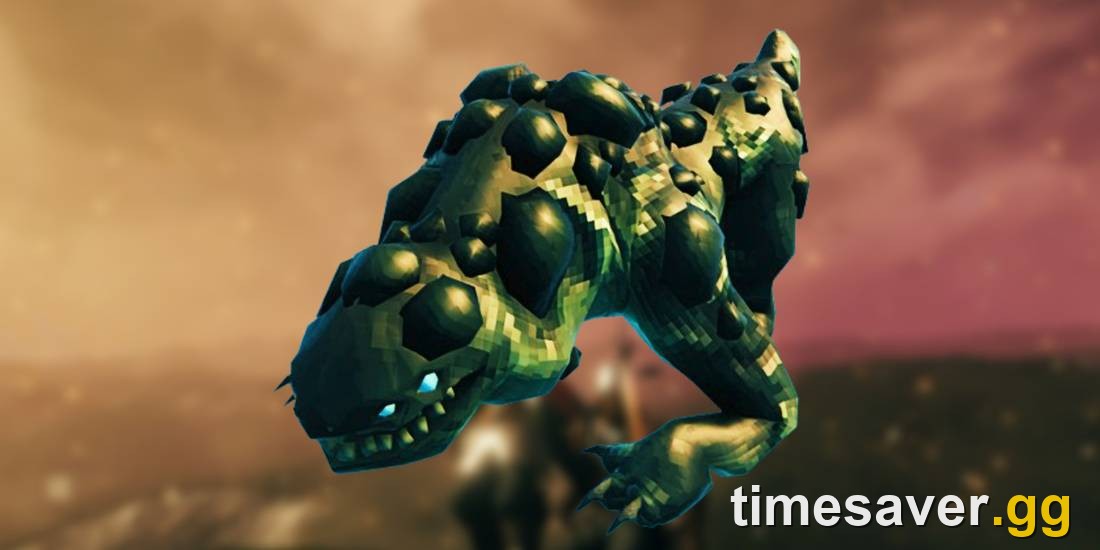
Bloodgold deserves a flag of its own, because it trips up almost everyone: you cannot mine it. It comes from the Gammeltroll — kill one, wait for it to turn to stone, then break the petrified body with an Ember Charge to release Petrified Tissue, which you smelt into Bloodgold in the Blast Furnace. Pickaxes do nothing to the statue. Our Bloodgold farming guide walks the whole chain.
How does the Intricate Key fit into the final boss path?

The Intricate Key mould is the loot that connects the Winding Tunnels to the endgame. It follows the same three-step recipe as gear: cast the Intricate Key mould with Bloodgold at the Black Forge, then finish the key in the Frost Foundry with Liquid Frost.
The key's job is to open the Gates of Mörkhalla — the second Deep North dungeon, a tall tower-like structure with around 14 floors across several large sections, connected by bridges and drawbridges. Two important nuances players get wrong here:
- The Intricate Key opens the main Mörkhalla entrance without being consumed — you keep it in your inventory. But some interior gates deeper in the dungeon do consume a key, so carry spares.
- Reaching the Mörkhalla entrance is often the hard part — it frequently sits up high, and without the new Grappling Hook (a 1.0 tool for climbing to high places) you often simply can't get there. Craft the Grappling Hook before you set out.
At the bottom of each Mörkhalla you smash the Malicious Ice, which triggers a Jotun Invasion; beating it back rewards Malicious Blood. You repeat that whole loop — key, Mörkhalla, Malicious Ice, invasion — three times, then offer the three Malicious Blood at the Strange Bowl to summon the final boss, Kall Fimbulbringer. The full fight is covered in our Kall Fimbulbringer boss guide. The short version: the Winding Tunnels are step one of the road to beating the game.
A clean Winding Tunnels run, start to finish
- Gear up like it's the Deep North, not the tunnels. You'll face the surrounding biome's enemies on the way in. See the full survival plan in our Deep North guide.
- Find an Abandoned Village, head to the largest Great Hall, and drop through the hole in the floor.
- Light up. Bring torches or a Hooded Lantern — the tunnel is pitch dark.
- Chop through root walls (150 HP each) and mark your route so you can backtrack.
- Prioritise Wardrobe Shafts. Destroy each one (300 HP) to cut off the Elaking spawns and roll the mould loot table.
- Collect Frostcore, Timberwood, Luminous Larva and moulds. Aim for 20+ Frostcore across your runs.
- Repeat across several villages until you have the Nord moulds you want plus the Intricate Key mould.
- Build the Frigid Kiln + Frost Foundry, farm Bloodgold from Gammeltrolls, and start casting Nord gear and your first Intricate Key.
FAQ
Where are the Winding Tunnels in Valheim? They generate inside the large Great Halls of Abandoned Villages in the Deep North biome. Enter the biggest hall in a ruined village and drop through the hole in the floor. The Valheim Wiki lists up to 40 of these halls per world, placed at least 256 meters apart.
Do you need frost resistance inside the Winding Tunnels? No. The dungeon interior is dark but neither cold nor freezing, so you don't need a frost resistance mead or the right cape while you're underground. You do need cold protection for the surrounding Deep North, so keep it for the trip in and out.
What are Wardrobe Shafts and should I destroy them? Wardrobe Shafts are glowing wall spawners that pump out an Elaking every 10 seconds while you're within 30 meters. Each has 300 health. Destroy them — it stops the endless spawns and rolls the loot table that drops Nord weapon moulds and the Intricate Key mould.
How do I get the Intricate Key mould? It drops from Wardrobe Shafts at roughly a 13.8% chance per shaft. Once you have the mould, cast it with Bloodgold at a Black Forge and finish it in the Frost Foundry with Liquid Frost to make the actual Intricate Key, which opens the Gates of Mörkhalla.
Why can't I find Nord weapon moulds? Each specific weapon mould drops at only about 7% per Wardrobe Shaft, so one dungeon rarely yields the full set. The fix is volume — clear multiple Winding Tunnels across different villages and smash every shaft. Armour moulds are separate: they drop from Jotun Warriors in Mörkhalla, with a boosted rate since patch 1.0.15.
What's the difference between Winding Tunnels and Mörkhalla? Winding Tunnels are dark root-mazes beneath villages that give you Frostcore, Timberwood and moulds. Mörkhalla is a tall multi-floor tower you open with an Intricate Key, where you fight Jotuns, break Malicious Ice to trigger invasions, and collect the Malicious Blood needed to summon Kall Fimbulbringer. You clear tunnels first, then use their moulds to reach Mörkhalla.
What patch is this guide for? The live build at the time of writing is patch 1.0.17 (October 6, 2026). The Winding Tunnels and the Deep North shipped with Valheim 1.0 on September 9, 2026; patch 1.0.15 increased Jotun Warrior armour-mould drop rates.
Want more endgame Valheim content? Read our Deep North gear guide for the best Nord weapons and armour, or the Deep North enemies guide to learn every new creature you'll face up north.