TL;DR: If you just finished a 60-hour single-player game and feel that "now what?" emptiness, you don't want another weekend game — you want a world that keeps giving for months. In 2026 the four genres that reliably deliver 300+ hours are extraction shooters (ARC Raiders, Escape from Tarkov), action RPGs (Diablo IV, Path of Exile 2), and the live looter grind that sits between them. Below: which one fits your taste, roughly how many hours each really holds, and the one honest catch nobody mentions — the first 20–40 hours are often a grind wall before the game gets good. We'll also cover how to skip that wall without ruining the part you love, and how a service like timesaver.gg fits in.
What makes a game "eat" hundreds of hours?
It isn't the length of the story. A linear game can be 100 hours long and still be "done" the moment the credits roll. The games that genuinely hold you for a year share three traits: randomized rewards (loot, drops, currency), a power curve with no real ceiling, and a reason to log in tomorrow (seasons, wipes, live events). Psychologists call the first one a variable-ratio reward schedule — the same loop that makes slot machines sticky — and it's the engine under every great looter and extraction shooter.
That loop is also why these games front-load a grind. The systems that make hour 200 feel incredible — deep crafting, a sprawling economy, build complexity — are the same systems that make hours 1 through 30 feel like homework. You're not playing the "real" game yet; you're filling in the prerequisites.
So the real question isn't "what's the best game." It's "which grind do I actually enjoy, and how do I get past the part I don't?" Answer that honestly and the four picks below practically sort themselves.
How many hours is "worth it," really?
A useful rule of thumb: a $40–70 game pays for itself at roughly one dollar per hour of entertainment — the same value bar people use for a cinema ticket or a streaming month. Hit 60–70 hours and you've already matched a night out per session for the price of the box.
Every game on this list clears that bar many times over. The catch is time density: 300 hours spread across a year is about 50 minutes a day, which is sustainable. The same 300 hours crammed into a launch month is a part-time job — and that's exactly when players burn out, bounce off the grind wall, and shelve a game they actually loved. Knowing your realistic weekly hours up front is the difference between "best year of gaming" and "another half-finished install."
Best extraction shooter for endless tension: ARC Raiders
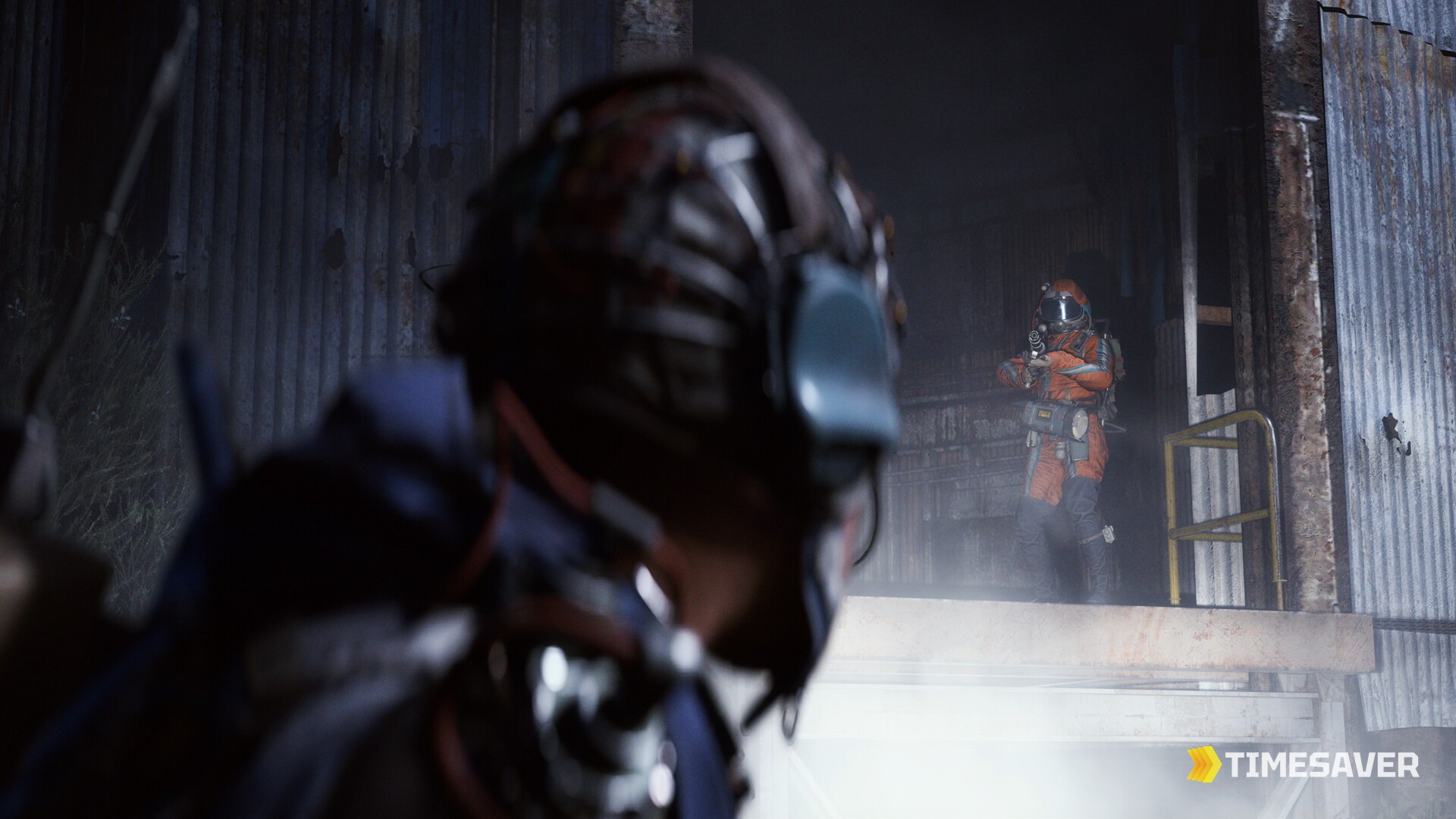
If you want every session to feel like a heist where you can lose everything, extraction shooters are the most replayable genre of the last few years — and ARC Raiders is the cleanest entry point in 2026. Runs are short (typically 15–25 minutes), the tension is real because death means dropping your loot, and the gear-and-blueprint economy gives you a long-term reason to keep raiding long after you've "seen" the maps.
What makes it stick is the risk math. Every raid is a fresh decision: extract now with a modest bag, or push one more building for the rare component you need — and risk losing all of it to another squad or a roaming machine. That tension never gets old because the stakes reset every single run.
The catch: the mid-game blueprint and materials grind is steep, and dying with a full bag stings. Most players bounce off right around the point where they need specific workshop materials to progress and the same farming runs start to repeat. If you'd rather spend your evenings raiding than farming the tenth identical materials run, ARC Raiders carries and material runs exist to get you over that wall and back to the part you enjoy.
Realistic hours: 150–400+, because the loop never really "ends" — it resets every raid.
Best for "one more level": Path of Exile 2
Action RPGs are the purest hundreds-of-hours genre, and Path of Exile 2 is the deepest one running right now. The build complexity is enormous — a passive tree with well over a thousand nodes, layered skill gems, and currency-based crafting — and a single character can absorb 200 hours before you've seen everything one ascendancy can do. Then you reroll and start a completely different playstyle.
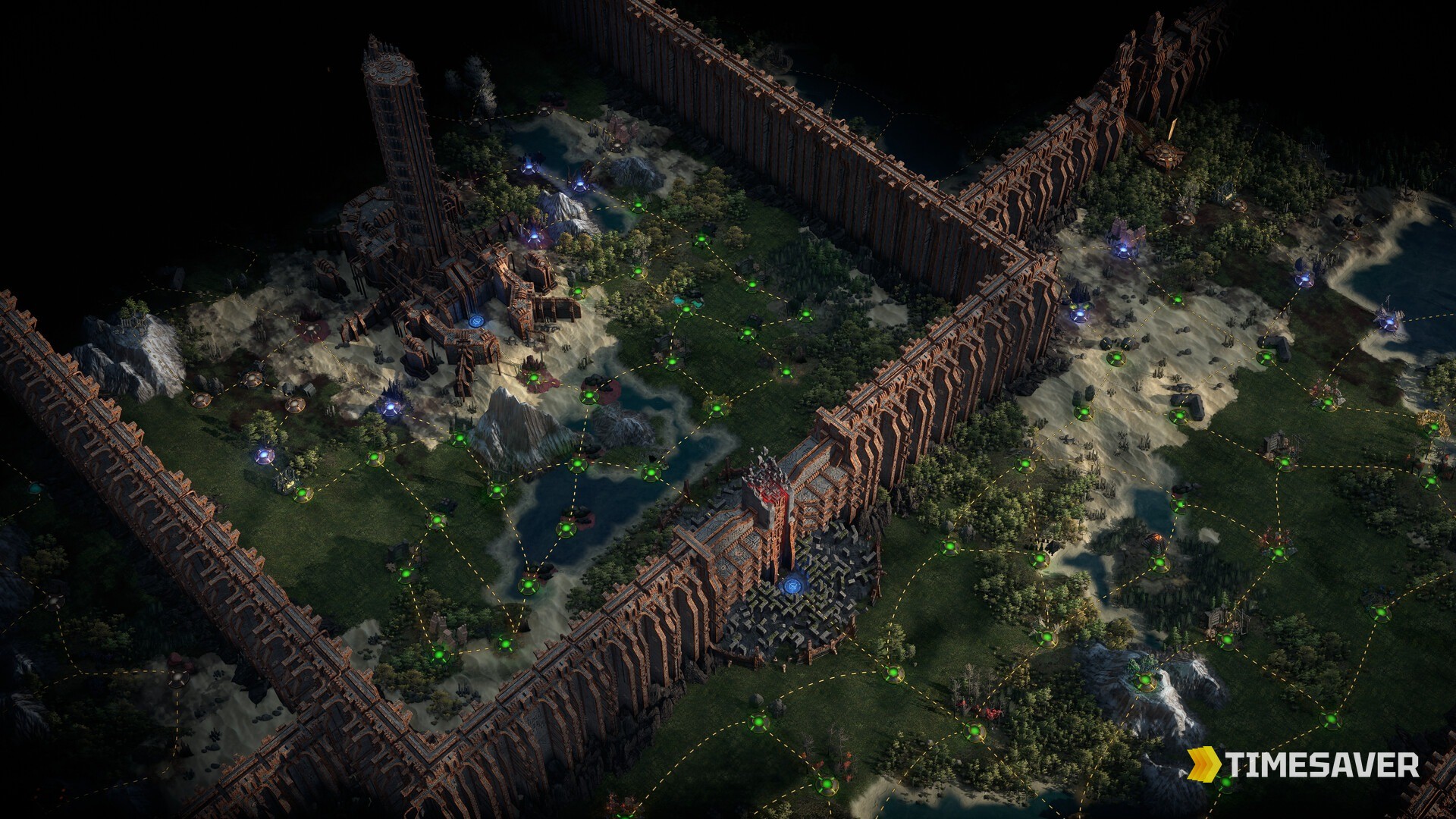
The endgame is where the hours pile up. Once you finish the campaign, the Atlas opens into a sprawling map system where you tune your own difficulty, chase boss fragments, and gamble currency on better gear — a loop designed to run for an entire league rather than a weekend.
The catch: PoE2's depth is also its wall. The campaign and the currency/gear economy are notoriously unforgiving for new players, and "just look up a build guide" quietly turns into a second job of spreadsheets and trade-site tabs. If you want to play the fun part — mapping, bossing, build experiments — without grinding currency for days first, PoE2 boosting and carry services and PoE2 leveling skip the slog and drop you into the endgame.
Realistic hours: 200–600+ across a league, especially if you reroll builds.
Best pick-up-and-grind ARPG: Diablo IV
If PoE2 sounds like too much homework, Diablo IV is the more approachable hundreds-of-hours ARPG: smoother onboarding, a fresh seasonal storyline every few months, and an endgame (Nightmare Dungeons, Infernal Hordes, Pit pushing) built for repeatable grinding. It's the genre's comfort food — you can theorycraft as hard as you like, or just turn your brain off and farm.

The seasonal model is the hook: each new season resets the ladder, adds a new mechanic, and gives even veteran players a clean slate to chase the best build of the patch. It's a reliable reason to come back several times a year without ever feeling like you're behind forever.
The catch: D4's early leveling and gold economy can feel like a treadmill, especially when a new season wipes your progress and you're re-clearing the same early tiers to get back to the fun. Players who want to jump straight into the endgame each season lean on Diablo IV power leveling and Diablo IV gold and gear to skip the rebuild and arrive where the build actually comes online.
Realistic hours: 100–300 per season, and there's a new season roughly every few months.
Most hardcore time sink: Escape from Tarkov
If you want the deep end — a game that respects nothing about your time and is incredible because of it — Escape from Tarkov is the most demanding extraction shooter on the market. The hideout, branching quest lines, and player-driven economy are a genre unto themselves, and a single wipe can swallow hundreds of hours before you've ticked off your goals.
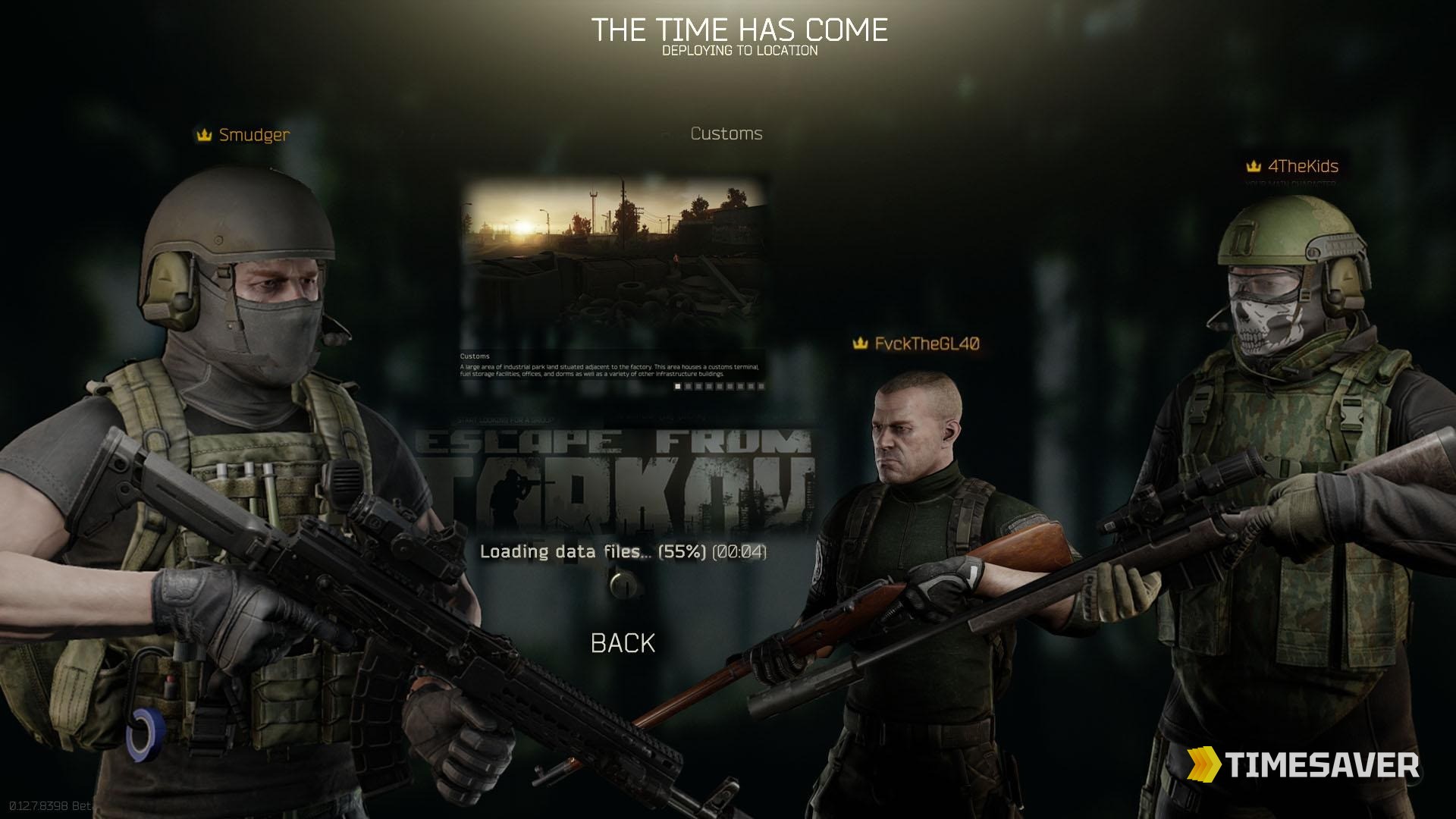
Tarkov's appeal is that everything matters. Every bullet has its own ballistics, every piece of gear has a real money value on the flea market, and every raid is a genuine gamble with kit you actually paid for in roubles. Win and you walk away rich; lose and you start the climb again. Nothing else on this list commits to that fantasy as hard.
The catch: Tarkov's learning curve is famously brutal, and the quest/hideout grind (roubles, GP coins, the Kappa container) is a months-long commitment that reads like a checklist of second jobs. Plenty of players love the gunplay but not the bookkeeping — which is why Tarkov boosting, roubles and quest carries are some of our most-requested services.
Realistic hours: 300+ per wipe for anyone chasing the Kappa container.
So which one should you actually play?
A quick decision tree:
- You want short, tense sessions and don't have hours per night → ARC Raiders.
- You love theorycrafting and "one more level" → Path of Exile 2.
- You want a clean, approachable grind with fresh seasons → Diablo IV.
- You want the deepest, most punishing world and have the patience → Escape from Tarkov.
All four share the same honest truth: the first 20–40 hours are a wall, and the game you fall in love with lives on the other side of it. That's the whole reason a boosting market exists — not to "win" the game for you, but to skip the part you don't enjoy so you spend your limited gaming hours on the part you do.
Can you really skip the grind without ruining the game?
This is the fair objection: if the grind is the game, doesn't skipping it hollow out the experience? The honest answer is it depends on which grind you skip.
There's a meaningful difference between the fun grind and the prerequisite grind. Mapping in PoE2, pushing the Pit in Diablo IV, or hunting that one rare component in ARC Raiders is the fun grind — the loop you bought the game for. Re-leveling a sixth alt through the same campaign, or farming the same starter materials for the third season in a row, is the prerequisite grind — the toll booth in front of the fun.
Skipping the prerequisite grind doesn't ruin anything; it just gets you to the good part faster. That's the whole design philosophy behind a service like timesaver.gg — handle the leveling, the currency, and the gear floor so your actual playtime lands on the content that made the game famous. For a working adult with maybe an hour a night, that can be the difference between finishing a season and quitting in week two.
The bottom line
In 2026, "what should I play next?" almost always resolves to one of these four loops. Pick the grind that matches your taste, go in knowing the early hours are the price of admission, and budget your real weekly time honestly so you don't burn out before the game opens up. And if you'd rather not pay that price in time — if you'd rather your limited hours go to the raids, the maps, and the bosses instead of the chores — that's exactly what the services on timesaver.gg are for.
Related Guides
- More guides
- Best Multiplayer Survival Games to Play in 2026 (Co-op & MMO — Ranked)
- Best Open-World Racing Games to Play in 2026 (Ranked)
- Best MMORPGs to Play in 2026 (Ranked) — And Where Beginners Should
- The Hardest Games to 100% Complete in 2026 (Ranked by Grind)
- Best Realistic Shooters to Play in 2026 (Tactical, Extraction &
- Best Games With the Deepest Magic Systems to Play in 2026 (Ranked)