TL;DR: If you want the coolest magic — fireballs and pretty particles — almost any RPG delivers. If you want the deepest magic — systems with real build-crafting, meaningful trade-offs, and a ceiling you can chase for hundreds of hours — the list is short. In 2026 the games that genuinely reward a spellcaster brain are Path of Exile 2 (the most build-deep magic in any ARPG), Diablo IV (the most accessible elemental power fantasy), World of Warcraft (the deepest class fantasy with three distinct mage paths), Elden Ring (the most tactical single-player sorcery), and Baldur's Gate 3 (the most freeform "cast anything at anything" spellcasting). Below we rank them by how deep the system actually goes, who each one is for, and the honest catch they all share: the magic is the fun part — the grind to unlock it is what eats your week.
What actually makes a magic system "deep"?
"Deep" and "flashy" are not the same thing, and confusing them is why people bounce off games expecting more than they get. A genuinely deep magic system has four things:
- Build expression — more than one viable way to play a caster, so two players using the "same" class look completely different.
- Resource trade-offs — mana, focus points, cooldowns, or spell slots that force real decisions instead of spamming one button.
- Synergy and scaling — spells that combine, modify each other, or scale off gear and stats, so the system rewards system knowledge.
- A ceiling — endgame depth that keeps mattering at hour 200, not just hour 2.
Rank a game on those four axes and the marketing screenshots stop mattering. Here's how the heavy hitters stack up.
Which game has the deepest magic system overall? (Path of Exile 2)
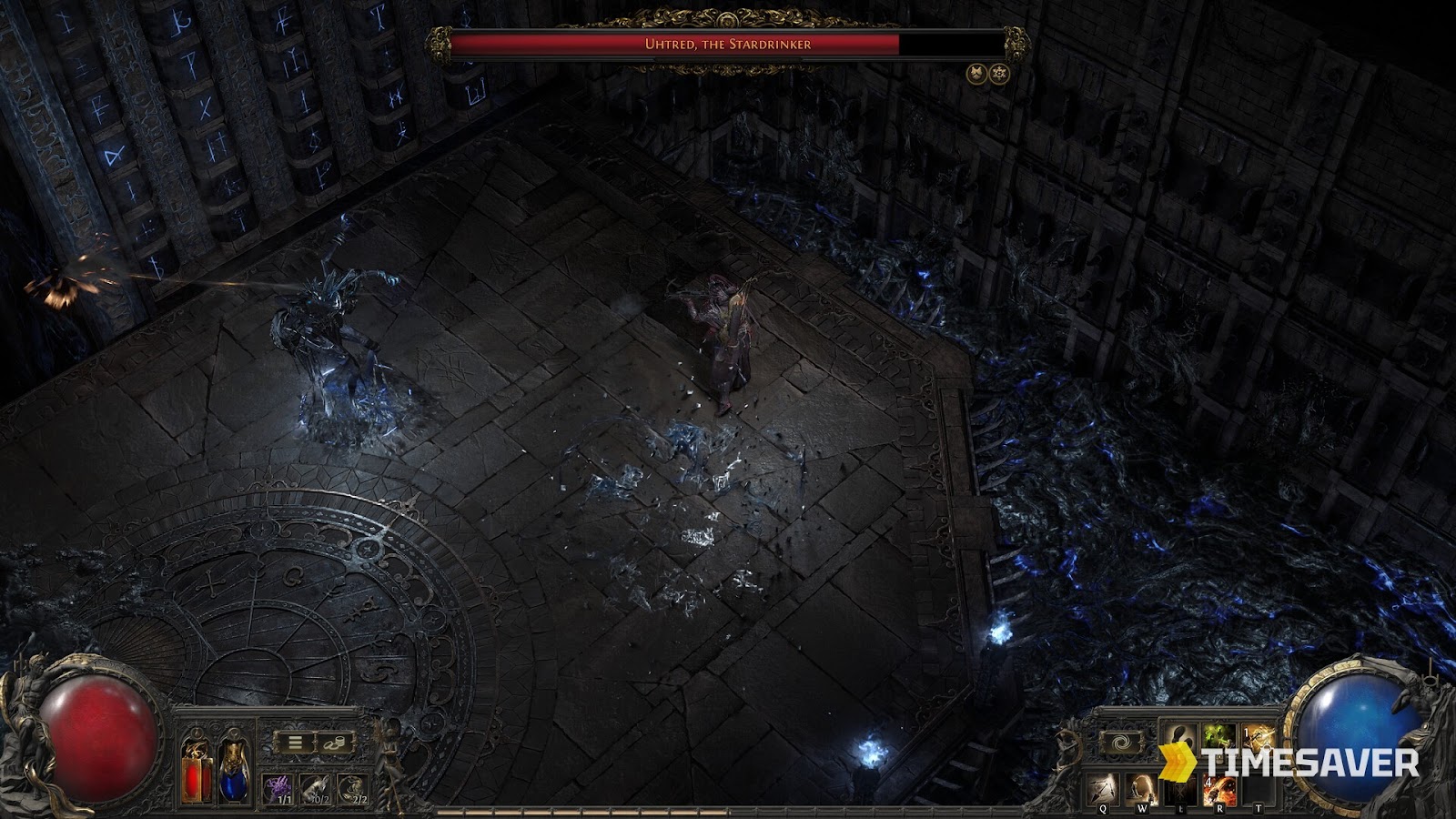
If "deep" is the only word that matters, Path of Exile 2 wins and it isn't close. Its magic isn't a list of spells you unlock — it's a build sandbox. Spells come from skill gems you socket into your gear, and each active spell can be wrapped with support gems that fundamentally change how it behaves: chain it, fork it, make it crit, turn a single cast into a persistent area, link it to a trigger so it fires automatically. Stack that on a passive skill tree with well over a thousand nodes and you get a system where the same fireball can be ten different builds.
The trade-off layer is real, too. Spells cost mana (and, in PoE2, persistent skills reserve Spirit), so you're constantly balancing damage against sustain. And the ceiling is the whole point: the endgame is a build-optimization treadmill where players chase incremental upgrades through the game's deep, player-driven currency economy — the orbs that re-roll and craft gear are the trading currency.
That depth is also the catch. PoE2 is the steepest learning curve on this list, and the gap between "a build that works" and "a build that clears endgame" is paved with a lot of grinding. If you love the theorycrafting but not the farming, our PoE2 leveling and boosting services and PoE2 currency exist precisely to skip the tedious middle and get you straight to the build you actually want to play.
Best for: min-maxers, theorycrafters, anyone who treats a character sheet like a puzzle.
What's the best magic system for newcomers? (Diablo IV)
Diablo IV is the answer when you want the elemental power fantasy without a spreadsheet. The Sorcerer is built around three schools — fire, cold, and lightning — and the standout mechanic is the Enchantment system, which lets you take an active skill and slot it as a passive effect instead. That one idea quietly creates a ton of build identity: a Frost build that auto-freezes everything, a Fire build that chains burning, a Lightning build that machine-guns charged bolts.
Layer Paragon boards and gear affixes on top and the endgame Sorcerer has real depth — but the on-ramp is gentle. You can faceroll the campaign on instinct and only start thinking hard about builds when you hit the harder difficulty tiers. That accessibility is exactly why it's the most popular entry point into deep-ARPG magic.
The honest part: Diablo IV's depth lives in the endgame, and the endgame is a gear grind. Hitting the difficulty tiers where builds matter takes time most people don't have. If you'd rather arrive at the fun part, Diablo IV boosting and Diablo IV power-leveling get your Sorcerer to the level where the build sandbox actually opens up.
Best for: players who want satisfying elemental destruction without the PoE2 homework.
Which game has the best class-based magic? (World of Warcraft)
Where the ARPGs give you build depth, World of Warcraft gives you the deepest class fantasy. The Mage alone is effectively three different playstyles: Arcane (burst and mana management), Fire (crit-chasing combos), and Frost (control and consistency) — each with its own talent tree, rotation, and feel. And that's one of several caster classes; Warlocks, Priests, Druids, Shamans and Evokers each bring their own magical identity on top.
What makes WoW's magic deep isn't a single mechanic — it's the context. A rotation that's optimized for raid damage is different from the one you run in PvP, which is different again from solo content. The system has 20 years of iteration behind it, and with WoW Midnight continuing the modern talent-tree design, the build space for casters is as wide as it's ever been.
The catch is the oldest one in the MMO book: everything good is gated behind leveling and gear progression. If you want to actually play the endgame magic instead of grinding toward it, WoW Midnight leveling and boosting services close that gap.
Best for: players who want their magic tied to a living world, raids, and other people.
What's the best single-player magic system? (Elden Ring)
If multiplayer grind isn't your thing, Elden Ring has the most tactical magic in a single-player game. Its sorceries and incantations aren't a separate "mage mode" — they're weapons you aim, time, and manage FP (focus points) to cast, using staves and sacred seals that scale off your Intelligence or Faith.

Depth here is about expression through scarcity. You can't spam — every cast is a deliberate choice, and the dozens of sorceries and incantations cover everything from long-range glintstone artillery to buffs, heals, and close-range burst. Because it's a soulslike, a "mage" build is genuinely viable as a main playstyle, not a novelty, and respeccing lets you experiment without rerolling.
Best for: solo players who want magic to feel like a precision tool, not a fire hose. (Not in the Timesaver catalog — included for completeness.)
Which game lets you cast the most creatively? (Baldur's Gate 3)
Baldur's Gate 3 wins the "cast anything at anything" award. Built on the Dungeons & Dragons 5e ruleset, it gives you 12 classes and hundreds of spells and abilities, with a turn-based system that rewards setup: spell slots you have to budget across a fight, environmental interactions (light the oil, then ignite it), surfaces, verticality, and emergent combos the game genuinely lets you pull off.
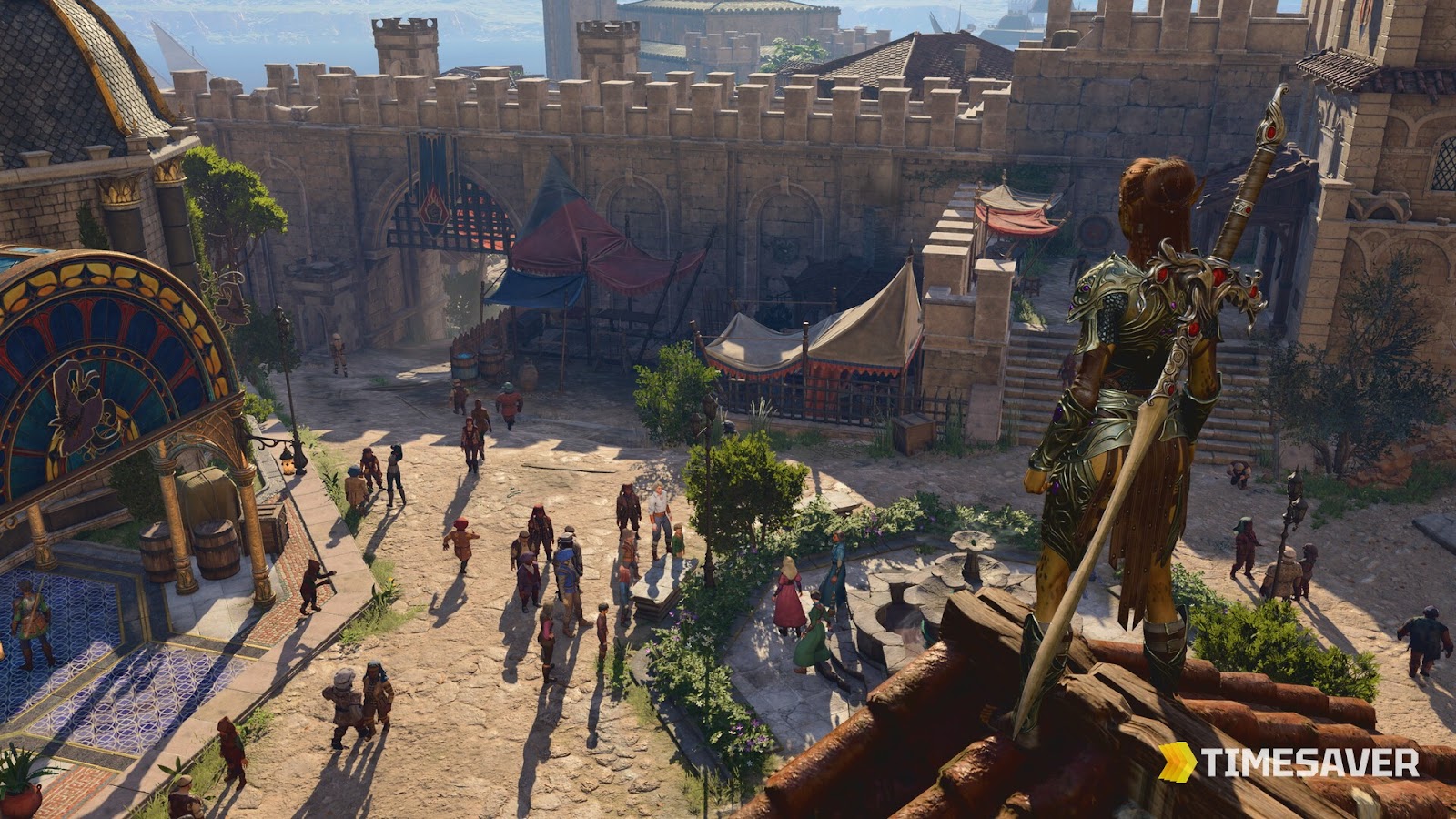
The depth is situational rather than build-grind: a Wizard who learns to stack control spells and environmental damage feels wildly powerful, and the same encounter can be solved a dozen ways. It's the most "tabletop sorcerer" of any game on this list.
Best for: players who want creativity and roleplay over endgame optimization. (Also not in the catalog — listed because no honest magic ranking can skip it.)
Quick comparison: which magic system should you pick?
- Deepest build-crafting → Path of Exile 2. Nothing else comes close on raw build expression.
- Easiest to enjoy fast → Diablo IV. Elemental power fantasy with a gentle on-ramp.
- Best class fantasy + multiplayer → World of Warcraft / WoW Midnight. Three mage paths, a living world.
- Best solo / tactical → Elden Ring. Magic as a precision weapon.
- Most creative / freeform → Baldur's Gate 3. Cast anything, solve anything.
Notice the pattern: the deeper the magic, the longer the runway before you reach it. PoE2, Diablo IV and WoW all hide their best caster gameplay behind a leveling-and-gear wall — which is exactly the part most players grind through gritted teeth.
How do you skip the grind and get to the good magic faster?
Every system on this list shares one tax: the build you want to play usually sits 30–100 hours of leveling and farming away from where you start. That's fine if grinding is your hobby. If it isn't, the fastest path to the actual fun — the fully-realized build — is to skip the parts that aren't.
Get to the build, not the grind. Timesaver.gg runs fast, safe boosting for the deep-magic games on this list:
- Path of Exile 2 leveling & services and PoE2 currency — skip the campaign grind and the currency farm, go straight to crafting your endgame build.
- Diablo IV power-leveling — get your Sorcerer to the difficulty tiers where builds actually matter.
- WoW Midnight boosting — reach the endgame where your mage rotation gets to shine.
Frequently asked questions
What game has the best magic system in 2026? For sheer depth and build-crafting, Path of Exile 2 has the best magic system of any current game — skill gems, support gems, and a thousand-plus-node passive tree make it the most expressive caster sandbox available. If you want accessibility over depth, Diablo IV is the better starting point.
What's the best magic game for beginners? Diablo IV. Its Sorcerer delivers a satisfying elemental power fantasy you can enjoy on instinct, and the build depth (Enchantments, Paragon) only becomes essential in the endgame, so there's no steep early wall.
Which game has the most realistic spellcasting? "Realistic" usually means resource-managed and deliberate rather than spammy. Elden Ring (FP-gated sorceries you aim and time) and Baldur's Gate 3 (D&D spell slots you budget per fight) are the closest to that feel.
Is Path of Exile 2's magic too complicated for casual players? It can be. PoE2 has the steepest learning curve here, and the gap between a working build and an endgame-clearing one is large. Following a build guide — or using a leveling service to skip the tedious middle — makes it far more approachable.
Can I play a pure mage as my main class in these games? Yes in all of them. Caster builds are fully viable mains in Path of Exile 2, Diablo IV, World of Warcraft, Elden Ring, and Baldur's Gate 3 — none of them treat magic as a side option.
The final word
The "coolest" magic is everywhere; the deepest is rare. In 2026, Path of Exile 2 owns build depth, Diablo IV owns accessibility, World of Warcraft owns class fantasy, Elden Ring owns tactical solo play, and Baldur's Gate 3 owns creative freedom. Pick the axis you actually care about and the choice makes itself — then decide how much of the grind to the good part you're willing to do yourself. When the answer is "as little as possible," that's what timesaver.gg is for.
Related Guides
- More guides
- Best Multiplayer Survival Games to Play in 2026 (Co-op & MMO — Ranked)
- Best Open-World Racing Games to Play in 2026 (Ranked)
- Best MMORPGs to Play in 2026 (Ranked) — And Where Beginners Should
- The Hardest Games to 100% Complete in 2026 (Ranked by Grind)
- Best Games to Sink Hundreds of Hours Into in 2026 (And How to Skip
- Best Realistic Shooters to Play in 2026 (Tactical, Extraction &