Quick answer: how does Witchcraft work in The Blood of Dawnwalker?
Witchcraft is Coen's daytime blood-magic tree — a set of Hexes carved into his skin that only work while he is human. Three things define it, and all three come straight from the finished game:
- It is day-only. The runes that power Hexes heal over the moment Coen turns at night, so every Witchcraft ability seals until sunrise. Plan to cast in the day and switch to Vampirism after dark.
- Every Hex costs your own Health plus Activation Charges — there is no mana bar. You pay a slice of your HP per cast (10% for a small ward, up to ~40% for a heavy area Hex), so Witchcraft is about casting enough without killing yourself.
- You unlock new Hexes with Manuals, not just skill points. Manuals are books you find or buy in the world, and learning a node also spends a time slot from the game's 30-day clock.
If you want one line: open a fight with a damage-over-time Hex, then swing your sword to keep it running for free, and keep a defensive Hex on your bar for the moment your health dips. The rest of this guide covers the best Hexes to grab first, how the health-and-charge economy works, where Manuals come from, and the one Ultimate you should commit to.
This guide was written on September 8, 2026, five days after The Blood of Dawnwalker launched on PS5, Xbox Series X/S and PC. Every mechanic below is attributed to developer Rebel Wolves or to named outlets playing the finished game — nothing here is guesswork, and where a detail is single-sourced it is flagged.
The Blood of Dawnwalker is the debut RPG from Rebel Wolves, a Warsaw studio founded by veterans of The Witcher 3 and Cyberpunk 2077 (including Witcher 3 game director Konrad Tomaszkiewicz), published by Bandai Namco Entertainment. It launched to strong reviews — as verified live on August 31, 2026 it sits around 84 on OpenCritic ("Mighty") with 89% of critics recommending it, and roughly 83 on Metacritic. Witchcraft is the least obvious of the game's three trees, and the one players fumble first, because it punishes you if you treat it like a normal spellbook. Here is how it actually works.
Why Witchcraft only works in the day
Coen is a Dawnwalker — human by day, vampire by night. That day/night split is not just flavour; it is the rule that governs which of your three skill trees you can use at any moment. Swordmastery works around the clock. Vampirism only comes online at night. Witchcraft sits on the opposite side of the clock from Vampirism: it works only in the day.
The reason is unusually specific, and it is confirmed rather than invented. Method's skill-tree breakdown describes Witchcraft as "Hex magic channelled through runes carved into Coen's skin." When Coen turns vampire at night, those cuts heal too quickly to hold their shape, so the runes close and the Hexes go dark until dawn. Dexerto's Witchcraft build guide puts it plainly: "none of it works after dark, because once you turn you heal too fast for the cuts to hold."
The practical takeaway: Witchcraft and Vampirism are two halves of one character, not competing builds. You are not choosing "witch or vampire" — you are choosing what you do in the daylight hours versus the night hours. A player who leans on Hexes still spends every night as a claw-and-fang vampire, and vice versa. The only tree you can genuinely commit to full-time is Swordmastery, which is exactly why it is the safe early investment.
The cost of a Hex: Health and Activation Charges
Most RPG spellcasters spend mana. Coen spends blood — his own. There is no mana bar in The Blood of Dawnwalker. Instead, every Witchcraft ability draws on two resources:
- Health. Casting a Hex carves a fresh rune, and that literally costs a percentage of your current HP. Method calls this out directly: "casting a hex spell in Witchcraft chips away a little of your own health on top of the Activation Charge cost." Cheap wards take about 10% of your health; heavy area Hexes take far more.
- Activation Charges. These are a separate combat resource — think of them as red charges you build up by fighting well, and spend on your stronger abilities. A light Hex costs one charge; a big one costs two or more.
Two concrete, cross-checked examples show the spread:
| Hex | Activation Charges | Health cost | What it does |
|---|---|---|---|
| Life Lock | 1 | ~10% | Blocks one instance of incoming damage and reflects a share of it back |
| Ravenous Flock | 2 | ~40% | Area damage that stuns a target; hitting that target again triggers extra area damage |
(Charge and health costs per the Blood of Dawnwalker wiki entries for each ability, cross-referenced with Dexerto's build notes; exact percentages can shift with perks and difficulty.)
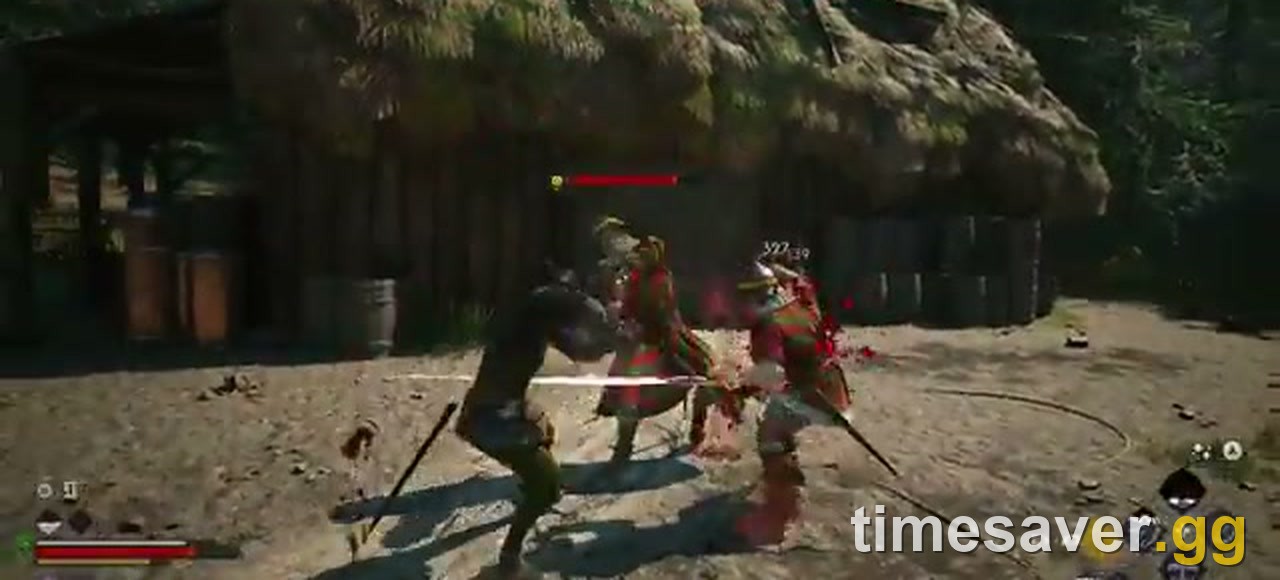
That health cost is the whole design tension. If you spam Hexes you will bleed yourself out before the enemy does — and because you cannot drink blood to heal during the day (feeding is a night-only Vampirism act), your health does not come back easily mid-fight. This is why the strongest daytime play is not "cast constantly." It is: cast one or two Hexes to start a fight, then let your sword carry it. Several passives exist specifically to soften the health cost, and grabbing them early is the difference between Witchcraft feeling powerful and feeling suicidal.
Best Hexes to unlock first
You start with a small number of ability slots — early on, three — so you cannot run everything. These are the Hexes and passives worth your first Manuals and points, based on the named abilities that recur across GamesRadar, Method, Dexerto and community wiki listings:
- Burning Blood — a damage-over-time Hex, and the closest thing Witchcraft has to free damage. Method uses it as the textbook example of the tree: cast it, then go back to swinging while it ticks. It is your default opener on a single tough enemy.
- Soul Stigma — raises critical-hit chance and critical damage on the target you cast it on. Dexerto's build treats it as the true opener because "everything you do afterwards hits harder." Stack it before Burning Blood on a priority target.
- Soul Reaping — lifesteals the target over time and shoves them away from you. With no blood-drinking available in the day, Dexerto calls this "your only real panic button" — it is the Hex that keeps a daytime witch alive.
- Life Lock — the cheapest defensive Hex (1 charge, ~10% HP). It blocks an incoming instance of damage and reflects some of it back. Fire it right before a heavy attack lands.
- Ravenous Flock — your area-of-effect answer. It stuns and deals area damage, and re-hitting the stunned target triggers a second burst. Expensive in both charges and health, so save it for groups.
The most important passives to prioritise:
- Frugal Witchcraft — directly reduces the health you sacrifice per cast. On a tree that pays for everything in HP, this is a top-priority pickup.
- Unholy Vitality — regenerates health after each active ability, repaying part of what casting costs.
- Cycle of Ruin — extends the duration of your active Hexes every time you land an attack, block or perfect-block. This is what turns "cast and re-cast" into "cast once, then keep it alive with your sword," which is the entire point of a sustainable Witchcraft build.
- Potent Blood — gives your Hexes a chance to cost no health at all, and Unholy Fervour gives a chance to refund an Activation Charge. Both stretch your resource pool.
If you can only chase one node early, take Frugal Witchcraft — every other Hex gets cheaper the moment you own it. And grab Forbidden Sigils as soon as it is available: it opens more ability slots, which you will want the instant you are running a Hex, a passive engine like Cycle of Ruin, and a defensive option together.
Where Witchcraft Manuals come from
Unlike Vampirism (unlocked by Corruption) and Swordmastery (mostly skill points), Witchcraft perks frequently require a Manual — a physical book you find in the world or buy from specific vendors — before you can spend a point on them. PC Gamer's Witchcraft manual round-up counts ten Witchcraft abilities in total and describes hunting the books down as the real gate on the tree. The good news for early players: you do not have to find them all cold. Per PC Gamer, the herbalist Anca unlocks Compel Soul, Astral Communion, Burning Blood and Mercurial Fervour for you towards the end of the prologue — so you leave the opening region already holding your first damage-over-time Hex.
A few things to know so you do not stall:
- The Witchcraft tree itself opens after an early story beat. Community trackers place it after a prologue-region quest rather than being available from minute one, so do not panic if the tree looks locked at the very start.
- Manuals are tied to vendors and locations, not level. You can hit a wall where you have skill points but not the Manual for the node you want. When that happens, another level-up will not help — you need to go find or buy the book.
- Unlocking a node spends a time slot. Because Witchcraft nodes cost a segment of the 30-day clock to learn, do not learn Hexes you will never slot. Time you spend training is time you are not spending on quests, and the clock only moves forward.

Because Manual locations are still being mapped by the community five days after launch and some come from named quest-givers, treat any single "buy it from X" claim as provisional until you see the vendor in your own game. What is solid: the tree exists, it is Manual-gated, and learning from it costs both a slot of time and, at higher tiers, XP.
Which Witchcraft Ultimate should you pick?
Each skill tree has three Ultimate perks at the bottom, and the rule is strict: you can only ever learn one Ultimate across all three trees. Picking a Witchcraft Ultimate means you are giving up the Swordmastery and Vampirism Ultimates for the whole playthrough (and there is no respec to undo it), so this is the single most permanent choice in the tree. The Witchcraft Ultimates, per Method:
- Aether Cascade — using a Hex reduces the cost of your next Hex by one Activation Charge. This is the build-defining pick for a caster: a rotation of several Hexes effectively pays for itself, and it is why dedicated Witchcraft builds run four-Hex loops.
- Entwined Torment — spreads your Hex to a second enemy, so a single cast afflicts two targets. Note that some outlets report it only procs once per fight, which makes it a crowd-control pick rather than a damage engine. The choice for players who mostly fight packs rather than single bosses.
- Runic Bulwark — the defensive Ultimate. Sources describe it slightly differently — Method lists it as a magical shield that blocks three attacks and can be refilled by casting Hexes, while other guides describe it as Perfect Blocks having a chance to apply a random Hex. Either way it rewards defensive, block-heavy play and pairs with Swordmastery's parry perks.
For most players committing to daytime blood magic, Aether Cascade is the strongest because it attacks Witchcraft's core weakness — the resource cost. The commonly reported effect is that each Hex you cast reduces the Activation-Charge cost of your next one, so a multi-Hex rotation effectively pays for itself. (One wiki instead describes it as ramping Witchcraft damage per cast within a fight; either way it is the go-to for a dedicated caster.) If you find yourself constantly swarmed, Entwined Torment is the situational alternative. Whatever you choose, choose once: Ultimates are locked in.
A simple, safe Witchcraft playstyle
Putting it together, here is the loop that keeps a daytime witch alive, drawn from Dexerto's build notes and Method's tree breakdown:
- Open with Soul Stigma on the biggest threat so your follow-ups crit.
- Cast Burning Blood on the same target — now a damage-over-time Hex is ticking for free.
- Stop casting and swing your sword. With Cycle of Ruin, every landed hit, block and perfect-block extends your active Hexes, so your blade keeps them running instead of you re-casting into your own health bar.
- Drop Soul Reaping when your health dips for the lifesteal-and-knockback, and Life Lock before a big attack lands.
- Against groups, hex two or three enemies rather than one — Blasphemous Echo raises your damage for each cursed enemy, so spreading Hexes pays off.
The mental model that makes Witchcraft click: it is not a spam-caster. It is a sword build with a blood-magic accelerant. You spend a little health to set up, then let melee do the work while the Hexes tick. Overcast and you die to your own runes; under-cast and you leave damage on the table. The sweet spot is one or two Hexes per fight, kept alive by good swordplay.
For the full picture of how Witchcraft sits alongside the other two trees — including the night-only Vampirism powers and the Corruption system that gates them — see our companion breakdown below.
More Blood of Dawnwalker guides on timesaver.gg:
- The Blood of Dawnwalker Skill Tree Guide: Swordmastery, Witchcraft and Vampirism Explained
- The Blood of Dawnwalker Combat Guide: How to Parry, Directional Duels and Vampire Powers
- The Blood of Dawnwalker Difficulty Settings: All 4 Modes and Which One to Choose
- The Blood of Dawnwalker Beginner Tips: 8 Things to Know Before You Start
FAQ
Can you use Witchcraft at night in The Blood of Dawnwalker? No. Witchcraft is day-only. The runes carved into Coen's skin that power his Hexes heal over when he turns vampire at night, sealing every Witchcraft ability until sunrise. At night you switch to the Vampirism tree instead; Swordmastery is the only tree that works in both phases.
Do Hexes cost mana? There is no mana bar. Every Hex costs a percentage of your own Health plus one or more Activation Charges (a combat resource you build by fighting). A cheap ward like Life Lock costs about 10% of your health and one charge; a heavy area Hex like Ravenous Flock costs roughly 40% and two charges. Passives such as Frugal Witchcraft and Potent Blood reduce or occasionally remove the health cost.
What are the best Witchcraft Hexes to unlock first? Burning Blood (damage over time) and Soul Stigma (a crit-boost opener) give you the most reliable early damage, and Soul Reaping is the defensive lifesteal you rely on since you cannot drink blood in the day. Prioritise the passive Frugal Witchcraft to cut the health cost, and Cycle of Ruin so your sword swings keep your Hexes running.
How do you unlock Witchcraft abilities? Many Witchcraft nodes require a Manual — a book you find or buy from vendors in the world — before you can spend a skill point on them, and learning a node also costs a slot of in-game time. This is different from Vampirism (unlocked by raising Corruption through drinking blood) and most of Swordmastery (skill points only).
Should you pick a Witchcraft Ultimate? You can only learn one Ultimate across all three trees for the whole game, and there is no respec. If you are committing to daytime blood magic, Aether Cascade is the strongest because it cuts the Activation-Charge cost of your Hexes and lets a multi-Hex rotation sustain itself. Entwined Torment is better if you mostly fight groups, and Runic Bulwark is the defensive pick.
Is Witchcraft or Vampirism better in The Blood of Dawnwalker? They are not rivals — they operate at opposite times of day. Witchcraft is your daytime toolkit and Vampirism is your night-time toolkit, so a typical playthrough uses both. The only tree you can rely on around the clock is Swordmastery, which is why most builds pair Swordmastery with heavy investment in one of the two form-specific trees rather than trying to master all three.