The best armor in Arena Breakout: Infinite right now is the highest class you can afford to lose — because Season 7: Utopia (live since September 16, 2026) quietly removed the random-penetration lifeline that used to punch through Class 5 and Class 6 plates. Top-tier armor is now genuinely harder to shoot through, so the real question stopped being "which plate is best" and became "which class is worth the risk in the mode I'm playing." This guide breaks down ABI's six armor classes, the durability mechanic that decides your second fight, and exactly how the Season 7 balance pass changed what you should be wearing.
Quick answer: ABI armor runs Class 1 (lowest) to Class 6 (highest). For most players in Normal mode the sweet spot is Class 4 — Normal is now capped at Tier 4 and below gear in Season 7, so a Class 5/6 vest is useless there anyway. In Lockdown (capped at Tier 5 and below) run Class 5 as your workhorse. Class 6 belongs in Forbidden Zone, and after Season 7 it's tankier than ever because the low-probability penetration against Class 5/6 armor was removed. Durability, not just class, decides how long that protection lasts.
This article is verified against the official Season 7: Utopia patch notes (Steam, September 15, 2026) and the Season 6: White Nights balance notes (June 2026). Armor and ammo values are rebalanced every season in ABI, so the numbers and rules below are stamped Season 7 (September 16, 2026) — re-check at the next season boundary.
How armor works in Arena Breakout: Infinite
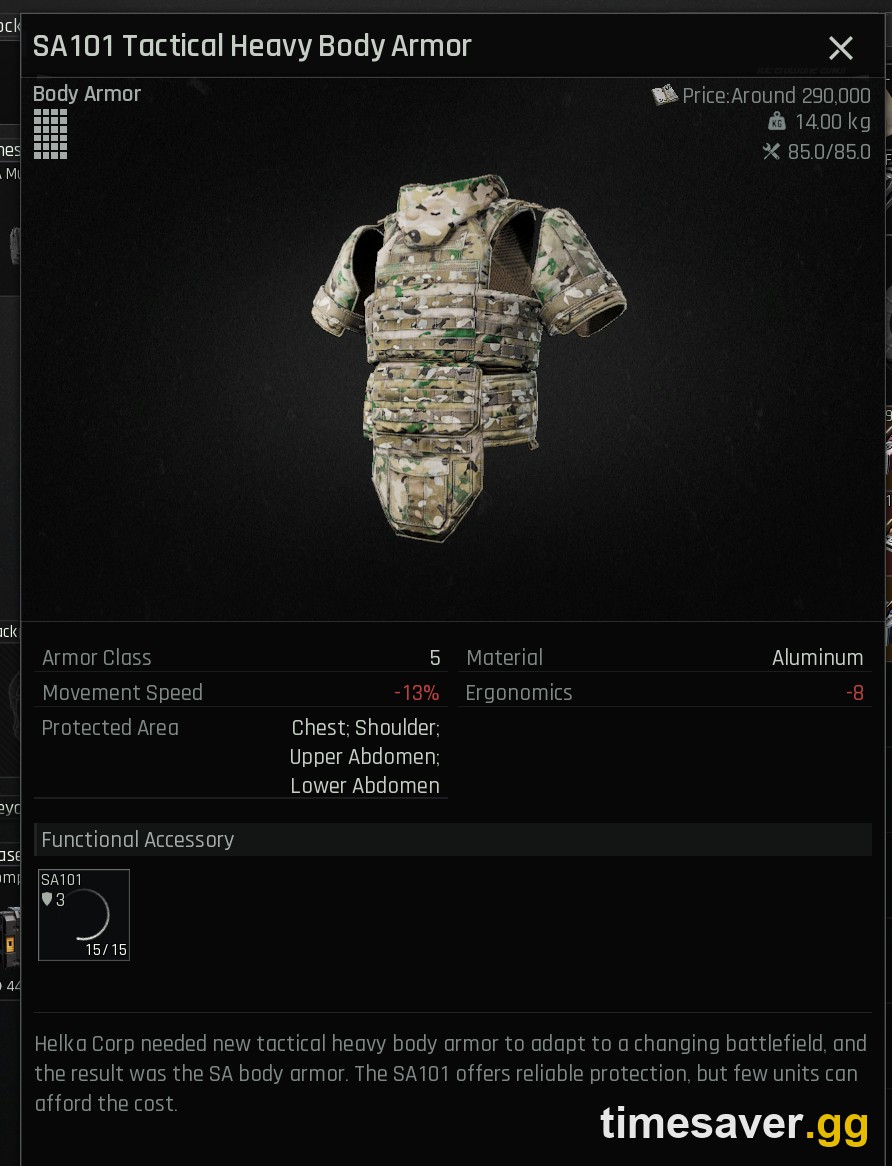
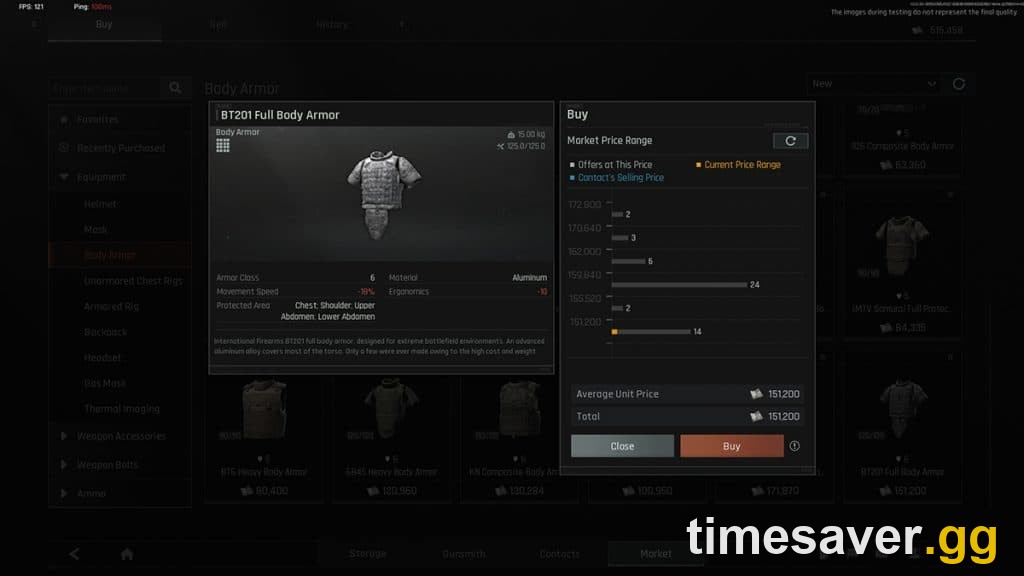
Armor in ABI is graded on a six-class system, Class 1 through Class 6, where Class 1 is the lowest level of protection and Class 6 is the highest (confirmed by Charlie Intel's armor breakdown and reflected in Morefun's own patch language, which refers to "Class V and Class VI body armor"). The class is the headline number, but three other stats decide whether a vest actually keeps you alive:
- Durability — a pool that drops every time a round strikes the plate. Lower current durability = higher chance the next round passes through, regardless of class. This is why a Class 6 vest at 10% durability can get drilled by ammo that would never have touched it at full.
- Material — ceramic and composite resist penetration best but are expensive to repair; steel is cheap and tough but heavy; aramid and polyethylene are light but weaker against armor-piercing rounds. The same hit chews different amounts of durability depending on the material.
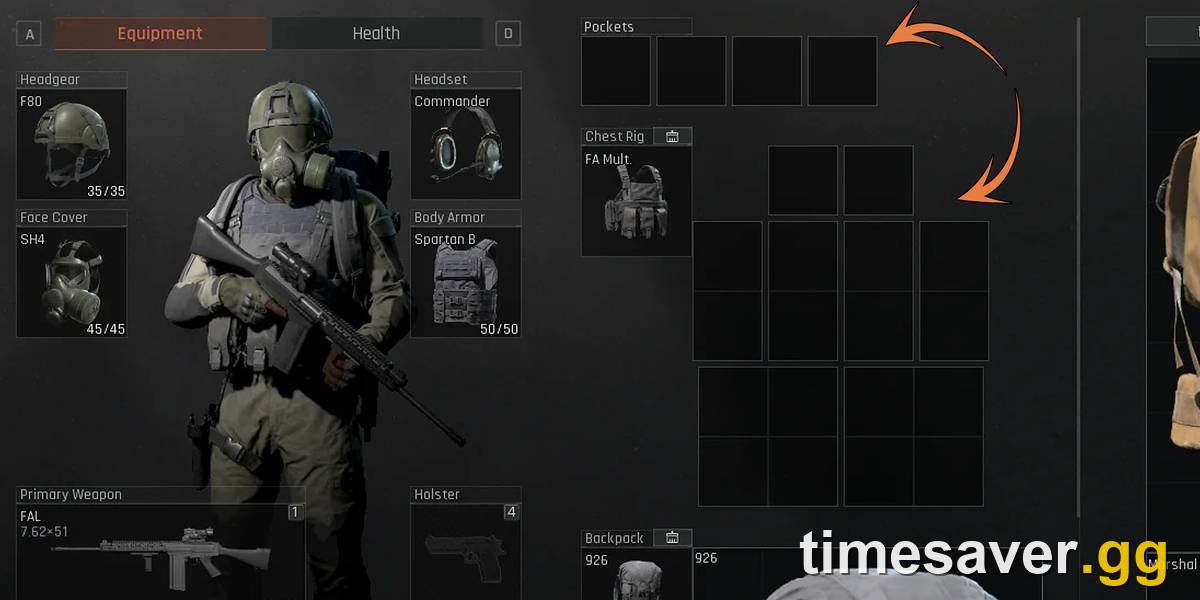
- Coverage — armor protects the chest, upper abdomen, and lower abdomen; helmets handle the head and face. A high-class vest with poor coverage still leaves you one well-placed round from a bleed-out.
The interaction that matters most is Pierce Level versus Armor Class. A round's Pierce Level (derived from its raw Penetration stat) is compared against the Armor Class it hits. If your enemy's ammo out-tiers your armor, you take closer to full damage; if your armor out-tiers their ammo, you shrug off most of it — until your durability drops. For the full ammo side of that equation, see our Arena Breakout Infinite ammo and armor guide.
What Season 7: Utopia changed about armor
This is the part every stale guide gets wrong. Season 7 made two changes that rewrite how you pick armor:
1. T5/T6 armor-penetration RNG was removed. The Season 7 reveal lists "Removed T5/T6 Armor Penetration RNG" as an official balance line, and the launch patch spells it out: "Removed the low-probability penetration effect of ammo against Class V and Class VI body armor and armored rigs. It now requires reducing the armor durability to a certain threshold before achieving consistent penetration." In plain terms: under-tier ammo used to occasionally "lucky-pen" a Class 5 or 6 plate on a lucky roll. That lifeline is gone. Now under-tier ammo has to grind the armor's durability down to a threshold before it starts passing through reliably. High-class armor is strictly tankier in Season 7 than it was in Season 6.
2. Mode-based ammo and gear cap. Season 7 introduced a hard gear ceiling per mode: Normal is capped at Tier 4 and below, and Lockdown is capped at Tier 5 and below. You physically cannot bring a Class 6 vest into a Normal raid. That single rule decides most of your armor shopping before stat-sheets ever come into it.
Pair those two facts and the meta is obvious: in the modes where you can bring top-tier armor (Lockdown and Forbidden Zone), it now survives longer, so the gap between "I brought good armor" and "I brought cheap armor" got wider.
Best armor by mode and budget (Season 7)
Because of the gear cap, the honest "best armor" answer is per mode, not one universal pick. Here's the framework:
| Mode | Gear cap | Recommended armor class | Why |
|---|---|---|---|
| Normal | Tier 4 and below | Class 4 | Highest you're allowed to bring; Class 4 is the budget-to-mid sweet spot and widely cited as the best value-per-Koen plate. Anything Class 5+ is blocked. |
| Lockdown | Tier 5 and below | Class 5 (Class 4 as a budget run) | Class 5 is now your ceiling and your workhorse; post-S7 it eats under-tier ammo until durability breaks. |
| Forbidden Zone | No class cap | Class 6 | The only place Class 6 is legal, and the only place the S7 anti-RNG buff fully pays off. Bring it when the loot ceiling justifies the loss. |
On naming specific vests: community and farm sites love to hand you a single "best Class 6 vest" name, but ABI rotates specific armor models and their repair economics across seasons, and the only sources listing exact model stats are undated third-party scrapes. Rather than feed you a model name that may already be stale, the durable advice is: pick the highest class your mode allows, prioritize a ceramic/composite plate for raids you expect to survive, and a cheap steel plate when you're running a throwaway kit. That rule holds through balance patches; a model name doesn't.
Durability: the stat that decides your second fight
New players buy the highest class they can and assume they're safe. Veterans watch durability, because armor is a consumable, not a permanent stat. Every hit your plate absorbs lowers its current durability, and once it drops low enough, even under-tier ammo starts getting through — which is exactly the mechanic Season 7 leaned into when it removed lucky-pen and replaced it with a durability threshold.
Three practical rules:
- Check durability before you commit to a fight you don't have to take. A Class 5 vest at 30% durability is behaving like a much lower class.
- Repairing restores durability but lowers the maximum. Each repair permanently shaves the ceiling, so a heavily-repaired plate is worth less than its class suggests — a real factor when you're deciding whether to sell, repair, or trash a looted vest.
- Shoot the plate, not around it, when you're the attacker. Dumping rounds into the same armored zone drains durability fast and is the intended counter to high-class armor now that RNG pen is gone. If you can't break it, go for limbs or the head.
Armor vs. movement: the trade you're actually making
Class is not free. Heavier, higher-class full-body armor carries a movement-speed penalty — light pieces cost you only a few percent, while heavy Class 5–6 full-body rigs can slow you 15–18% or more (third-party testing figures; treat as directional, not official). That penalty compounds with your backpack and weapon weight, and it changes how fast you rotate, peek, and reposition.
The takeaway: the "best" armor is not automatically the heaviest. In a fast map or an aggressive playstyle, a lighter Class 4 that lets you win the first-shot timing can out-perform a Class 6 brick that gets third-partied because you couldn't reposition. Match armor weight to how you actually play, not to the stat sheet.
Is heavier armor pay-to-win? No — and here's the economy reality
Armor in ABI is bought and looted with Koen, the in-raid currency — and you cannot buy Koen with real money. Morefun removed the Koen-purchase system at the 1.0 launch in September 2025, shifting entirely to earning resources through play. So nobody is buying their way into a Class 6 wall; they're farming the Koen for it. If you're trying to afford better plates, the lever is Koen income, not your wallet — see how to make Koen fast in Arena Breakout: Infinite and the best barter trades for the item-for-item routes that unlock high-tier gear a Loyalty Level earlier than straight cash.
One brand-safety note worth stating plainly: there is no legitimate third-party shortcut to Koen or gear. Morefun's anti-RMT enforcement confiscates illicitly obtained Koen and gear and bans buyers as well as sellers, up to ten-year bans. Earn your armor in raid.
FAQ
What are the armor classes in Arena Breakout: Infinite? ABI uses a six-class armor system, Class 1 through Class 6, where Class 1 is the lowest protection and Class 6 is the highest. The class determines how much a round's Pierce Level has to out-tier it before penetrating reliably, but durability, material, and coverage all affect real-world survivability.
What is the best armor in Arena Breakout: Infinite in Season 7? It depends on your mode, because Season 7 caps gear: Normal allows Tier 4 and below (so Class 4 is your best legal option), Lockdown allows Tier 5 and below (run Class 5), and Forbidden Zone has no cap (bring Class 6). Prefer a ceramic or composite plate for raids you intend to survive and a cheap steel plate for throwaway kits.
Did Season 7 make Class 6 armor stronger? Effectively yes. Season 7 removed the low-probability penetration effect of ammo against Class 5 and Class 6 body armor and armored rigs. Under-tier ammo can no longer get a lucky penetration; it has to reduce the armor's durability to a threshold first, so top-class armor is tankier than it was in Season 6.
Why does my high-class armor still get penetrated? Almost always durability. As a plate takes hits its current durability falls, and lower durability means a higher chance any round passes through, regardless of class. A Class 5 or 6 vest at low durability behaves like a much weaker one. Check durability before taking optional fights, and attack an enemy's armor repeatedly to break it down.
Should I repair armor or sell it? Repairing restores durability but permanently lowers the maximum durability, so a heavily repaired plate loses value and effectiveness over time. For high-class ceramic/composite armor it's often worth repairing once or twice; for cheap steel plates it's usually better to run them until they're spent and replace them.
Does better armor slow you down? Yes. Higher-class, heavier full-body armor carries a movement-speed penalty that can reach the high teens in percent on the heaviest Class 5–6 rigs, on top of your other carried weight. In fast or aggressive play, a lighter Class 4 that preserves your mobility can outperform a slower Class 6.
Armor and ammo balance in Arena Breakout: Infinite is adjusted every season. Figures and rules in this guide are current for Season 7: Utopia (live since September 16, 2026) and should be re-checked at the next season boundary. For more Arena Breakout: Infinite guides, see our ammo and armor Pierce Level guide, best budget loadout, and best guns for Season 7.