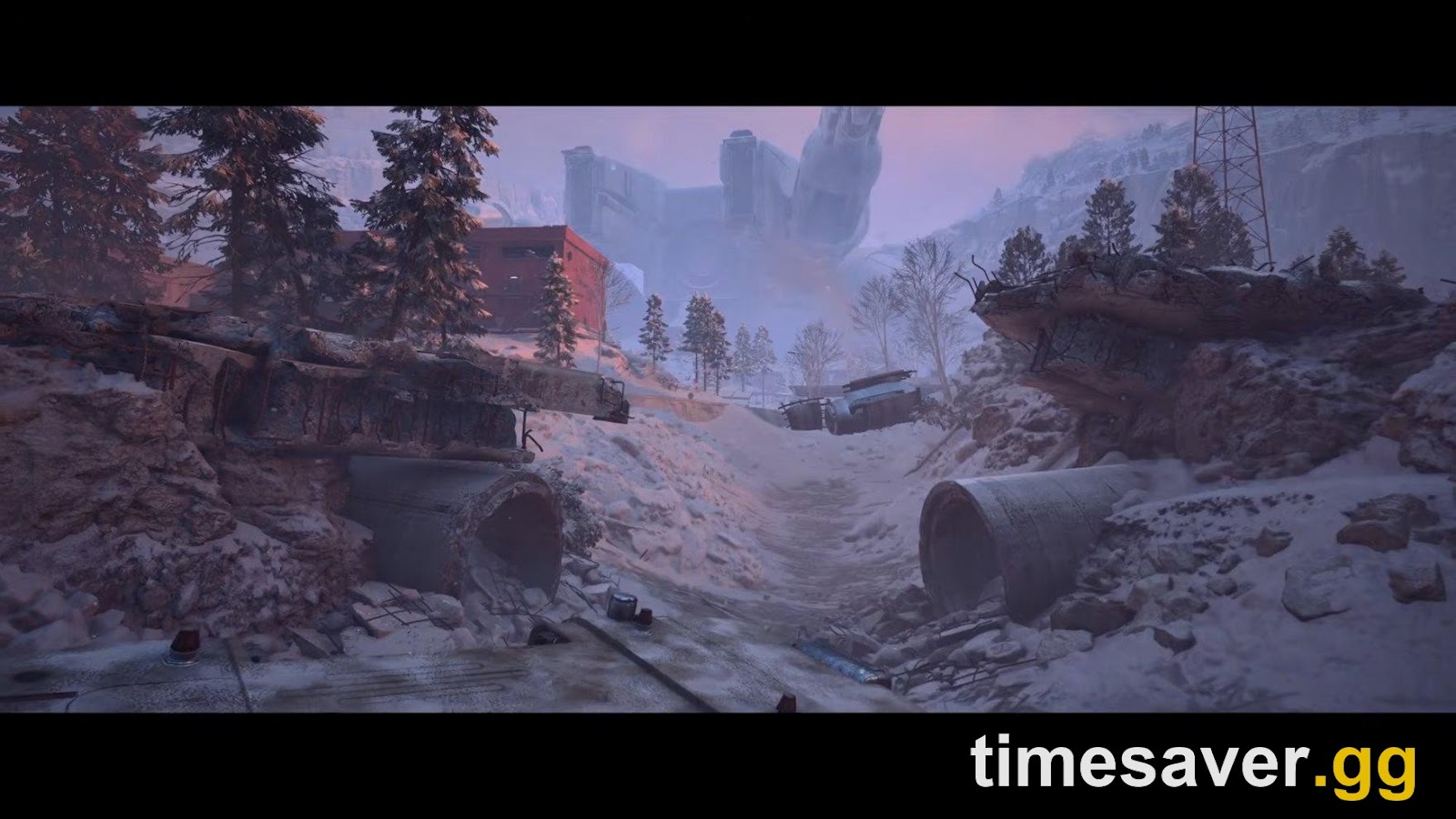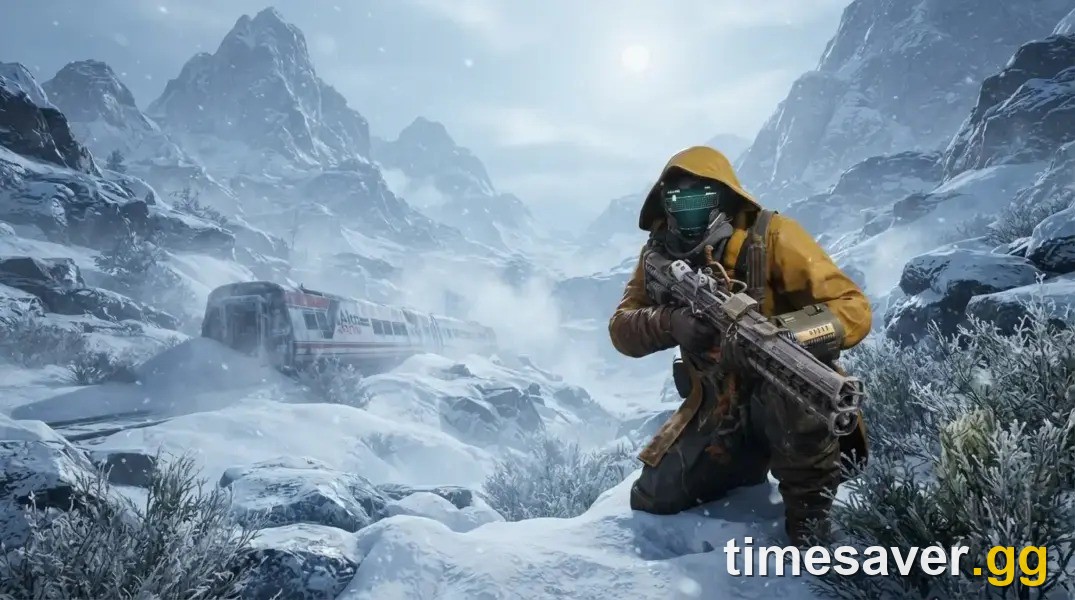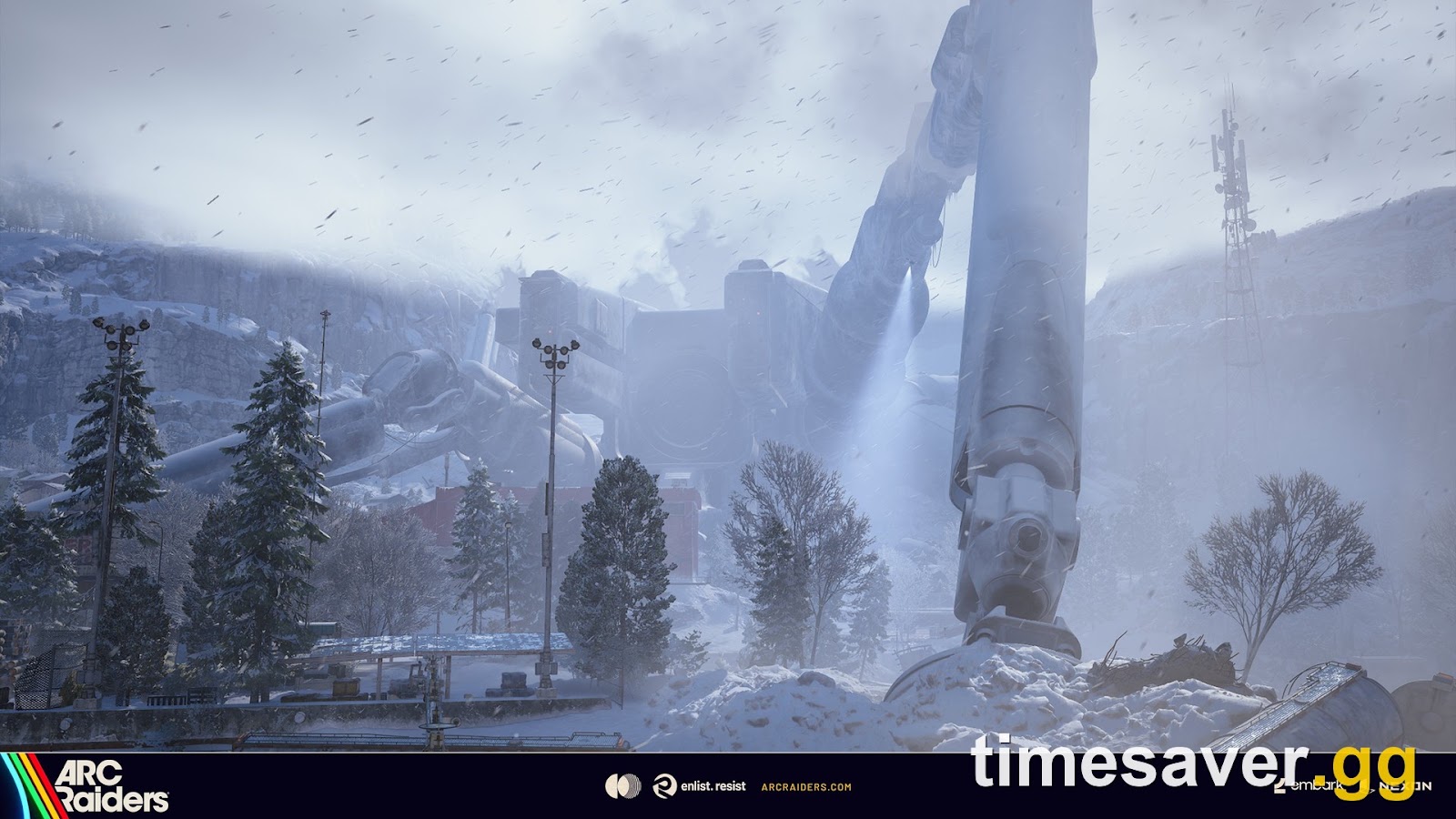
ARC Raiders' Flash Freeze is the headline survival mechanic arriving with the Frozen Trail update on October 8, 2026, and it is the single biggest reason Pendola Pass plays nothing like the maps you already know. It is a dynamic weather event that can sweep the valley mid-raid, and when it lands you have a narrow window to reach cover or an Avalanche Shelter before the cold starts carving through your health. Get caught in the open and you die to the weather, not a rival.
If you read the Frozen Trail reveals and thought "wait, the weather can kill me?" or "what even is an Avalanche Shelter?" — this guide answers exactly that, verified against the official Frozen Trail First Look and the ARC Raiders Wiki, plus how to turn the freeze into a loot and extract advantage instead of a death sentence.
ARC Raiders - Blueprints
Get blueprints in 10 minutes
Quick answer: What is Flash Freeze in ARC Raiders?
Flash Freeze is a dynamic weather condition exclusive to the new Pendola Pass map in the Frozen Trail update (October 8, 2026). You get a warning before it hits; once it does, any Raider left exposed on the surface takes damaging cold and must reach indoor cover or an Avalanche Shelter to survive. The ARC Raiders Wiki describes it as a harder, map-integrated version of the existing Cold Snap condition. Avalanche Shelters open as a freeze approaches and hold loot — which means they also pull in rival squads.
In short: the map itself becomes a threat, and the "safe" spots are the most contested spots on Pendola Pass.
How Flash Freeze works
Flash Freeze is built on top of a mechanic ARC Raiders players already know. Cold Snap — the seasonal winter condition that has rotated through Dam Battlegrounds, Buried City, Spaceport and The Blue Gate — made the case plainly in the December 2025 update notes: "The freezing weather will cut your Raider down in minutes unless you get indoors or heal up quickly." Frostbite, slippery footing on frozen water, and reduced visibility all came with it.
Flash Freeze takes that framework and bolts it permanently onto Pendola Pass as a harder version, per the ARC Raiders Wiki. The key differences that matter for your raid:
- It is dynamic and unpredictable. Flash Freeze can trigger at any point during a match. As the guides site games.gg put it, "it's unpredictable by design, so you can't just plan around it." You cannot schedule your route around a safe-weather window the way you might with a fixed condition.
- You get a warning. Raiders receive an in-game indication before a Flash Freeze lands. That warning is your whole survival budget — the gap between the alert and the cold biting is your time to reach cover.
- Exposure deals damaging cold. Once the freeze is active, standing in the open steadily drains your health. This is weather damage, not enemy fire, so armor and cover from ARC do not save you — only getting indoors does.
- Cover means buildings or shelters. Any interior counts, but Pendola Pass adds dedicated Avalanche Shelters that activate specifically for the freeze.

What are Avalanche Shelters?
Avalanche Shelters are purpose-built safe structures on Pendola Pass that open as a Flash Freeze approaches. They do two jobs at once, and the second one is where it gets dangerous:
- Protection. Stepping inside a shelter stops the cold damage, exactly like any other interior. They are the designed answer to a freeze when no building is nearby.
- Loot. Shelters can contain valuable loot. That reward is the hook — and the trap.
Because a freeze forces every exposed Raider toward the nearest safe point at the same time, a single Avalanche Shelter can become a pressure cooker. The devs leaned into this: when the weather turns, several squads may converge on the same shelter, and one small room full of loot plus three stressed Raiders is how fights start. Treat a shelter as a contested objective, not a time-out.
How to survive a Flash Freeze: 5 rules
Here is the practical playbook for your first Pendola Pass raids. None of this requires special gear — it requires knowing where cover is before the alert fires.
| Rule | Why it matters |
|---|---|
| Pre-map your cover | The warning gives you seconds, not minutes. Know the nearest building or shelter from wherever you are standing, always. |
| Don't fight in the open during a freeze | Cold damage ticks while you trade shots. The Raider who breaks for cover first usually wins — the one who stays loses to the weather. |
| Clear a shelter before you relax | Shelters pull crowds. Enter ready to fight, check corners, then loot — not the other way around. |
| Carry mobility | The Grappling Hook and Snap Hook pull you to cover fast; the Powered Descender gives a controlled, wind-up descent down Pendola Pass's verticality. Going in, mobility gadgets look like the most underrated Frozen Trail addition for reaching shelter in time. |
| Keep heals ready | If you eat cold damage reaching cover, top up immediately — the next freeze or a rival won't wait for you. |
The mental model: Flash Freeze is a repeating timer you don't control. Every time you move, you should already know the answer to "if the alert fires right now, where do I run?"
ARC Raiders - Materials
Get materials in 10 minutes
Flash Freeze vs Cold Snap: what changed
If you raided through a Cold Snap, you have the instincts — but don't assume they transfer one-to-one.
- Scope. Cold Snap is a rotating condition that visits several existing maps. Flash Freeze is map-integrated and exclusive to Pendola Pass — it is part of what the map is, not a seasonal visitor.
- Difficulty. The Wiki flags Flash Freeze as a harder version of Cold Snap. Expect the exposure pressure to be less forgiving.
- Dedicated shelters. Cold Snap sent you scrambling for any interior. Pendola Pass gives you purpose-built Avalanche Shelters that open on the freeze — safer, but also loot-baited and crowded.
- Pairing with other conditions. Pendola Pass also runs Redirection, a secondary condition where Raiders use a Transmitter to pull Harvester Payloads toward their position. A freeze plus a payload fight at the same time is the kind of chaos Frozen Trail is built around.
Stock up before Pendola Pass drops
Surviving Flash Freeze is about cover and tempo, but the moment you start fighting over Avalanche Shelters you'll burn through heals, ammo and gear fast — and the week around the October 8 launch is the worst time to be caught short. If you want to drop into Pendola Pass already kitted instead of grinding the Rust Belt first:
Short on materials or gear before Frozen Trail? Skip the pre-patch grind and land ready for the cold:
- ARC Raiders Materials — stock up on the resources you'll burn through fighting over shelters, delivered fast
- ARC Raiders Blueprints — unlock rare weapons and gear before you drop into the cold
- All ARC Raiders services — leveling, carries, materials and more
FAQ
What is Flash Freeze in ARC Raiders? Flash Freeze is a dynamic weather condition on the new Pendola Pass map, added in the Frozen Trail update on October 8, 2026. When it triggers, Raiders exposed on the surface take damaging cold and must reach indoor cover or an Avalanche Shelter to survive. The ARC Raiders Wiki describes it as a harder, map-integrated version of the existing Cold Snap condition.
How do you survive a Flash Freeze? Get indoors before the cold starts biting. You receive a warning before a freeze lands — use that window to reach the nearest building or Avalanche Shelter. Standing in the open drains your health, so don't fight exposed during a freeze; break for cover first and heal up if you took damage on the way.
What are Avalanche Shelters? Avalanche Shelters are dedicated safe structures on Pendola Pass that open as a Flash Freeze approaches. They protect you from the cold and can contain loot, which means multiple squads often converge on the same shelter when the weather turns — treat them as contested points, not safe rooms.
Is Flash Freeze the same as Cold Snap? No. Cold Snap is a rotating seasonal condition that has appeared on Dam Battlegrounds, Buried City, Spaceport and The Blue Gate. Flash Freeze is exclusive to Pendola Pass, is built into the map permanently, and the Wiki describes it as a harder version of Cold Snap with its own dedicated Avalanche Shelters.
Can the weather actually kill you in ARC Raiders? Yes. The cold deals damage over time to any Raider left exposed once a freeze or Cold Snap is active. The December 2025 Cold Snap notes warned that freezing weather "will cut your Raider down in minutes unless you get indoors or heal up quickly," and Flash Freeze is a harder version of that mechanic.
When does Flash Freeze go live? It arrives with the Frozen Trail update on October 8, 2026, alongside the Pendola Pass map, the Ballistic Gondola extract, new ARC enemies and the Frozen Trail reward pass.