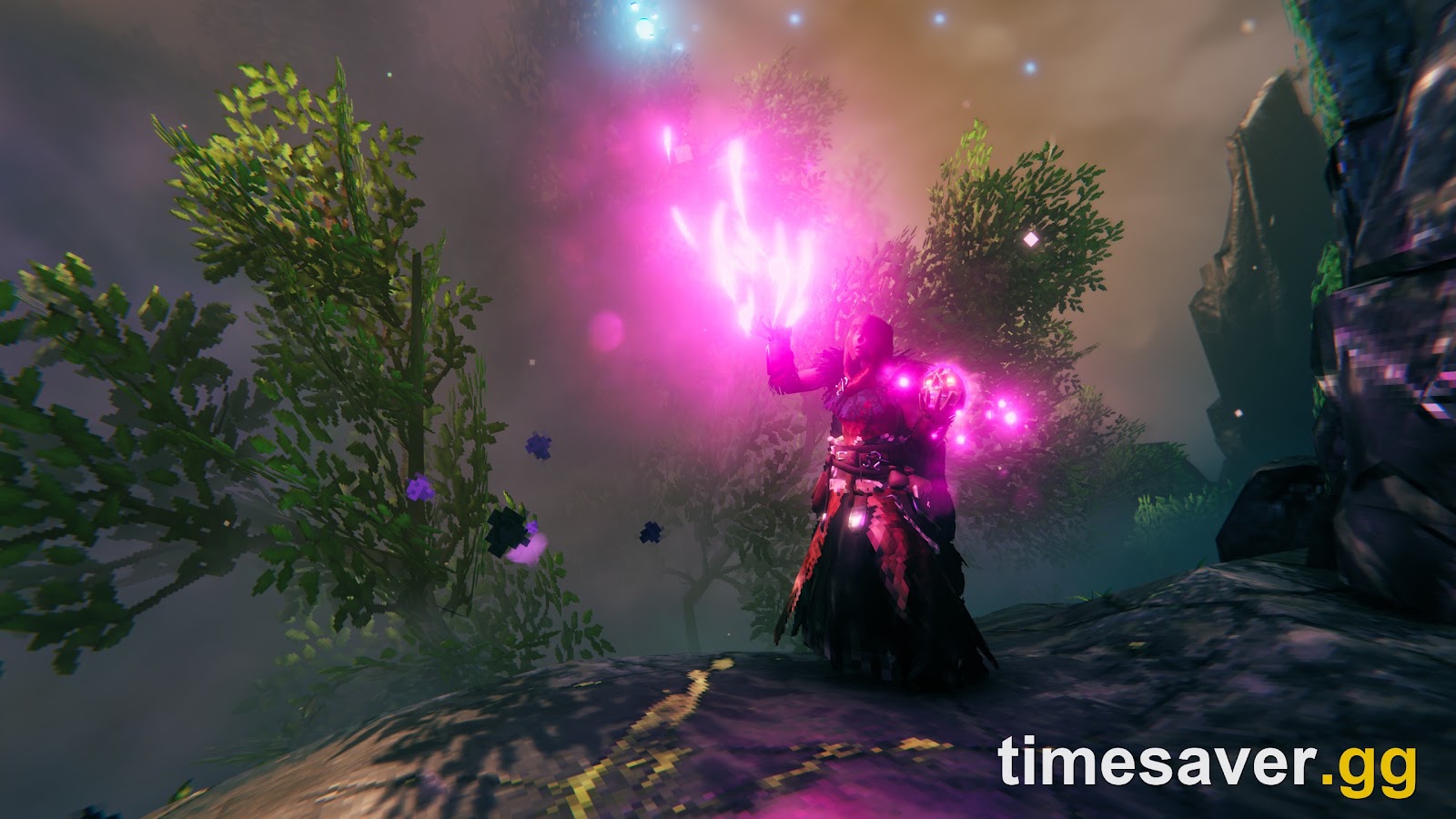
Quick answer: Magic in Valheim is a ranged, ammo-free combat style powered by Eitr, a resource you can only unlock after reaching the Mistlands and building an Eitr Refinery. You cast spells from staves crafted at the Galdr Table, wear Eitr-weave armor (Mistlands) or the stronger Embla set (Ashlands) to boost Eitr regeneration, and eat Eitr-type food like Magecap and Yggdrasil Porridge to keep the bar full. The best all-round mage loadout is the Staff of Embers for burst fire damage, the Staff of Frost as a cheap sustained spell (just 1 Eitr per cast for 30 frost damage), a summon staff like the Dead Raiser for a meat shield, and the Staff of Protection for a bubble when things go wrong. Magic is end-game: you cannot main it before the Mistlands. This guide is current as of patch 1.0.16.
Valheim left Early Access with its 1.0 launch on September 9, 2026, and most new and returning players arriving on PC, Xbox, PlayStation 5 and Switch 2 have never touched the magic system — because it is locked behind the game's sixth biome and ignored by most "getting started" guides. That is a mistake. Once you unlock it, magic turns the back half of the game into a different experience: ranged damage with no arrows to craft, a resource bar that refills itself, and summoned minions that tank for you.
This guide explains exactly how to unlock Eitr, which armor and food to use, every staff and what it is for, and the mage loadout that actually carries you from the Mistlands through the Ashlands and into the Deep North. Stat numbers below are stamped to patch 1.0.16 — Valheim's values shift between patches, so always check your in-game tooltips against the version you are on.
What is magic in Valheim, and why play a mage?
Magic is Valheim's spellcasting combat style, added in the Mistlands update and still the only true ranged option that does not consume ammunition. Instead of stamina or arrows, spells cost Eitr — a third resource bar that sits alongside Health and Stamina.
Three things make a mage strong:
- Ranged damage with nothing to carry. A bow eats arrows you have to farm and craft; a staff runs purely on Eitr, which regenerates on its own. After a long fight there is no ammo bill and no empty quiver.
- It runs off a separate bar. Because spells spend Eitr rather than Stamina, you keep your full stamina pool for dodging, sprinting and blocking while dealing damage. A melee build has to choose between attacking and dodging; a mage does both.
- Summons that tank for you. The summoning staves spawn skeletons or an undead troll that soaks aggro and adds damage, letting you kite from safety.
The trade-off is cost. Magic is resource-hungry and gated late — you have to reach the Mistlands, farm Dvergr materials, and keep an Eitr-food supply running. You cannot play a mage from the Meadows. Treat it as a mid-to-late-game pivot, not a starting class.
As Iron Gate put it when the system launched with the Mistlands, the update finally let players "raise skeleton minions, hurl fireballs, and freeze their enemies" — the first time Valheim's Vikings could fight with anything other than steel and arrows (Iron Gate / Valheim Mistlands announcement).
How to unlock magic: the Eitr requirement
You cannot use a single staff until you can produce Eitr, and that is a multi-step unlock that only becomes possible in the Mistlands, Valheim's sixth biome.
Here is the chain:
- Reach the Mistlands. It generates roughly 5,900–10,000 metres out from world centre, so you need a seaworthy boat and ideally Moder's tailwind power to get there.
- Gather Sap and Soft tissue. Sap comes from Yggdrasil roots (the giant glowing root structures), and Soft tissue is mined from the bright infested-rock deposits in the Mistlands.
- Build an Eitr Refinery. This station converts Sap + Soft tissue into Refined Eitr, the crafting currency for every staff and every piece of mage armor.
- Build a Galdr Table. This is the magic crafting station. Staves are crafted and upgraded here, not at the forge.
Only once you have Refined Eitr flowing can you make a staff — and a staff is useless until you also have an Eitr bar to spend, which brings us to food and armor.
Getting an Eitr bar: food and armor
A fresh character has zero maximum Eitr. Your Eitr pool is granted entirely by food and armor, exactly like Health and Stamina — there is no passive base Eitr.
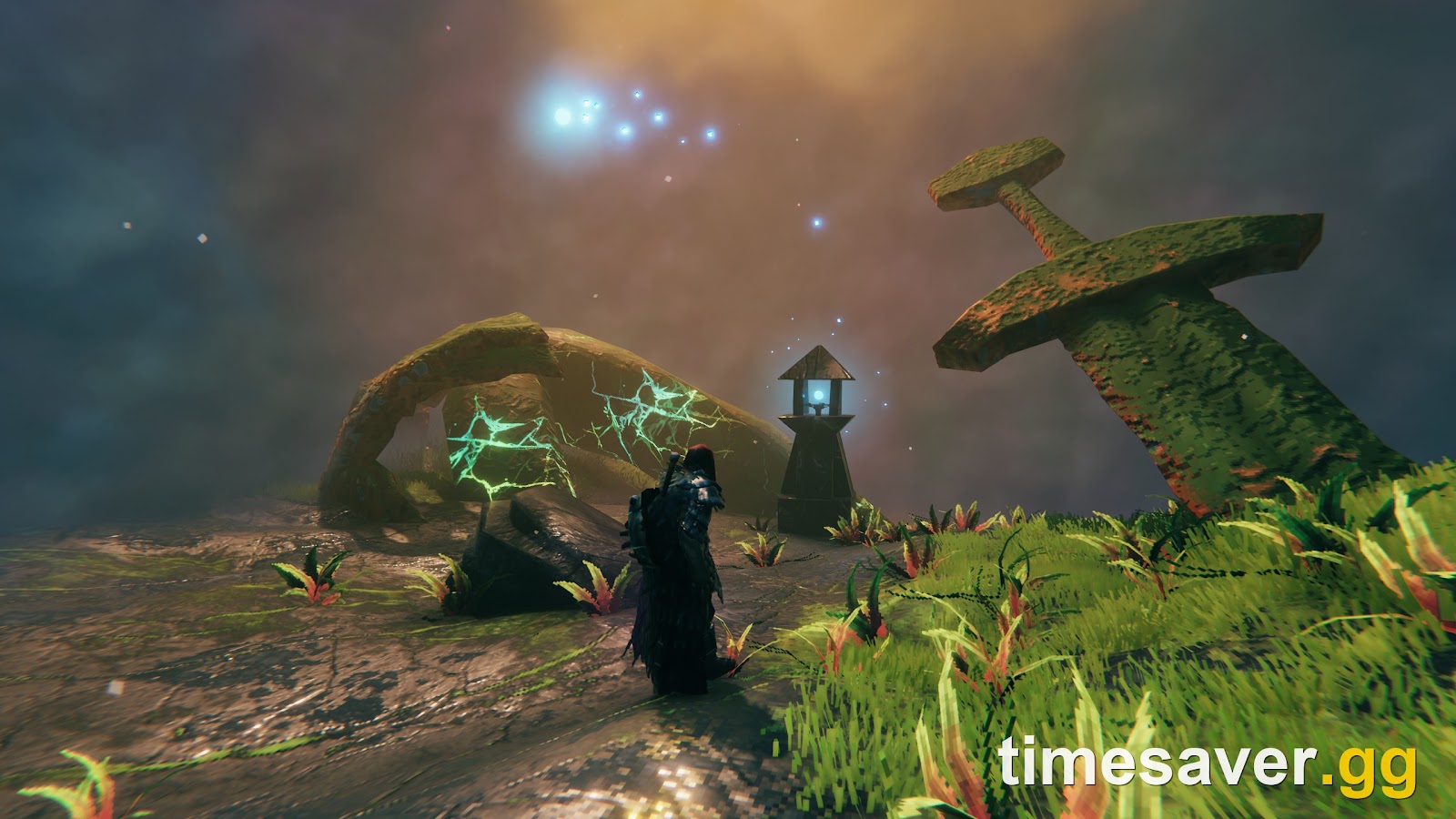
Eitr food (the blue fork). Valheim's food icons are colour-coded: red = Health, yellow = Stamina, blue = Eitr, white = balanced. To cast at all you need at least one blue food active. The core Eitr foods are:
- Magecap — a Mistlands mushroom, the simplest early Eitr food (eat it raw, or cook it up as Magecap Stew).
- Yggdrasil Porridge and Seeker Aspic — stronger Mistlands cooked foods that give larger Eitr pools.
- Misthare Supreme — a top-tier Mistlands meal with a big Eitr number.
Because Valheim lets you run three different foods at once, a mage typically runs two blue (Eitr) foods plus one health food, so you have a deep mana pool and still enough health to survive a hit. Remember Valheim food is a buff timer, not a hunger bar — there is no starvation; the buff simply decays and you re-eat to refresh it.
Eitr-weave armor (Mistlands). The Eitr-weave Set — Hood, Robe and Trousers — is the dedicated mage armor. It is a light armor: lower protection than the Carapace set but with far less movement penalty, and each piece grants Eitr regeneration (reported at roughly +20% from the hood and +40% each from the robe and trousers on current builds). That regen is why mages wear cloth instead of heavy plate.
Embla set (Ashlands). When you reach the seventh biome, the Embla armor set is the upgraded magic armor — higher protection than Eitr-weave while keeping the Eitr-regen identity. It is the mid-to-late mage's armor of choice heading into the Deep North.
Eitr meads. A Lingering Eitr mead, brewed via the Mead ketill and Fermenter, tops up Eitr regeneration over time — a useful extra for long fights.
Note on numbers: armor Eitr-regen percentages, food values and staff costs are community-measured and shift between patches. Treat the figures here as current-patch approximations (1.0.16) and confirm against your in-game tooltips.
The Galdr Table and the two magic skills
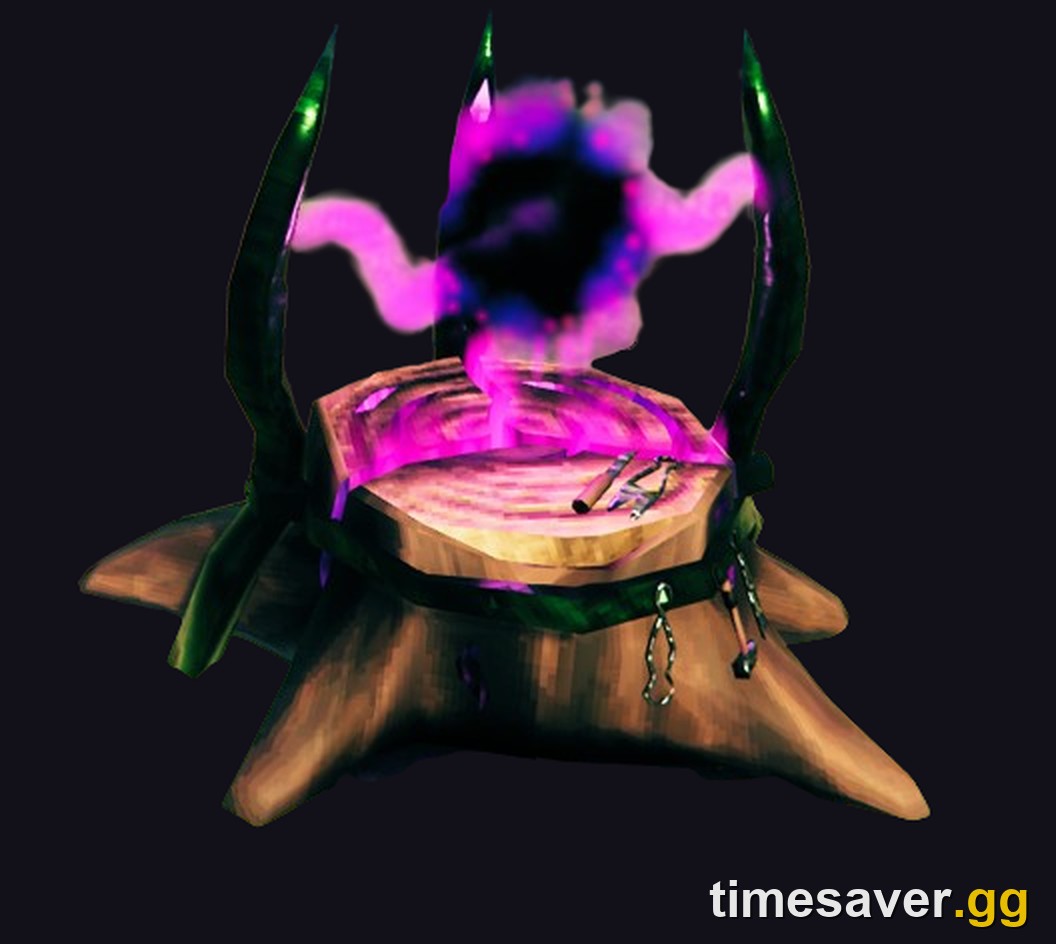
Every staff is crafted and upgraded at the Galdr Table, the Mistlands-era magic station. Upgrading the table (with Dvergr materials) unlocks higher staff crafting and upgrade levels, so a serious mage invests in leveling the table the same way a smith levels the forge.
Spells are governed by two skills:
- Elemental Magic — raised by casting the damage staves (Embers, Frost, Fracturing, Dundr and the Deep North elemental staves). Higher Elemental Magic increases damage and lowers the Eitr cost per cast.
- Blood Magic — raised by casting the utility/summon staves (Dead Raiser, Staff of Protection, Skeleton/troll summons). Higher Blood Magic improves summon strength and shield effectiveness.
Like every skill in Valheim, committing to one staff type pays off faster than swapping constantly — concentrated casting levels the relevant skill, which both raises your damage and drops your Eitr costs, making the build sustain itself.
Every Valheim staff and what it is for
Staves split into Elemental Magic (direct damage) and Blood Magic (summons and defence). Costs below are base Eitr per cast at current patch; the Elemental staves get cheaper as your Elemental Magic skill climbs.
| Staff | School | Role | ~Eitr cost | Tier |
|---|---|---|---|---|
| Staff of Frost | Elemental | Cheap sustained frost damage | ~1 (30 frost dmg) | Mistlands |
| Staff of Embers | Elemental | Burst AoE fireball | ~35 base → 24 at max skill | Mistlands |
| Staff of Fracturing | Elemental | Ground-burst spike damage | ~30 | Mistlands |
| Dundr | Elemental | Lightning bolt / anti-armor | ~25 | Ashlands |
| Dead Raiser | Blood | Summons skeleton minions | high base | Mistlands |
| Staff of Protection | Blood | Bubble shield around you | — | Mistlands |
Staff of Embers is the mage's main damage spell: a two-handed staff that launches a fireball dealing around 120 Blunt + 120 Fire in an area, costing 35 Eitr base and dropping to 24 Eitr at max Elemental Magic skill. Its AoE makes it brutal against clustered enemies but you must mind the splash — do not fire it point-blank.
Staff of Frost is the efficiency pick. At roughly 1 Eitr for 30 frost damage, it is by far the most sustainable spell in the game and the only one you can effectively spam on a modest Eitr pool. It is the backbone of a budget mage and still useful end-game against fire-weak targets.
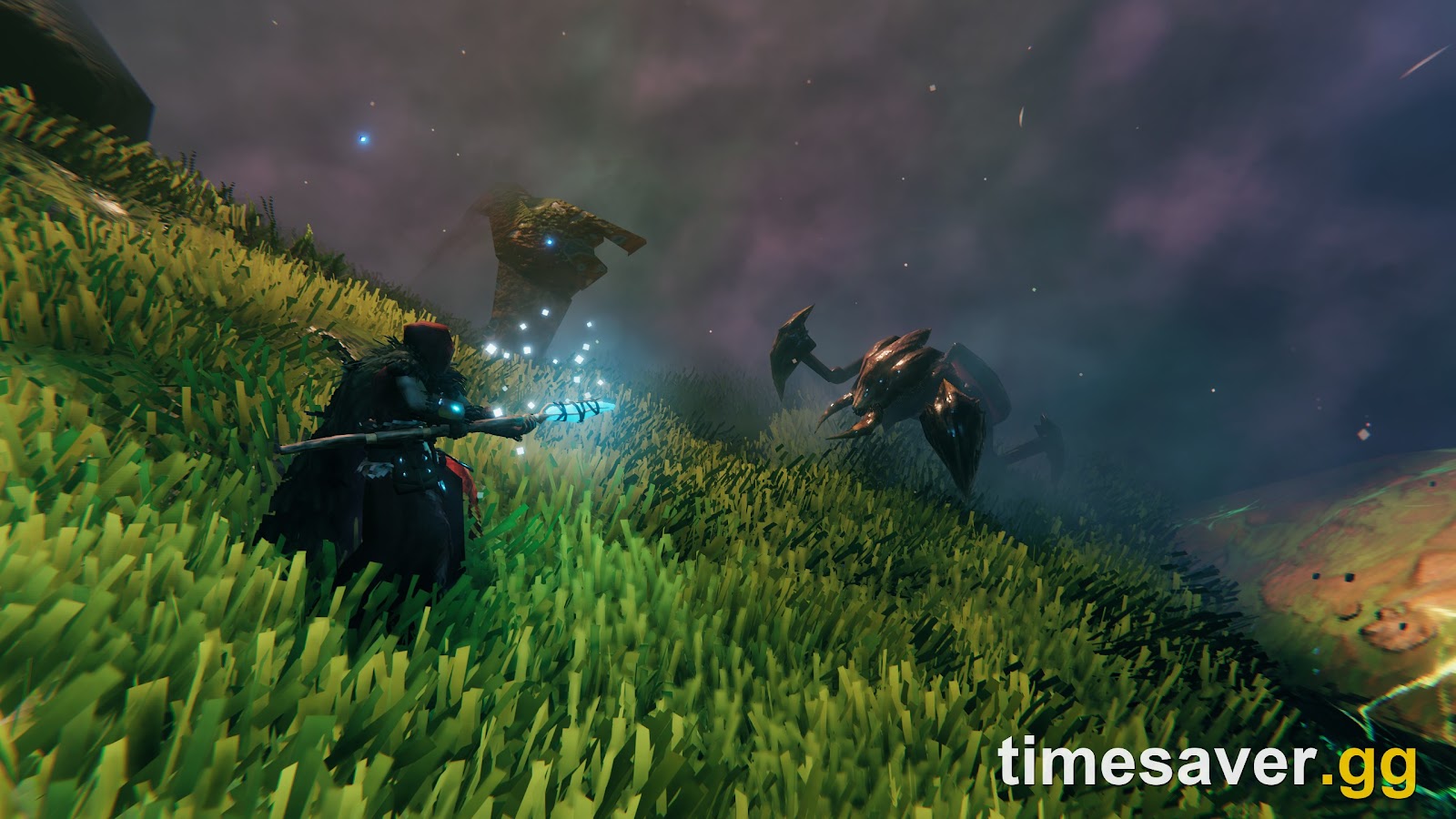
Dead Raiser (Blood Magic) summons skeleton minions — and an upgraded cast can summon an undead troll that enters with an explosion and tanks like a wall. Summons are what let a mage kite: let the minions hold aggro while you cast from range.
Staff of Protection (Blood Magic) throws up a damage-absorbing bubble around you — the panic button when a fight goes sideways, especially against bosses.
Deep North staves (1.0). Launch-window community guides report the 1.0 Deep North adds a final tier of staves — commonly listed as Echo Spike, Spirit Caller, Northern Vengeance and Lightning Strike. Iron Gate has not published a full staff-stat changelog, so treat these names and their numbers as community-sourced and provisional until the official notes confirm them. The system is the same: craft and upgrade them at the Galdr Table.
The best mage build (Mistlands → Deep North)
A reliable all-round mage carries four staves and the right support loadout:
- Primary damage: Staff of Embers for burst AoE; swap to Dundr (lightning) in the Ashlands for armored targets.
- Sustained / budget damage: Staff of Frost — spammable on a small Eitr pool, great while your skill is still low.
- Summon: Dead Raiser for a skeleton or undead-troll meat shield to hold aggro.
- Defence: Staff of Protection for the emergency bubble.
- Armor: full Eitr-weave in the Mistlands, upgrade to the Embla set in the Ashlands.
- Food: two blue Eitr foods (e.g. Misthare Supreme + Yggdrasil Porridge) plus one health food.
- Extras: a Feather Cape (crafted at the Galdr Table) negates fall damage and slows your descent — excellent for a kiting mage navigating Mistlands cliffs; and a Lingering Eitr mead for the regen top-up.
The gameplay loop: summon your minions, let them grab aggro, then kite backward casting Frost to sustain and Embers for burst. Drop a Protection bubble if you get cornered. Because spells spend Eitr and not stamina, you always have stamina in reserve for a Perfect Dodge Roll — which under the current Call to Arms combat model also builds Adrenaline, so a mobile mage still fuels the adrenaline/trinket system.
The single biggest mage upgrade is a Forsaken Power you earn in the Mistlands itself: beating the biome boss, The Queen, grants a power that gives +100% Eitr regeneration when activated (alongside −100% sneak stamina and −50% poison damage). Slot that power, pop it before a fight, and your casting economy roughly doubles — it is the clearest "magic gets good here" moment in the game.
For the biomes beyond the Mistlands, pair this build with the right gear — see our Valheim weapon tier list and armor tier list for where staves and Eitr-weave rank against melee options, the best food guide for Eitr-food combos, and the Deep North gear guide for the final-biome loadout.
Is a mage better than a melee or bow build?
Not strictly better — different, and strongest once you have invested in it. A fully kitted mage out-sustains a bow (no arrows) and out-positions a melee build (ranged + summons), but it is the most resource-dependent style: no Eitr food means no casting, and the armor is light, so a careless mage dies fast to a single big hit. Hybrid play is popular and valid — many players run melee or bow as their main damage and carry one or two staves (a summon for aggro, a Protection bubble for emergencies) as utility, eating just enough Eitr food to fuel those casts.
FAQ
How do you unlock magic in Valheim? You unlock magic by reaching the Mistlands (the sixth biome), gathering Sap and Soft tissue, and building an Eitr Refinery to make Refined Eitr, plus a Galdr Table to craft staves. You also need Eitr food (a blue-fork food like Magecap) to have any Eitr bar to spend. You cannot use magic before the Mistlands.
What is Eitr in Valheim? Eitr is the magic resource — a third bar alongside Health and Stamina that powers every staff. Your maximum Eitr comes entirely from Eitr-type food and mage armor; there is no base Eitr. It regenerates on its own, which is what makes staves ammo-free ranged weapons.
What is the best staff in Valheim? For raw burst, the Staff of Embers (big AoE fire-and-blunt damage); for efficiency, the Staff of Frost (about 1 Eitr per cast). A complete mage carries both, plus a summon staff (Dead Raiser) and the Staff of Protection bubble. The Deep North adds a final elemental tier in 1.0, but those stats are still community-sourced.
What armor should a mage wear in Valheim? The Eitr-weave Set (Hood, Robe, Trousers) in the Mistlands, which grants Eitr regeneration per piece, then the Embla set in the Ashlands for more protection with the same magic identity. Both are light armor, so positioning matters.
Can you play a mage from the start of Valheim? No. Magic is gated behind the Mistlands, so the earliest you can begin a mage build is after you have progressed through five biomes and defeated The Queen's predecessors. Treat it as a late-game pivot or a utility add-on to a melee/bow build.
Does magic work in multiplayer and crossplay? Yes — the magic system is part of the base game and behaves the same across platforms. As of patch 1.0.16 Iron Gate has restored crossplay across all platforms, including Switch 2, so a mage in your group plays identically whether they are on PC, Xbox, PS5 or Switch 2.
More Valheim guides: weapon tier list · armor tier list · best food guide · Deep North gear · Forsaken Power tier list.