The Blood of Dawnwalker packs its entire story into one valley — Vale Sangora, a fictional 14th-century pocket of the Carpathian Mountains — and that valley is carved into 10 named regions that range from your home village to a silver-rich capital and a red, ruined afterlife you only reach at the very end. It is not a sprawling 100-hour open world; it is a dense, hand-placed map of roughly 10 km² where almost every corner is tied to a quest, a boss, or a fast-travel shrine. This guide breaks down all 10 regions, what lives in each one, how big the map really is, and how the day/night cycle changes where you can go.
Quick answer: The Blood of Dawnwalker is set entirely in Vale Sangora, a valley split into 10 regions: Laslea Glen, Briar Sloughs, Maragir Wealds, Boar's Back, Svartrau Outskirts, Svartrau City, Rockfalls, St. Tyna's Grove, The Silts, and Tantari Woods, plus the endgame-only realm of Anachora. PowerPyx measures the explorable map at about 10 km² (~4 km by 3 km). There are 90+ fast-travel shrines, and traveling between active shrines is free — it does not cost you any of the 30-day clock's time segments.
How big is the map in The Blood of Dawnwalker?
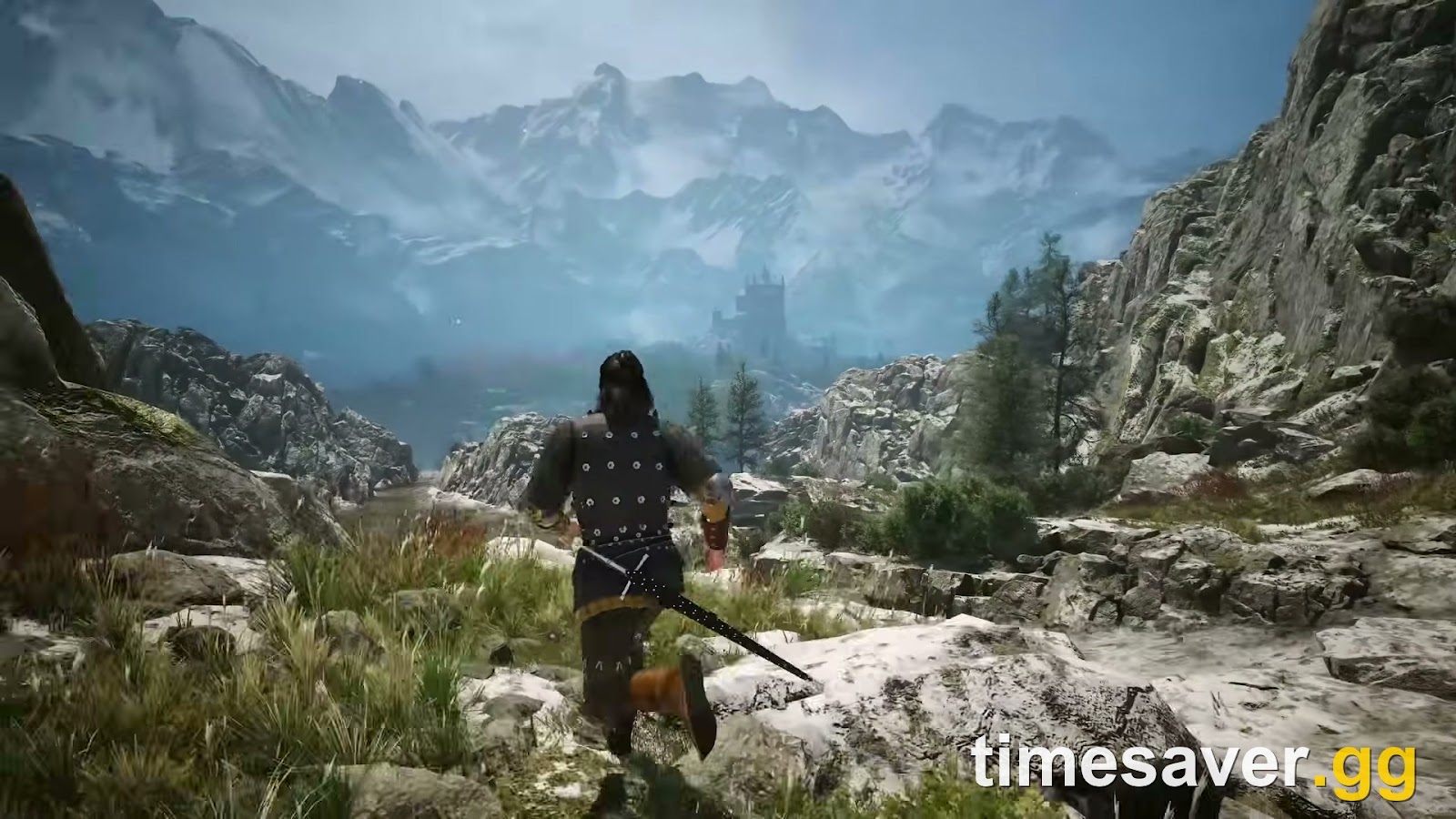
The explorable world of Vale Sangora measures around 10 km², according to PowerPyx's full-map breakdown, and launch guides such as showgamer describe it as a compact, dense valley rather than a wide-open sandbox. That is by design: Rebel Wolves built the map for density over sheer size, so the space is filled with quests, world bosses, merchants and hidden ruins rather than empty travel corridors.
For scale, the interactive community map at MetaBot.gg plots 859 markers across 28 layers — quest starts and objectives, merchants, camps and monster lairs — spread over the 10 regions. So while 10 km² sounds small, the number of things to actually do per square kilometre is high. Treat Vale Sangora like a tightly packed immersive-sim map, not a Witcher-3-sized landmass (a comparison worth making only because the studio was founded by Witcher 3 veterans, including its game director Konrad Tomaszkiewicz — the map philosophy here is deliberately smaller and denser).
What are all the regions in The Blood of Dawnwalker?
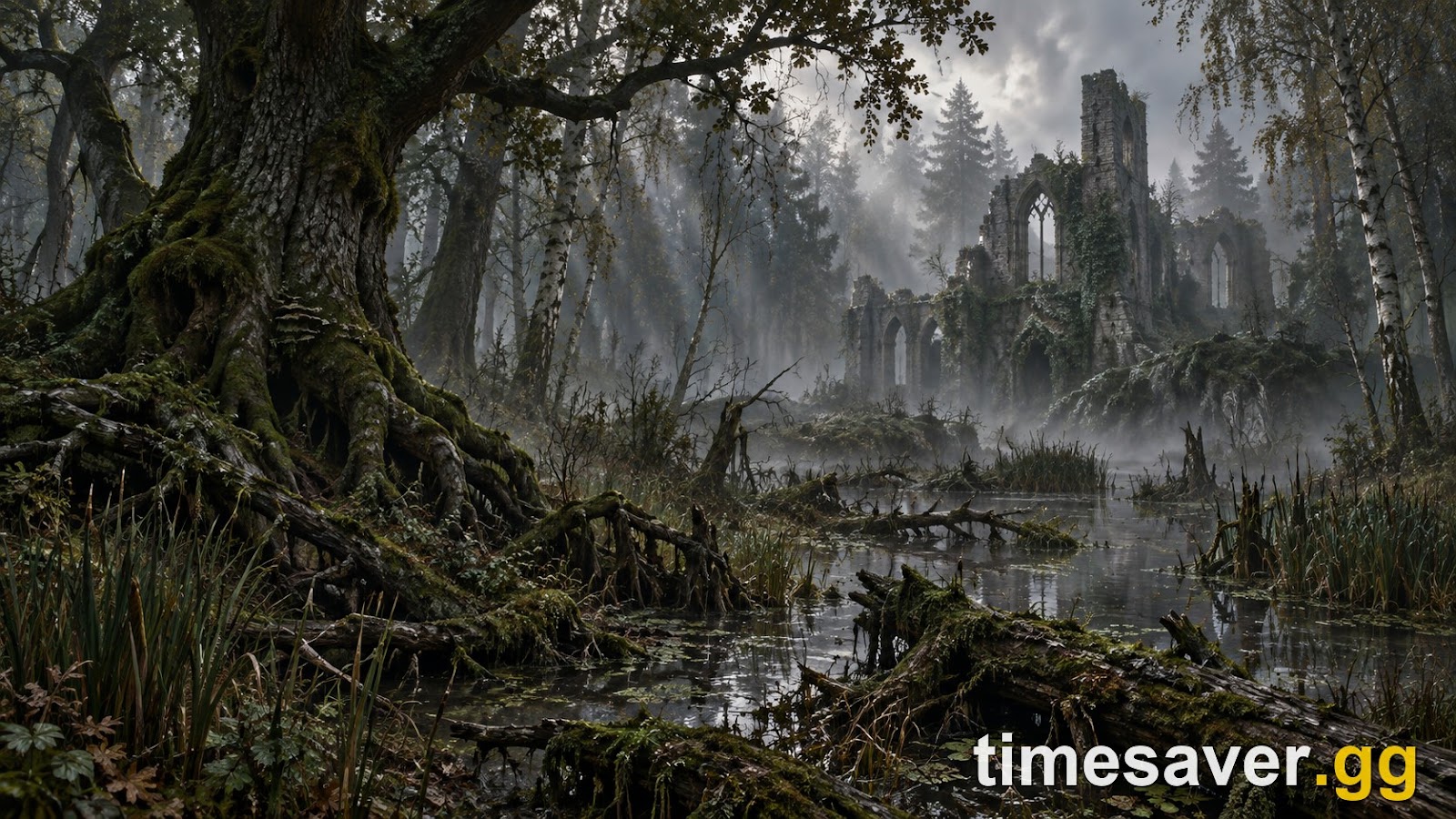
Vale Sangora is divided into 10 major regions, a count that is consistent across PowerPyx, MetaBot.gg and Game-Maps.com. Here is every region and what defines it:
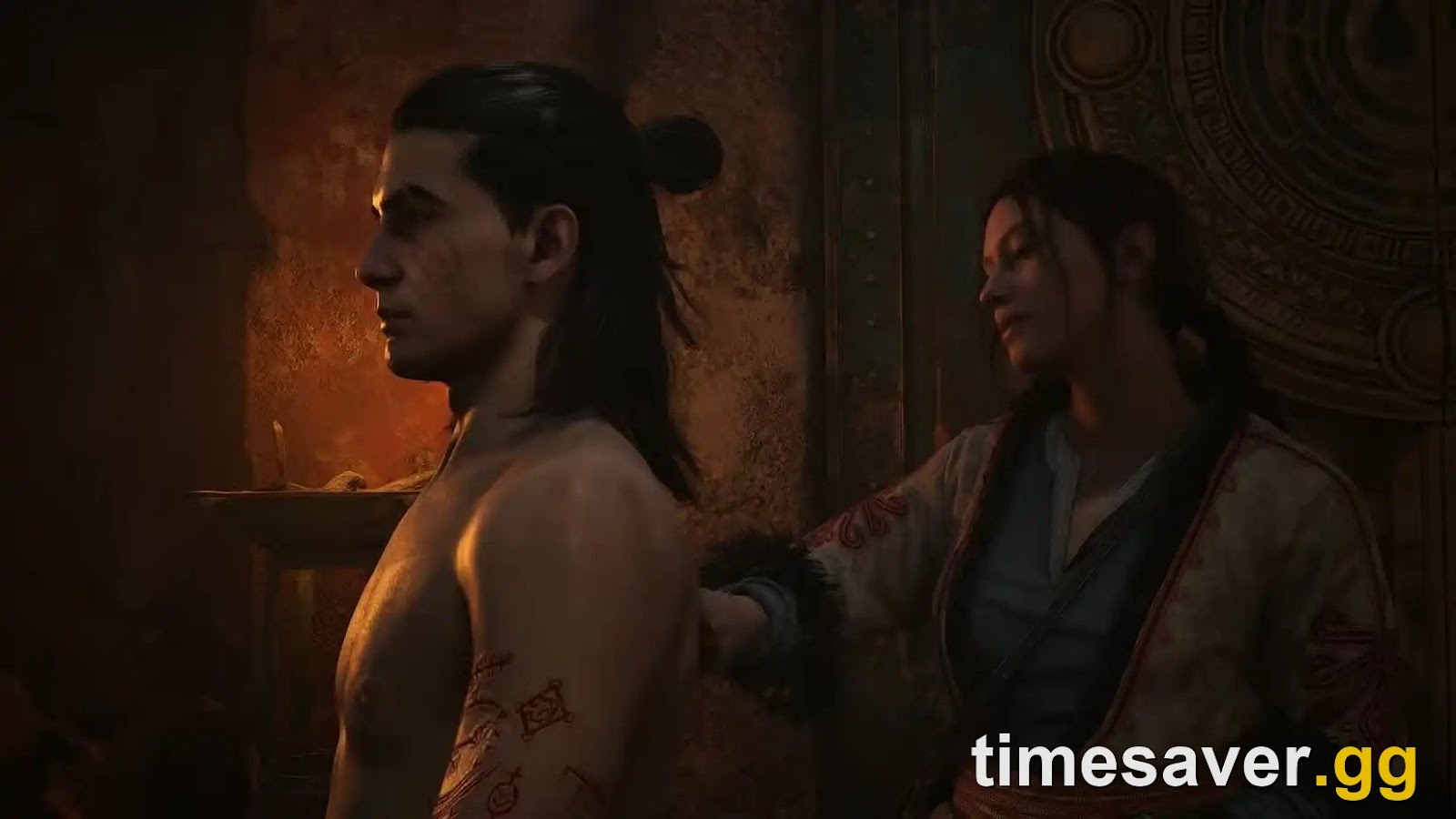
- Laslea Glen — the starting region and Coen's home. Once a silver-mining area, it was turned to farming and herding after Brencis closed the mines. This is where the prologue plays out, where you meet the herbalist Anca, and where the first Brencis fight happens at Laslea Glen.
- Briar Sloughs — treacherous, boggy wetlands. Home to the optional world boss Murohn the Malformed Monstrosity, and one of the valley's dangerous off-path exploration zones.
- Maragir Wealds — a dense, primeval forest, with the town of Maragir sitting inside it. The Great Bog Wurm world boss roams here.
- Boar's Back — rugged, elevated highland terrain.
- Svartrau Outskirts — the wealthy capital zone, built on the region's silver trade; the world bosses Rurg the Honourable and Ursul the Undefeated are found here (in the Outskirts, not the City itself).
- Svartrau City — the capital of Vale Sangora, a silver-rich city with an active daytime economy, a towering cathedral, and a vast underground network of cellars, smuggler routes and ancient ruins. This is the game's largest hub and the site of Xanthe's Cathedral fight.
- Rockfalls — a mountainous zone with named sub-areas like Pond Islet and Split Rock.
- St. Tyna's Grove — a historical and religious site housing the local convent; the world boss Leonica is found here.
- The Silts — a desolate, muddy geographical expanse.
- Tantari Woods — a heavily wooded territory hiding secrets, monster lairs and the remote village of Tantari.
There is also Anachora, which Game-Maps notes is not on the standard map — it's a mysterious spiritual realm, described as a red, ruined vampiric afterlife, that you only enter during the game's finale (the second phase of the final Brencis fight takes place there). Do not expect to explore it freely; it is a story-gated space, not an eleventh open region.
The main settlements and key locations
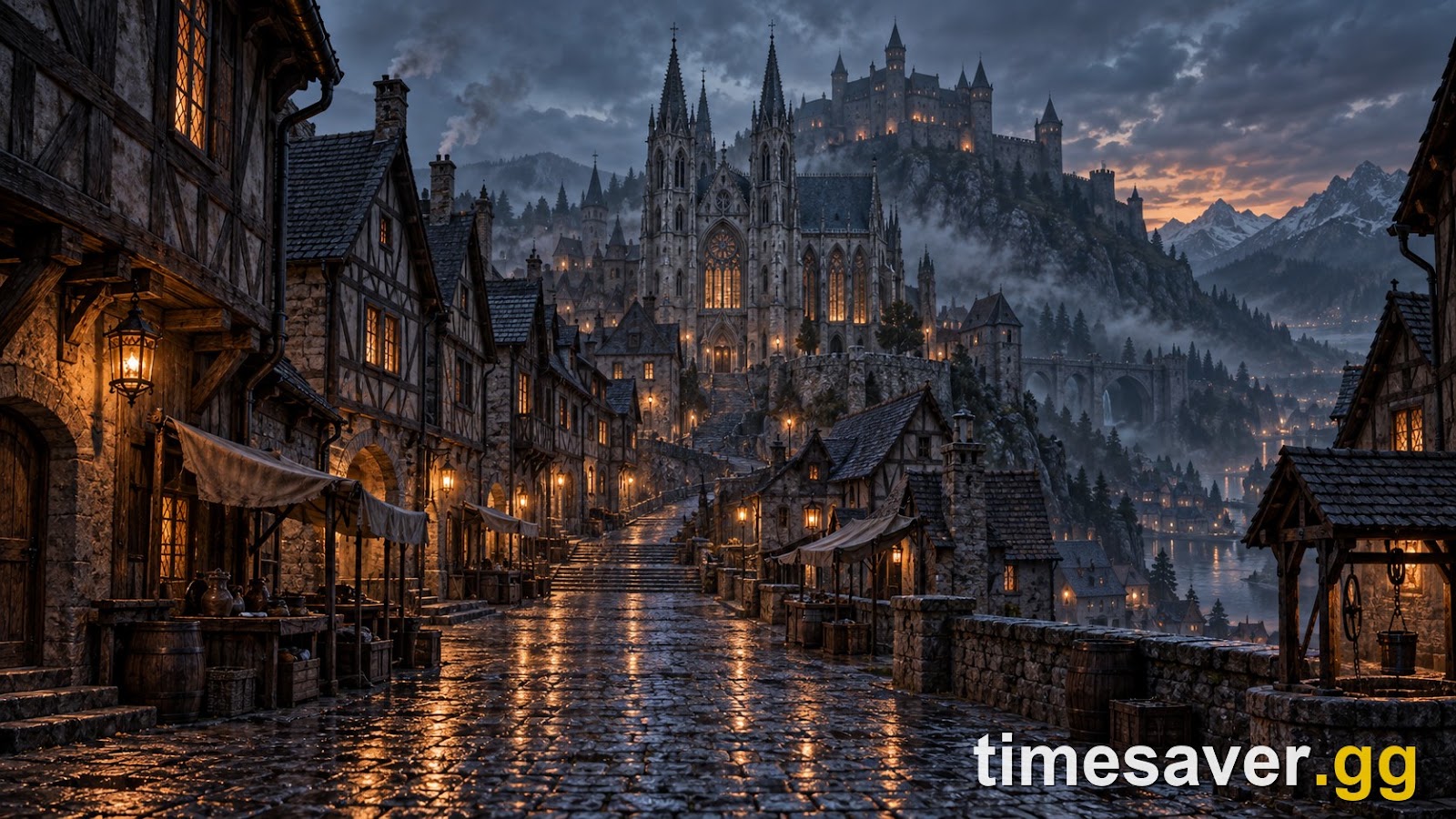
Beyond the regions themselves, Vale Sangora is dotted with settlements and landmark locations. The main settlements, per Game-Maps.com, are:
- Laslea — the quiet farming-and-mining village where the prologue takes place.
- Maragir — a town inside the Maragir Wealds forest.
- Parlita — a human village out in the wilderness.
- Svartrau City — the massive capital, with its cathedral and underground ruins.
- Tantari — a remote village hidden deep in the Tantari Woods.
- Oghasti — a small, isolated community.
- Uriash Village — a hidden Uriash settlement. You will not stumble onto it through normal exploration; it only unlocks after you finish the side quests A Friend Like This and Song of the Mountain (the same chain tied to Lacra's questline).
Visiting all of Vale Sangora's settlements reportedly unlocks the "Tour Guide Training" achievement, per Game-Maps.com. Notable named landmarks scattered across the valley include Greifberg Castle (also spelled Griefberg — the finale location; outlets differ on the spelling), Coen's House and Anca's Hut in Laslea, the Silver Mine, St. Clement's Monastery, St. Tyna's Convent, the Howling Keep, and Lunar Manor, among many others.
How do fast-travel shrines and the map work?
Vale Sangora has over 90 fast-travel shrines (MetaBot.gg counts 118 shrine markers in the game files, including destroyed ones), and they are the backbone of getting around the map. A few rules matter:
- You must discover a shrine before you can use it. Fast travel only works between already-active shrines — you cannot warp to one from a random spot in the world.
- Some shrines are "Destroyed" and must be repaired by finding their heart before they'll work as a travel point.
- Fast travel does not cost time. This is the crucial one for The Blood of Dawnwalker specifically: warping between shrines does not consume any of your 30-day clock's time segments, so you can crisscross the valley freely without burning your family-saving deadline. (Remember, in this game time is spent by taking major story actions, not by moving around — so travel is genuinely "free.")
- Shrines double as perk vendors. Beyond travel, road shrines are where you spend Skill Points to learn new Perks.
A practical routing tip: because the map is only ~10 km² but packed with markers, the most efficient way to clear a region is to light up its shrines first, repair any Destroyed ones you pass, and then fan out to the nearby quests and world bosses from those anchor points rather than walking the whole region on foot. Svartrau City is the single densest hub — its cathedral, cellars and underground ruins alone can eat an hour or two — so it pays to have several of its shrines active before you commit to exploring it.
If you want a live, filterable version of the map, the community interactive maps at MetaBot.gg and Game-Maps.com both plot every shrine, quest and merchant by region — useful for hunting down missable content on a completionist run. Just remember that some content is locked behind story progress or side quests (Uriash Village is the clearest example), so a marker showing on a community map does not always mean you can reach it yet on your current save.
Which regions can you explore at night?
Exploration in The Blood of Dawnwalker changes with the day/night cycle, because Coen himself changes. During the day, he blends in as a human: he moves and fights normally, talks to NPCs, and progresses quests without raising suspicion. The daytime valley is the lively one — merchants are open, NPCs go about their business, and the settlements feel populated.
At night, Coen awakens in his vrakhiri (vampire) form, gaining night-only abilities that let him move and fight beyond human limits. The world empties out — NPCs sleep, most merchants and stalls close, and only wandering guards remain — but this is also when some routes and vertical traversal open up that a human simply can't manage. As the developer-authored PlayStation Blog describes the fantasy, sunlight "does not burn you," so you get "all the power and ferocity of a vampire, but all the feelings and connections of a human." In practice, that means some corners of the map are best cleared as a night-time vampire and others (anything social or quest-driven) are day work.
That split has a real effect on how you plan a route through Vale Sangora. If a region's value is combat and traversal — clearing a world boss in Briar Sloughs or Svartrau Outskirts, reaching a high ledge, or slipping past guards into a restricted area — night is usually the stronger window, because your vampiric mobility and power are online. If a region's value is social — buying from Svartrau City's merchants, picking up quests in Maragir or Tantari, or talking to the NPCs whose questlines eventually open Uriash Village — you want to be there in daylight, when the settlements are awake and the quest-givers are actually standing at their posts. The smart play in a compact map like this is to batch your errands by time of day rather than by geography: do the daytime social loop through the settled regions, then flip to night for the dangerous, exploration-heavy corners.
FAQ
How many regions are in The Blood of Dawnwalker? There are 10 major regions in Vale Sangora — Laslea Glen, Briar Sloughs, Maragir Wealds, Boar's Back, Svartrau Outskirts, Svartrau City, Rockfalls, St. Tyna's Grove, The Silts and Tantari Woods — plus the story-gated finale realm of Anachora, which is not part of the freely explorable map. The 10-region count is consistent across PowerPyx, MetaBot.gg and Game-Maps.com.
How big is the Blood of Dawnwalker map? PowerPyx measures the explorable world at around 10 km², and launch guides put it at roughly 4 km by 3 km at its widest. It's a compact, densely packed map built for meaningful discovery rather than raw size — MetaBot.gg counts 859 markers across the valley.
Where does the game take place? The entire game is set in Vale Sangora, a fictional valley in the Carpathian Mountains of 14th-century Southeast Europe, cut off from the outside world after the vampire Brencis destroyed its bridges and blocked the mountain passes. The setting draws on Hungarian, Romanian and regional folklore.
Does fast travel cost time in The Blood of Dawnwalker? No. Traveling between active shrines is free and does not consume any of the 30-day clock's time segments. Only major story actions advance time, so you can move around the map as much as you like without shortening your deadline.
Is there an eleventh region or a hidden map? Not a freely explorable one. Anachora is a separate, story-gated realm (the red vampiric afterlife you enter in the final Brencis fight), and Uriash Village is a hidden settlement that only appears after specific side quests — but the core open world is the 10 regions of Vale Sangora.
Can I explore the whole map at night? Yes, but the experience differs. Daytime is for social play, quests and open merchants; at night the valley empties and Coen becomes a vampire with extra mobility and combat power. Some content is easier to clear at night, but anything quest- or NPC-driven is daytime work.
Keep exploring Vale Sangora
Now that you know the lay of the land, the natural next steps are clearing the valley's toughest fights and grabbing its best gear before you commit to the finale.
- The Blood of Dawnwalker All Bosses Guide — every major fight, region by region, and how to beat them.
- The Blood of Dawnwalker Best Weapons Tier List — every legendary sword ranked and where to find it.
- The Blood of Dawnwalker Missable Items and Content Guide — what you can permanently lose if you rush the map.
- The Blood of Dawnwalker Time System Explained — how the 30-day clock and day/night vampire mechanic actually work.