Deviations are the strangest and most useful system in Once Human — anomalous creatures you capture and turn into combat pets, passive base workers and permanent buffs. If you arrived on PS5 or Xbox after the console launch and the game never really explained the Cradle, the Isolated Securement Unit or why some of your captures won't fight, this is the guide that untangles it.
Here is the short version, then everything underneath it.
Quick answer: what are Deviations in Once Human?
Deviations are captured anomalous creatures that fall into three roles — Combat, Territory and Crafting. You catch them in the wild, from defeated enemies or inside containment units, then either place them in an Isolated Securement Unit at your base (Territory and Crafting Deviations) or sync them to your Cradle to carry into combat. Every Deviation you own is permanent to your account in the sense that captured Deviations move into Eternaland when a scenario ends, so you never lose them to a server reset. The community often calls them "Deviants," but the official term in Once Human's patch notes is Deviations.
Key takeaways:
- Three roles: Combat (fight with you), Territory (passively gather/produce at base), Crafting (produce materials and items).
- Capture is free and unlimited to attempt — failed captures raise the catch rate, and a creature only flees after several failed attempts.
- Combat Deviations need one extra step: place them in a Securement Unit, then hit Sync to Cradle — otherwise they will not deploy.
- Captured Deviations are not lost at scenario end — they transfer to Eternaland and can be brought back into a new scenario within your Resource Points cap.
- Deviations are tradeable (directly or through a Vending Machine), which is unusual and makes rare ones genuinely valuable.
- This all works identically on PS5, PS5 Pro, Xbox Series X/S, PC and mobile — it's the same game and the same account across platforms.
How to capture a Deviation
You'll meet your first Deviation during the tutorial — Butterfly's Emissary, a guided capture that teaches the system. After that, capturing is on you.
Deviations appear three ways:
- In the wild as glowing anomalies at fixed spots on the map.
- Dropped by defeated enemies — some monsters release a Deviation on death.
- Inside containment units and dungeons you clear.
To secure one, approach it and hold the interact input — F on PC by default, and the on-screen prompt button on a controller (PS5/Xbox show the mapped button in the capture prompt, so you don't need to memorise it). Higher-rarity Deviations resist capture. The mechanic is forgiving: each failed attempt increases your capture rate for the next try, though that boost shrinks for higher-level Deviations. Fail roughly four times and the Deviation runs away, so read the capture chance before you commit and come back stronger if it's low.
You don't need anything exotic to start — the tutorial hands you the capability early, and a Deviation-catching tool is craftable at a low level from your Workbench. There is no cost to try, so capture everything you walk past in the opening hours; storage is cheap and you'll want the variety.
A note on drop and capture rates: Starry Studio has never published exact Deviation catch rates or spawn tables. Any "X% chance" or "guaranteed at level Y" number you see on a third-party site is an estimate. Judge captures by the in-game chance shown on the prompt, not by community math.
The three types of Deviation — and what each one is for
As Once Human's own developers put it in an official Deviation dev blog, "anomalies aren't just threats — they're your means to survival. Harness them to explore the Stardust-infected wasteland, automate your shelter, and mutate yourself for combat." That single line is the whole system: explore, automate, combat — and every Deviation has a type that decides which of those jobs it does and where it goes.
Combat Deviations — your pocket ally
Combat Deviations deploy alongside you and either deal damage, tank aggro, heal or debuff enemies. They are the ones players think of as "pets." A few that consistently earn their slot:
- Lonewolf's Whisper — an offensive combat Deviation that draws enemy aggro onto itself and deals real damage, buying you space in tough fights.
- Festering Gel — a combat-support classic that heals you and can throw out damage; it's a staple pairing for solo survivability.
- Butterfly's Emissary — your tutorial Deviation, and still a useful early healer/support before you find better.
The pairing new players lean on hardest is a damage/aggro Deviation plus a healing Deviation so you always have both offense and sustain on the field.
Territory Deviations — free labour for your base
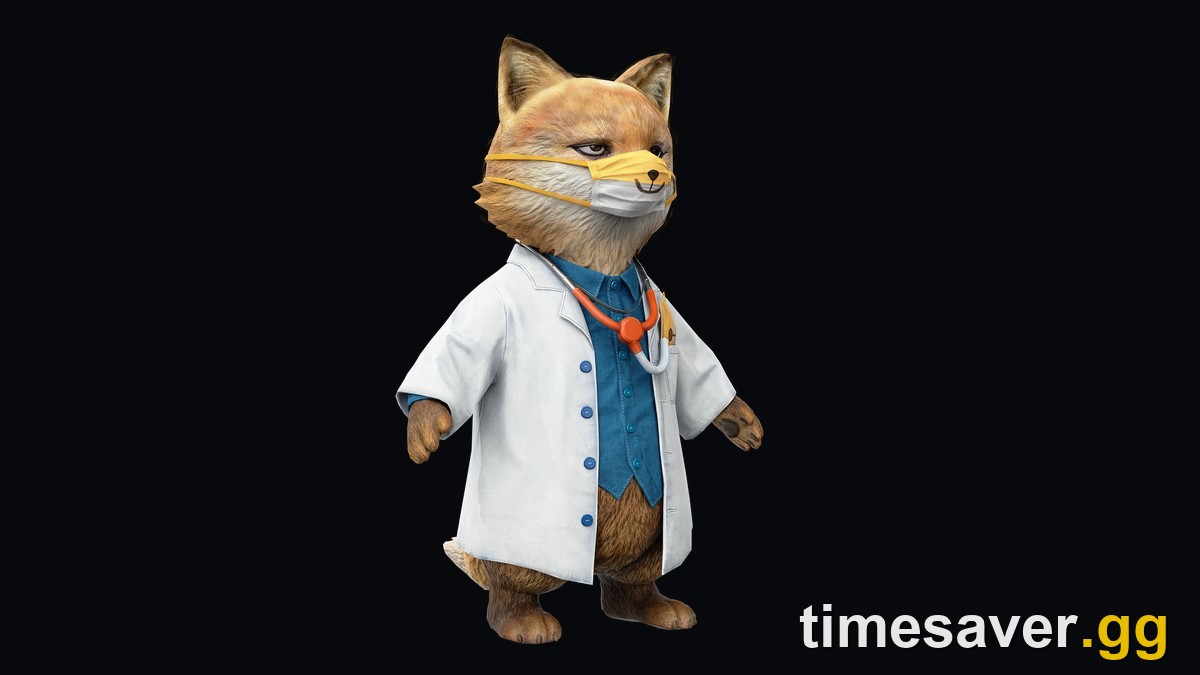
Territory Deviations do nothing when carried — their value is passive. Drop one into an Isolated Securement Unit at your base and it works on its own while you're out exploring:
- The Digby Boy — the single most valuable early Territory Deviation: it passively mines ore with zero input from you.
- Logging Beaver — does the same job for wood. It has a chance to spawn around the wooden docks south of Broken Delta (near the fishing events), and pairs with the Digby Boy so both core materials flow in automatically.
Setting up two or three Territory Deviations early is the difference between hand-gathering every rock and log yourself and coming home to a base that stocked itself.
Crafting Deviations — the material printers
Crafting Deviations convert inputs into useful outputs — ammo components, chemicals, energy and other materials — again while housed in a Securement Unit. They matter more in the mid-game once your base has power and you're feeding steady crafting queues. Early on, prioritise Territory (raw materials) and Combat (staying alive); layer Crafting Deviations in as your base grows.
The Cradle: the piece nobody explains
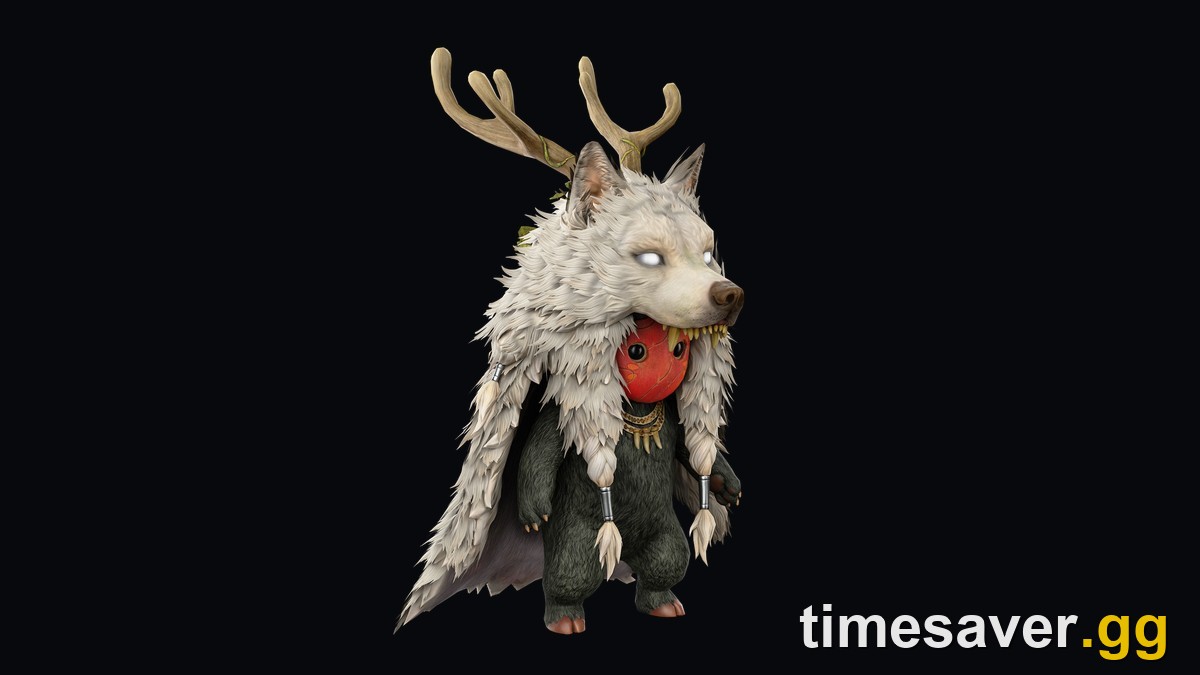
Here is the step that trips up new console players. Capturing a combat Deviation is not the same as being able to fight with it.
Every Deviation you catch is stored in a Securement Unit. Territory and Crafting Deviations start working the moment they're placed. Combat Deviations need one more action: interact with the Securement Unit holding it and press Sync to Cradle (also shown as "Synchronise"). Only after syncing does the Deviation load into your Cradle — the backpack-mounted anomaly interface — and become deployable in combat. If your combat Deviation "won't come out," this is almost always why: it was captured but never synced.
The Cradle itself is customisable. As you progress you unlock Cradle Nodes, and each node lets you slot in a Cradle Override — a modifier that reshapes how your combat Deviations behave so you can tune your setup to different fights. Alongside that, the richest place to actually find new Deviations is a Securement Silo — dungeon-like areas (Alpha, Theta, Psi and others) full of tough Rosetta units, where clearing the objective gives you a chance to secure the Deviation held inside. Running silos early is worth it: it's the fastest way to widen your roster beyond wild captures. You'll also see Morphic Crates appear as a yellow flicker on your Cradle backpack out in the world — shoot them down for rewards including Stellar Planula, an exchange currency.
What happens to your Deviations when a scenario ends
This is the question that panics every new player who just learned Once Human's seasonal servers reset. You do not lose your Deviations.
When a scenario ends, captured Deviations are moved into Eternaland — your persistent personal hub that survives every reset. Your character level goes back to 1, your Memetics reset and your in-world base is gone, but your Deviations sit safely in Eternaland. When you enter a new scenario you can bring them back, limited only by your Resource Points — the deliberate cap on how much you carry in from Eternaland so veterans and fresh players start close together. So capturing rare Deviations is never wasted effort: they're a permanent part of your account.
If you're on a permanent (no-wipe) server, there's no scenario reset to worry about at all — your setup stays put indefinitely as long as you log in at least once every 30 days.
Deviations are tradeable — and that makes rare ones valuable
Unlike most survival-game companions, Deviations can be traded between players. You can hand one directly to a friend standing next to you, or list it in a Vending Machine (buildable at level 10+) for other players to buy with Energy Links. The system for trading Deviations was expanded in the 2025 updates, and dedicated Harvesters' Market trading zones exist in Manibus, Evolution's Call and The Way of Winter.
Practically, that means a rare high-value Deviation is a genuine asset — you can farm duplicates and sell them, or buy the one you're missing rather than grinding its spawn. It's one of the few systems in the game with a real player economy behind it.
Rideable Deviations and where the system is going
Deviations aren't only pets and workers. The 3.0.1 update (July 9, 2026) added Behemoth, a rideable combat Deviation, expanding the system into mounts. And the September 16 Beastmaster rework layered a separate Beast Riding system on top for tamed animals — related, but distinct from the Deviation/Cradle loop covered here. If you're brand new, master the Cradle basics first; the mount content is built for players who already understand capture and syncing.
Best Deviations to prioritise as a new player (2026)
There's no single "best" list — it depends on whether you're building for survival, base efficiency or trading. But a reliable early-game shortlist looks like this:
- Survival first: a damage/aggro combat Deviation (e.g. Lonewolf's Whisper) plus a healer (Festering Gel or Butterfly's Emissary). Sync both to your Cradle.
- Base efficiency: The Digby Boy (ore) + Logging Beaver (wood) in Securement Units so raw materials pile up passively.
- Then expand: add Crafting Deviations as your base gains power, and clear Securement Silos to grow your Cradle.
Because Deviations transfer to Eternaland and are tradeable, anything you invest in now carries forward. Capture broadly early, specialise once you know your playstyle.
Do you need to buy anything?
No. Deviations are captured entirely through gameplay — there is no cash Deviation and no pay-to-win here. If you want more time in the game rather than grinding materials, that's what a solid Territory-Deviation setup is for: it automates the boring part so your playtime goes to exploration and combat. For more Once Human systems explained in 2026-accurate form, see our other console guides below.
More Once Human guides:
- Once Human: What Carries Over and What Resets When a Scenario Ends
- Once Human Starchrom & Energy Links Farming Guide (2026)
- Once Human Console Beginner Guide (PS5 & Xbox, 2026)
- Do Once Human Servers Wipe? Seasonal vs Permanent Servers Explained
FAQ
What is the difference between a Deviation and a Deviant in Once Human? They're the same thing. The official term used in patch notes and menus is Deviation; "Deviant" is a common community nickname. This guide uses Deviation to match the game.
Why won't my Deviation fight with me? It almost certainly hasn't been synced. Combat Deviations must be placed in an Isolated Securement Unit and then Sync to Cradle before they can deploy. Territory and Crafting Deviations, by contrast, work as soon as they're placed and are never meant to fight.
Do I lose my Deviations when the server resets? No. When a scenario ends, captured Deviations move into Eternaland and survive the reset. You bring them back into your next scenario up to your Resource Points limit. On a permanent no-wipe server there's no reset to worry about at all.
Can I trade Deviations with other players? Yes. You can trade a Deviation directly to a nearby player or list it in a Vending Machine (unlocked at level 10+) for Energy Links. Dedicated Harvesters' Market zones exist for trading in several scenarios. This is why rare Deviations hold real value.
How do I get a stronger Cradle and more Deviations? Unlock Cradle Nodes as you progress and slot a Cradle Override into each to reshape how your combat Deviations perform. To grow your actual roster, clear Securement Silos — the dungeon-style areas guarded by Rosetta units — where each run gives you a chance to secure the Deviation inside.
Is capturing Deviations different on PS5 and Xbox? The mechanic is identical — you hold the interact button shown in the capture prompt instead of pressing F. Everything else (types, syncing, Eternaland transfer, trading) is the same across PS5, PS5 Pro, Xbox Series X/S, PC and mobile, because it's one cross-play game on a shared account.
What are the best Deviations for a beginner? For survival, pair a damage/aggro combat Deviation like Lonewolf's Whisper with a healer such as Festering Gel. For base efficiency, run The Digby Boy (ore) and Logging Beaver (wood) in Securement Units. Add Crafting Deviations as your base develops.
_Deviation mechanics verified against the official Once Human sources and established game databases, September 2026. Live version 3.0.5; the September 16 Beast Riding update is a separate tamed-animal system. Deviation capture rates and spawn tables are not officially published — in-game capture chances are the only reliable figures._