Quick answer
Onimusha: Way of the Sword has three difficulty levels: Story, Action, and Carnage. You pick Story or Action at the start; Carnage only unlocks after you finish the game once and is played in New Game+. The catch that trips up most players is that there is no "difficulty" option in the pause or settings menu — to switch between Story and Action you have to visit a Spirit Mirror save point and choose "Change Difficulty Level." If you keep dying to the same fight, the game also drops a red "switch to Story" prompt onto the death screen after several consecutive deaths.
Below: exactly what each mode changes, how to change difficulty the two ways the game actually allows, which mode to pick for a first run, and how to unlock the one-hit-kill Carnage mode for the Platinum. (All facts verified against post-launch coverage as of September 10, 2026 — the game released September 4.)

The three difficulty levels explained
Producer Akihito Kadowaki laid out the difficulty structure ahead of launch, and the shipped game matches it: two modes to start, one to unlock. Here's the breakdown.
| Difficulty | Available when | Best for | Key traits |
|---|---|---|---|
| Story | From the start | Newcomers, players here for the samurai story | More forgiving parry/Issen windows, softer combat, Action Prompts on by default |
| Action | From the start | Anyone comfortable with action games (the intended experience) | Tighter windows, a "proper challenge," Action Prompts off by default |
| Carnage | After one full clear (New Game+) | Veterans and Platinum hunters | Near one-hit-kill lethality; once selected you can't switch off it |
Story is built around the narrative. Enemies hit softer, you hit harder, and the timing windows for parries and the signature Issen counter are wider, so mistimed inputs are punished less. It also turns on Action Prompts — on-screen pop-ups that tell you when and how to counter an incoming attack. As AltChar's guide puts it, Story is "built for players focused on the narrative, with action prompts switched on by default."
Action is the mode Capcom positions as the real, intended way to play. The in-game description (quoted by PC Gamer) reads: "A difficulty level for those who like challenging battles… Recommended for experienced action game players." Windows are tighter and the hand-holding prompts are off, but it is still not a Sekiro-tier wall — GamesRadar's review summed the game up as "It's no Sekiro," and PC Gamer ran a full "the full game's got teeth" piece specifically to reassure players worried the demo felt too easy.
Carnage is a different animal. It is the game's hard mode, and it is locked at launch — you have to beat the campaign first. In Carnage, "a single hit could mean death," Capcom's in-game text warns; it's described as "a high-stakes mode where carelessness can kill, but victory is all the sweeter." Crucially, once you commit to Carnage you cannot drop out of it. It exists for a reason (see the Platinum section below).
Which bosses are hardest on Carnage difficulty?
In Carnage, a single hit can kill you and bosses gain attack patterns not present on Story or Action. PowerPyx's Carnage boss guide rates all 13 unique bosses; here are the hardest and the fight mechanics that catch players off guard.
| Boss | Difficulty (Carnage) | What makes it hard |
|---|---|---|
| Minamoto no Yoshitsune (Final Boss) | 8.5 / 10 | Three-phase fight; Phase 3 takes zero damage unless you are in Oni Awakening — unwinnable if your gauge is empty and you have no Stimulant |
| Sasaki Ganryu (Altered) | 7 / 10 | Dual health bars, faster katana timing, can kill in two hits; second-hardest in the game by consensus |
| Ifuu and Burai (dual boss) | 6.5 / 10 | Two enemies simultaneously with overlapping mechanics |
| Shuten Doji | 5.5 / 10 | Health regeneration and fire attacks across two phases |
| Benkei (Fully Armed) | 5 / 10 | Cannon throw is a one-shot kill on Carnage |
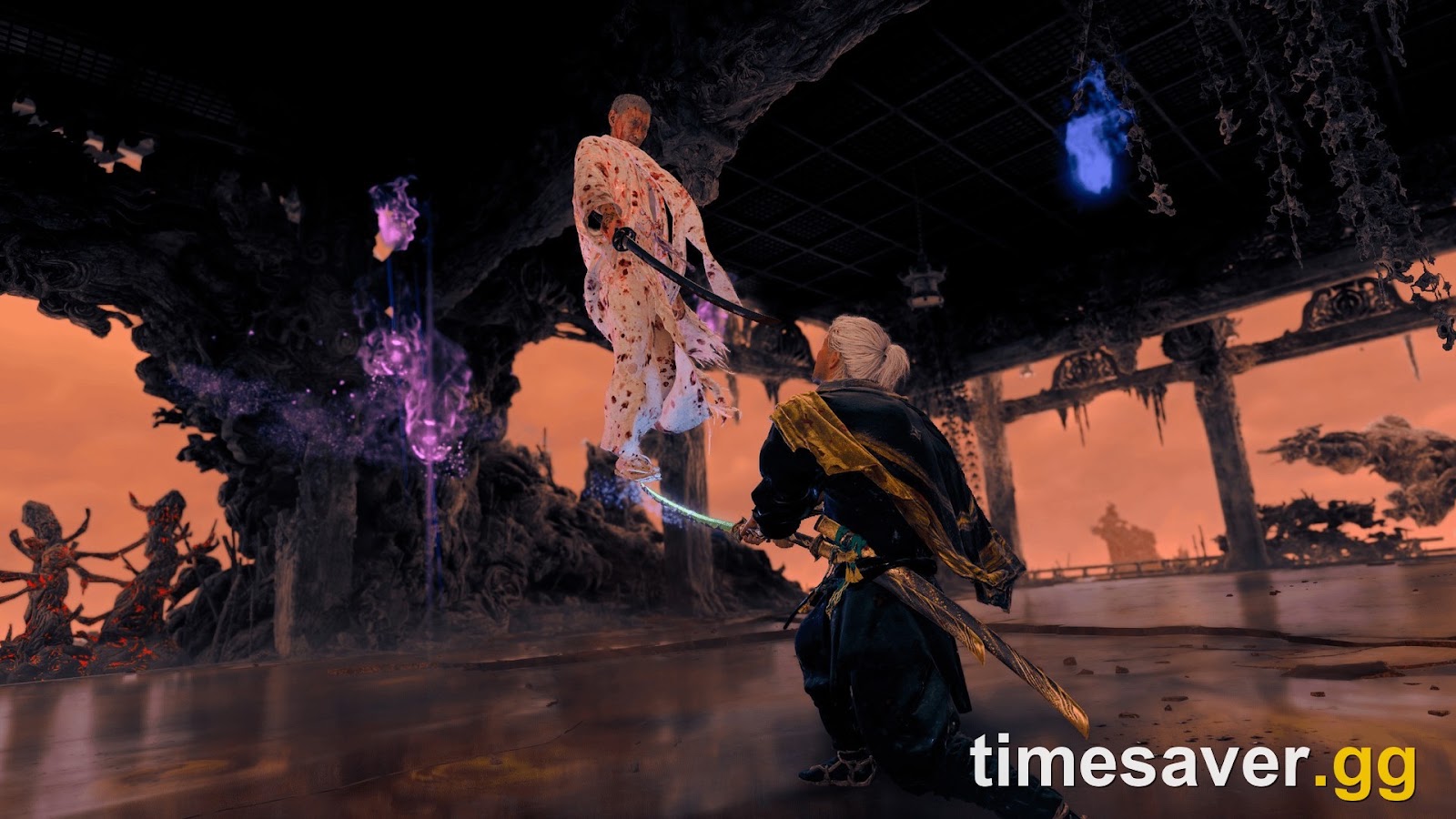
Yoshitsune's Phase 3 mechanic is the fight's critical gate. When he enters his final phase, he becomes completely immune to damage unless you are actively in Oni Awakening transformation. Arrive at Phase 3 with your Oni gauge full or a Stimulant in reserve. Deflects drain his Rikido (posture) bar roughly twice as fast as normal hits — play the posture game, not the damage race. Take purple souls on every posture break to refuel the gauge.
For Carnage generally: the Issen/parry timing window is considerably tighter than on Action. There are 13 unique bosses across 18 total encounters (including altered and rematch versions). See our complete all-bosses guide for fight-by-fight strategies on every difficulty. A careful, gauge-aware run through the easier bosses ensures you arrive at Yoshitsune with resources to spare.
Note on custom / granular difficulty: Alongside the presets, Capcom has talked about modular difficulty controls — the ability to tune individual elements rather than just flip a preset. Note that this was Capcom's original design, not a reaction to demo feedback: producer Akihito Kadowaki said plainly that "making adjustments to the difficulty or to the game based on feedback about the difficulty is not something we've done" (RPG Site interview). Capcom did not publish the full list of adjustable parameters, so any specific list of tunable settings you see in post-launch guides should be treated as community-reported, not an official Capcom menu spec, until Capcom documents it.
How to change difficulty in Onimusha: Way of the Sword
This is the #1 thing players get stuck on, because the difficulty setting is not in the options/settings menu. There are exactly two ways to change it in-game.
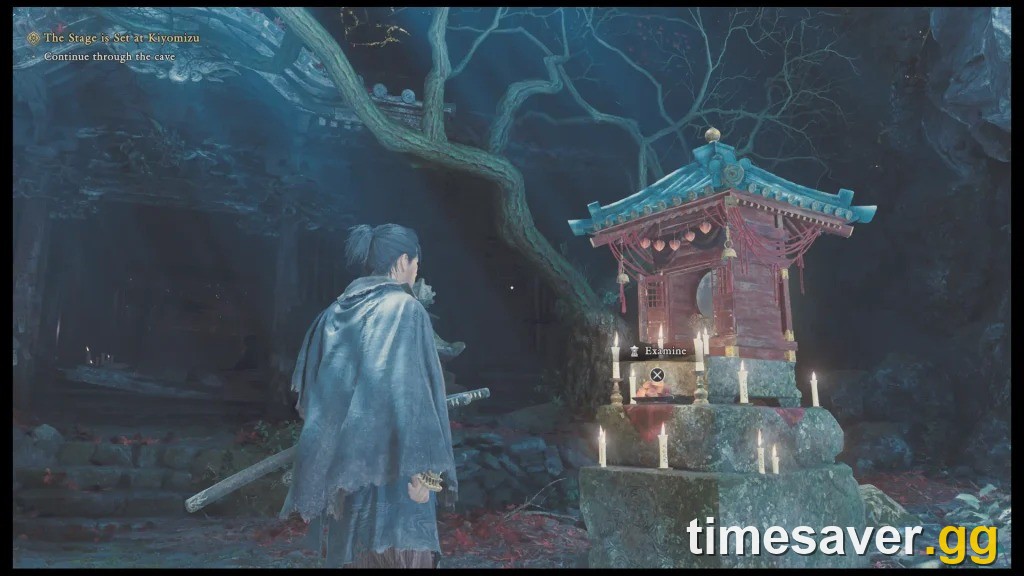
Method 1: Change it at a Spirit Mirror (any time)
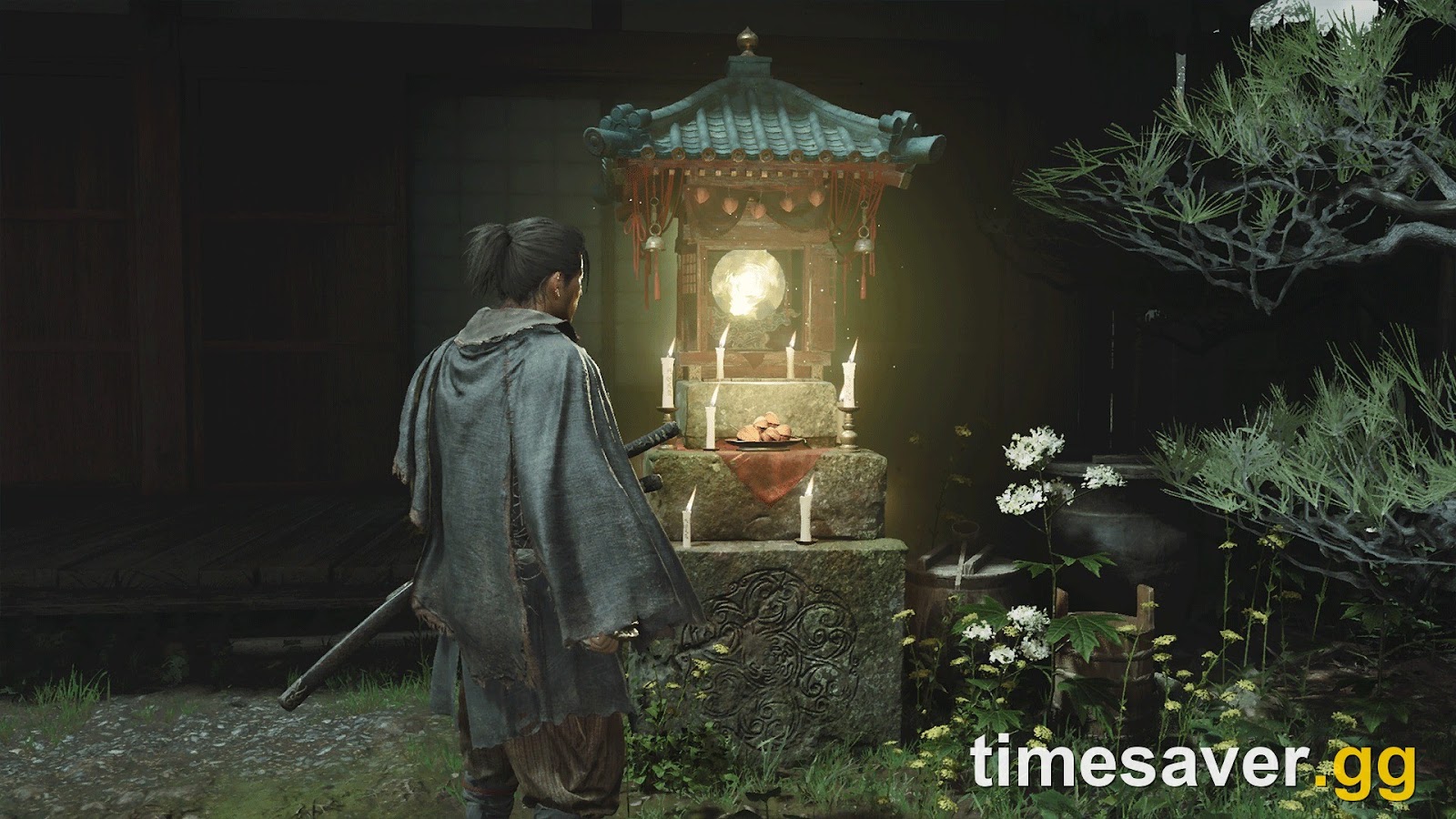
The Spirit Mirror is the game's save point — the shrine you interact with to save, fast travel, and manage your loadout. Its menu is the only place the difficulty toggle actually lives outside your very first choice:
- Travel to the nearest Spirit Mirror.
- Open its menu and select "Change Difficulty Level."
- Switch freely between Story and Action.
You can do this as many times as you want. As one launch-day guide notes, you can "go to a Spirit Mirror… and change the difficulty setting as many times as you want." So if Action gets rough during a boss run, drop to Story at the next shrine; if Story feels trivial, bump back to Action the same way. This is also how you switch back up to Action after using the death-screen prompt (below).
Method 2: The death-screen prompt (drops you to Story only)
If you're on Action and you keep dying to the same boss or encounter, the game eventually offers a bail-out. After a few consecutive deaths to the same fight, the death screen adds a red option at the bottom that instantly switches you to Story difficulty on the spot.
Two things to know about this safety net:
- It appears only after repeated deaths — you have to lose the same fight several times before it shows up, so don't restart a boss expecting the option immediately.
- It only goes down. Once it drops you to Story, you can't jump back to Action from the death screen or the options menu — you have to visit a Spirit Mirror and use "Change Difficulty Level" to raise it again.
What actually changes when you switch modes
Capcom hasn't published a line-by-line combat table, but between the in-game descriptions and hands-on coverage, here's what the presets meaningfully affect:
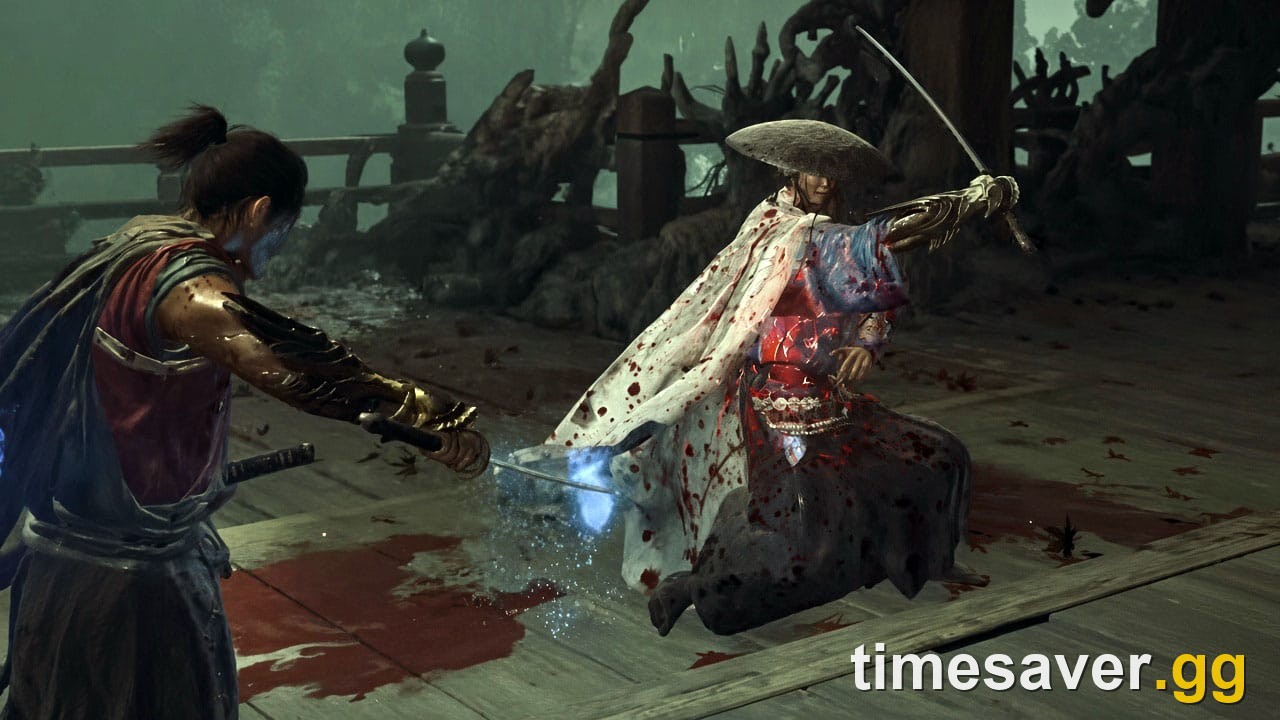
- Parry and Issen timing windows. This is the confirmed, single biggest difference. Story widens the window to land a parry and the signature Issen counter, so slightly-off timing still connects (PC Gamer specifically notes Story's "wider Issen window"). Action tightens it, which is where the combat's rhythm really opens up.
- Overall combat pressure. Story is the softer, more forgiving mode and Action is the intended-challenge baseline; Carnage cranks enemy lethality so far that a single hit can be fatal. Capcom hasn't published exact damage multipliers for the presets, so treat any specific "takes X% less damage" figures you see as community-reported rather than an official spec.
- Action Prompts. These are the on-screen button pop-ups that flag when and how to counter an incoming attack. They're on by default in Story, off by default in Action — and, importantly, Action Prompts are their own separate toggle, so you can play on Action and still turn the prompts on (or on Story with them off) if you want a custom middle ground.
None of these change the story, the bosses you fight, or the collectibles available — difficulty in Onimusha only scales the fight, not the content.
Which difficulty should you pick first?
Pick Action if you play action games at all. It's the mode Capcom designed the encounters around, it keeps the Action Prompts off so combat reads cleanly, and because you can drop to Story at any Spirit Mirror (or via the death-screen prompt) there's almost no downside to starting there. AltChar flatly calls Action "the recommended starting point for anyone comfortable with action games."
Pick Story if you're here for the world and the samurai fantasy, or if precise parry timing stresses you out. The wider windows plus Action Prompts make the parry-and-Issen loop far more approachable — Game Informer even argued Story mode "expertly teaches parrying to those who hate" it. You still get the full campaign; you're just trading challenge for flow.
One more reassurance for anyone spooked by the "is this a Soulslike?" chatter: it isn't. Director Satoru Nihei has said outright the game is not a Soulslike and not open-world — it's a character-action game that "expands on what the series is known for." The parry-heavy combat invites the comparison, but the difficulty is tuned to be thrilling, not punishing. For the fuller breakdown, see our guide on whether Onimusha: Way of the Sword is a Soulslike.
How to unlock Carnage difficulty
Carnage unlocks after you complete the game once, on either Story or Action. Once you've cleared the campaign:
- Start a New Game+ run (you can also start Carnage from a fresh save after unlocking it).
- Select Carnage at the difficulty prompt.
- Commit — remember, you can't switch off Carnage once it's selected.
New Game+ carries a meaningful amount across, but weapon investment resets — that is the detail most likely to catch returning players off guard. Here is the verified split from two independent post-launch guides (gameshorizon.com and gamerblurb.com):
| Carries over to Carnage NG+ | Resets / Lost |
|---|---|
| Oni Armaments (all) | Weapon and gear upgrades (swords return to base) |
| Awakened Oni abilities and purchased skills | Red Souls (currency) |
| All charms and their enhancements | Story and side-quest progression |
| Oni Bow | Spirit Mirror save-point locations |
| Unlocked outfits and cosmetics | Most upgrade materials and items |
| Rescued Lion Dogs, Genma Notes, collectibles | HP, damage stats return to defaults |
The key implication: your weapons carry over physically but stripped of every upgrade. You fight Yoshitsune on Carnage with base-level gear unless you farm upgrades again during the NG+ run. The Oni Bow and your abilities give you a real toolkit advantage over a first playthrough, but do not expect to coast on a fully-upgraded sword.
Practical advice: start your Carnage run on a separate save file. Your Action or Story clear saves remain intact, so you can exit and return to the main story if Carnage proves too punishing. The difficulty lock applies per-save, not per-account — starting a new NG+ on a different slot keeps your original run preserved.
Carnage and the Platinum trophy
If you're chasing the Platinum, Carnage isn't optional. The Gold trophy "True Onimusha" requires you to "Complete the game on difficulty level 'Carnage'" (per PowerPyx's trophy roadmap), and the Platinum is gated behind a Carnage clear plus the Boss Rematches. In other words: your first run is for the story and to unlock Carnage; your second, on Carnage in NG+, is the real test — and the trophy.
FAQ
How many difficulty levels does Onimusha: Way of the Sword have? Three: Story, Action, and Carnage. Story and Action are available from the start; Carnage unlocks after you beat the game once and is played in New Game+.
Where do I change the difficulty? It's not in the settings menu. Correct — it isn't in the options menu. Go to a Spirit Mirror save point and choose "Change Difficulty Level" to switch between Story and Action. That's the only menu that lets you change it freely.
Can I lower the difficulty during a hard boss fight? Yes. After several deaths to the same fight, a red prompt appears at the bottom of the death screen that instantly drops you to Story. It shows up only after you've lost the fight repeatedly, and it only goes down — to go back up to Action you must use a Spirit Mirror.
What's the difference between Story and Action mode? Story is the more forgiving mode: wider parry/Issen timing windows and Action Prompts (button-counter pop-ups) on by default, so it's softer overall. Action tightens the timing, turns the prompts off, and is the challenge Capcom recommends for experienced action players. The confirmed core difference is the width of the parry/Issen window; Capcom hasn't published exact damage numbers for each preset.
Is Carnage available from the start? No. Carnage is locked until you complete the campaign once on Story or Action, after which you can select it in New Game+. Once chosen, you cannot switch out of Carnage, and in Carnage a single hit can kill you.
Do I need Carnage for the Platinum trophy? Yes. The Gold trophy "True Onimusha" requires a full Carnage clear, and the Platinum is gated behind it plus the Boss Rematches.
The demo felt too easy — is the full game harder? Yes. Capcom addressed this directly: the developers said the demo felt easy because it was an early slice that pre-granted skills and left assist prompts on, not because the full game is soft — and they stressed they did not change the game's difficulty in response to that feedback. Post-launch coverage (including PC Gamer's death-count write-up) confirms Action has real teeth well beyond the tutorial-slice demo. If you cleared the demo comfortably, start on Action.
Can I turn off the button-counter prompts on an easier mode? Yes. Action Prompts are a separate toggle from the difficulty preset. They default on for Story and off for Action, but you can flip them independently — so you can keep Story's forgiving windows while turning the prompts off, or play Action with prompts on while you learn the parry timing.
Can I change difficulty on Nintendo Switch 2, PS5, and Xbox the same way? Yes. The Spirit Mirror method works identically on every platform — PS5, Xbox Series X|S, Nintendo Switch 2, and PC. The path is always: reach a Spirit Mirror → select "Change Difficulty Level." There is no platform-specific menu or button layout difference; it's a menu option inside the game, not a system-level setting. The death-screen prompt also appears the same way on all versions after several consecutive deaths to the same fight.
Does difficulty affect how long the game takes to beat? Difficulty only scales combat — wider timing windows on Story and Action Prompts on by default mean fewer deaths, which shortens the run for players who struggle with parry timing. For exact completion-time breakdowns by difficulty, see our Onimusha: Way of the Sword how-long-to-beat and chapter list guide. Carnage NG+ is played on a fresh save with known fight patterns, but weapon-upgrade farming adds time back — it varies widely.
Does difficulty affect trophies, drops, or the ending? It doesn't change the story or which collectibles and upgrade materials exist — difficulty only scales combat. The one trophy tie-in is Carnage: the Gold "True Onimusha" trophy (and by extension the Platinum) requires a full Carnage clear.
Is Onimusha: Way of the Sword a Soulslike? No. Director Satoru Nihei has stated it is not a Soulslike and not open-world — it's a character-action game. The parry-focused combat draws the comparison, but the difficulty is designed to be satisfying rather than brutally punishing.
What is the hardest boss in Onimusha: Way of the Sword on Carnage? Minamoto no Yoshitsune (the final boss) is rated 8.5/10 on Carnage by PowerPyx. His Phase 3 has a critical gate: he takes zero damage unless you are actively in Oni Awakening transformation — an empty gauge at that phase without a Stimulant item makes the fight unwinnable. Sasaki Ganryu (Altered) is the second-hardest at 7/10, can kill in two hits.
What carries over to New Game+ Carnage mode? Your Oni Armaments, purchased abilities, charms, Oni Bow, outfits, and collectibles all carry over. What resets: weapon and gear upgrades (swords return to base stats), Red Souls currency, and story progress. Your weapons survive the transition but their upgrade investment is wiped — plan your Carnage NG+ around earning upgrades again during the run.
| *Facts verified as of September 14, 2026 against post-launch coverage from PC Gamer, GamesRadar, AltChar, Game Informer, Automaton, Duck-IT, PowerPyx, and allthings.how. Onimusha: Way of the Sword released September 4, 2026 on PS5, Xbox Series X | S, Nintendo Switch 2, and PC.* |
|---|
More Onimusha guides: Combat explained — Issen, parries & soul absorption · Issen guide — timing, windows & mastery · All bosses guide & boss order · How long is Onimusha & full chapter list · Review round-up & Metacritic verdict · Is Onimusha a Soulslike? · Souls upgrades and progression guide · Switch 2 performance & frame rate · PC system requirements