Trading is the classic buy-low, sell-high money loop in Star Citizen Alpha 4.10.1 (live since September 16, 2026): no reputation grind, no combat skill, just a ship with a cargo hold and a route that pays. But 4.10 quietly raised the cost of doing business — fuel prices went up for both hydrogen and quantum — so the fat margins from older patches are thinner now, and prices shift every few minutes. This guide covers how commodity trading actually works in the current build, which commodities and routes are worth running, the best cargo ships at every budget, and the patch-specific traps that quietly eat your profit.
Quick answer: In Alpha 4.10.1, trading means buying a commodity where it's cheap and selling it where it's expensive across the Stanton and Pyro systems. Start with a mid-size hauler like the Freelancer MAX (120 SCU) or Constellation Taurus (174 SCU) running legal bulk goods (metals, medical supplies, agricultural commodities); scale to a C2 Hercules (696 SCU), Caterpillar (576 SCU), or Hull C (4,608 SCU) once you have capital. Always price your route on a live tool like UEXcorp or SC Trade Tools right before you buy — prices update roughly every 8–10 minutes — and budget for higher fuel costs. aUEC can be wiped at any patch with no reimbursement, so treat your balance as disposable.
Note: Star Citizen is still in Alpha — there is no released 1.0. Every number here is for the current Alpha 4.10.1 build and can change with the next patch. aUEC is test currency: it can be wiped at any time with no reimbursement (a full wipe last hit on Alpha 4.8.0, May 14, 2026), so treat your balance as disposable, not an investment.
What is trading in Star Citizen?
Trading is a career built entirely on price differences. You buy a commodity at one location where supply is high and the price is low, fly it to a location where demand is high and the price is higher, and pocket the spread minus your costs. Per the Star Citizen Wiki, commodity trading is a "moderate to severe risk, moderate reward" profession — the risk being that a single 30k crash, a pirate interdiction, or a bad price shift can wipe out a run's profit or an entire cargo hold.
The key thing that separates trading from contract hauling is that trading requires no reputation. You don't need to unlock a rank with Covalex or Ling Family Hauling. You just need capital to buy cargo and a ship to move it. That makes trading one of the most accessible loops for a new player — but also one of the easiest to lose money on, because you're risking your own aUEC on the cargo instead of moving someone else's for a fixed fee. If you're starting from zero, our guide on how to make aUEC fast covers the beginner loops that build the bankroll you'll need to buy cargo.
Prices are dynamic. According to the wiki, commodity prices fluctuate with supply and demand and refresh on a short cycle — roughly every 8–10 minutes at a given terminal. A route that paid well an hour ago can flatten out after enough players sell into the same market. This is why every serious trader checks a live price tool before committing, rather than memorizing a "best route."
How the trade loop works, step by step
The mechanical loop in Alpha 4.10.1 is short:
- Check live prices on a trade tool (see below) to find a profitable buy/sell pair for the cargo capacity you can afford.
- Buy the commodity at a Trade & Development Division (TDD) terminal or shop kiosk at the source location.
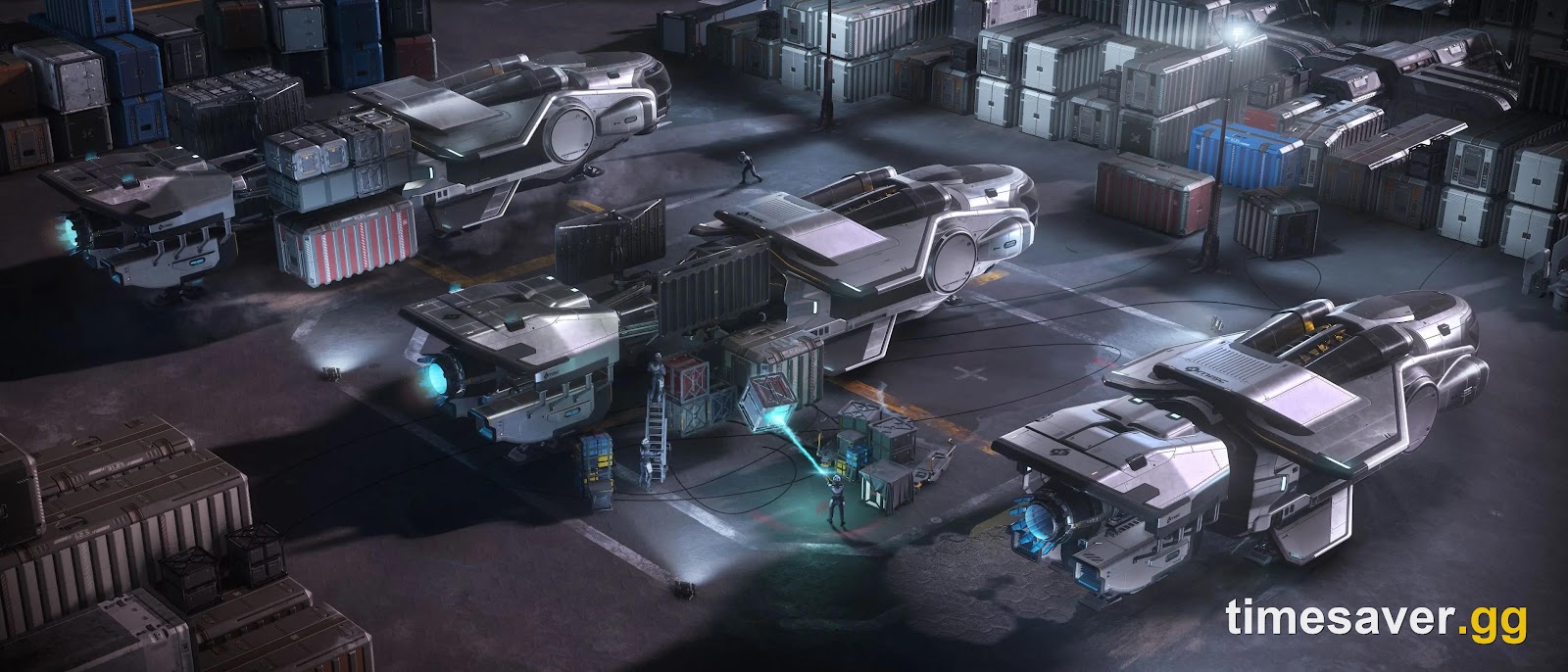
- Load the cargo — it's delivered to the freight elevator in your hangar, and you move containers onto your ship with a tractor beam or the ship's cargo grid.
- Fly the route to the destination market, avoiding pirates and monitored jump points if you're carrying anything illegal.
- Sell at the destination TDD (legal goods) or at an outlaw outpost like Grim HEX (contraband), and bank the spread.

SCU is the unit that matters: 1 SCU (Standard Cargo Unit) holds 100 units of a commodity. A ship's cargo rating — for example "174 SCU" — is how much you can move per run, and your profit scales almost linearly with it. Doubling your SCU roughly doubles your profit per trip (minus the extra fuel and the extra risk if you get interdicted with a fuller hold).
Best commodities to trade in Alpha 4.10.1
Here is the honest, non-vendor-blog version: the "best" commodity changes constantly, which is exactly why a static list goes stale within a patch. What stays true is the category logic.
- High-value minerals and gemstones — commodities like Laranite (a crystalline gemstone, not a base metal) are documented on the wiki as high-margin, but often low supply because players saturate the market. When you can find them in stock, the spread is large; the catch is availability. (Star Citizen Wiki)
- Medical supplies and agricultural commodities — lower per-SCU value but far more reliable stock, which makes them the workhorse of steady, low-drama trade runs. These are the safe legal choice for a first hauler.
- Contraband (illegal drugs like SLAM) — the highest margins in the game, but you can only sell them at outlaw outposts (e.g. Grim HEX), you risk getting scanned and fined at monitored areas, and getting caught means bounties and confiscation. Per the wiki, illegal cargo is moved and sold through pirate hubs, not the TDD. High risk, high reward — not a beginner loop.
Rule of thumb: if you're new, run high-supply legal goods and accept smaller-but-consistent profits. Chase Laranite and contraband only once you can afford to lose a hold. And whichever you pick, verify the current price and stock on a live tool before you buy — the named commodity that paid best last week is frequently sold out or flattened this week.
Live trade tools: your real "best route"
There is no single hard-coded best route in Star Citizen, because the prices move. The community-standard tools that pull live commodity data and calculate profitable routes for you are:
- UEXcorp — crowd-sourced commodity prices, terminal locations, and route profitability across Stanton and Pyro.
- SC Trade Tools — a route calculator where you input your ship's SCU and starting capital and it returns the most profitable buy/sell pairs currently available.
These tools are the actual answer to "what's the best trade route right now?" — they reflect the live market instead of a screenshot from three patches ago. The Star Citizen Wiki's own Trading page defers current commodity and route data to these community tools rather than publishing static prices, which tells you everything about how fast the numbers move.
Do not buy aUEC or a "trade account" from a third-party seller to skip this loop. RSI's Terms of Service explicitly prohibit "gathering in-game virtual, items or resources for sale outside the Game" and selling "Game credits" or your RSI account. Penalties are at RSI's discretion and can include account termination with no compensation. Earning aUEC in-game is the only safe path.
Best trading ships by budget in Alpha 4.10.1
Your ship is a cargo multiplier — the loop is identical, only your SCU (and your risk if you're interdicted) changes. Verified capacities from the Star Citizen Wiki:
| Tier | Ship | Cargo capacity | Best for |
|---|---|---|---|
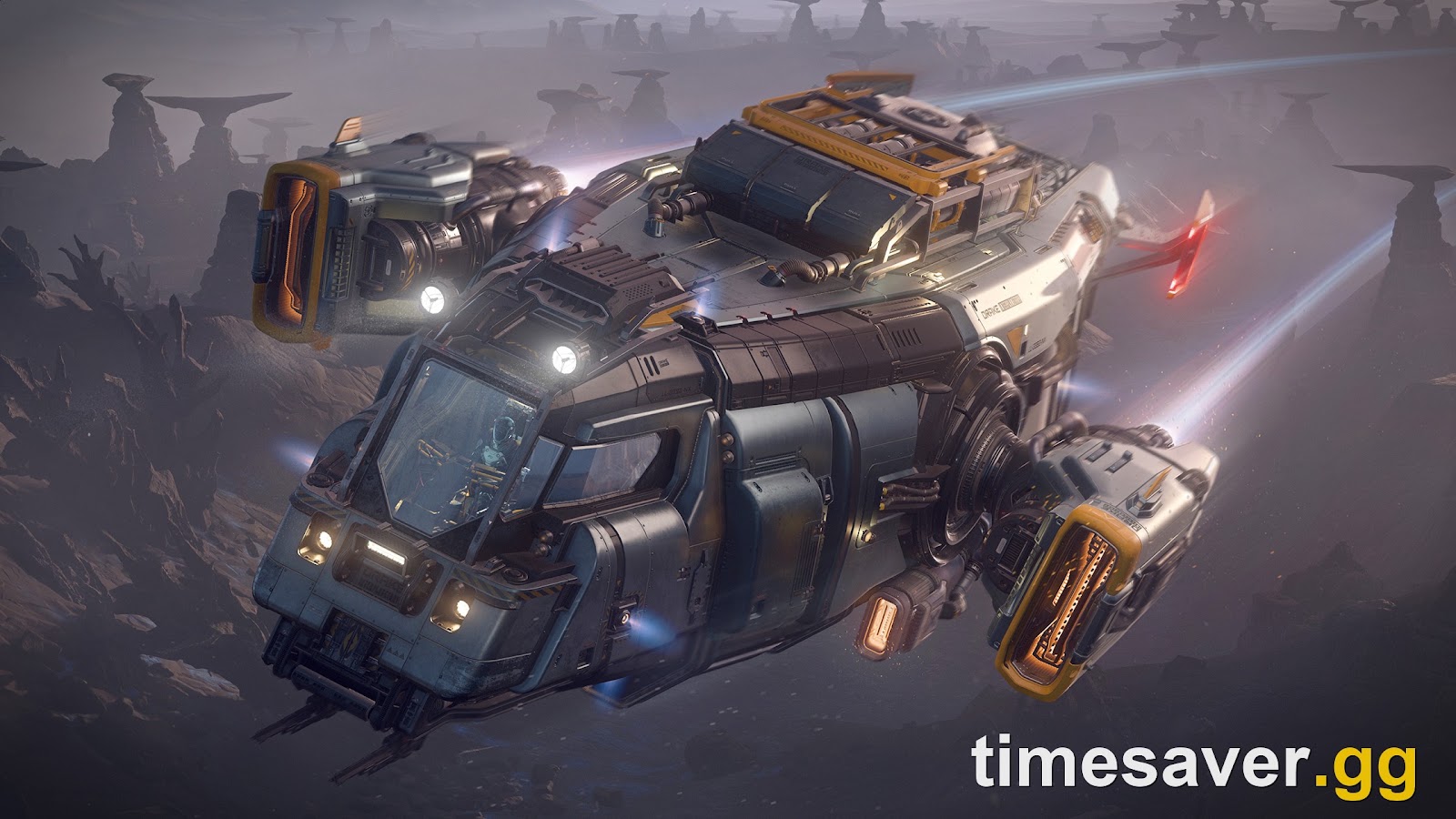
| Starter / mid | Freelancer MAX | 120 SCU | First dedicated trader; good SCU-per-cost |
| Mid | Constellation Taurus | 174 SCU | Cargo + defensive turrets for risky routes |
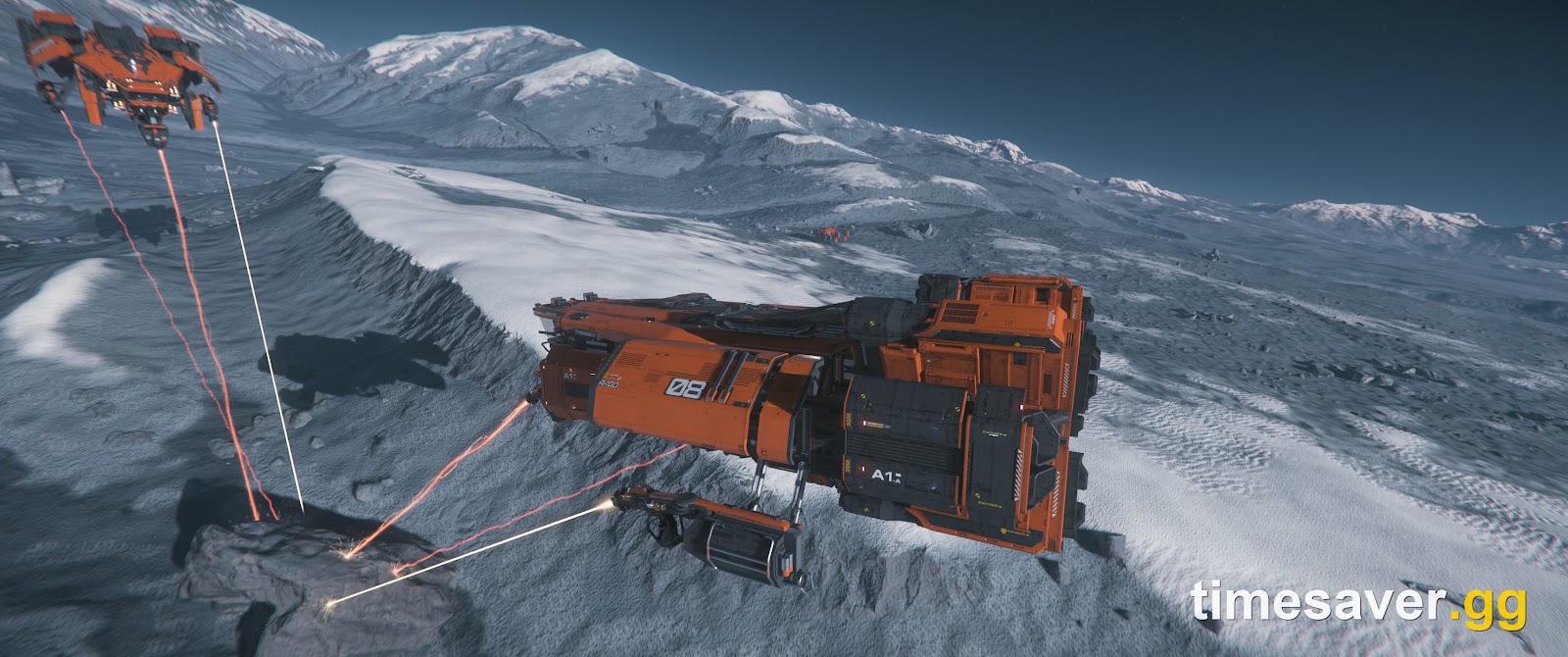
| Large | Caterpillar | 576 SCU | High volume, modular; slower and a big target |
| Large | C2 Hercules Starlifter | 696 SCU | Fast, tanky bulk hauler; efficient long runs |
| Bulk | Hull C | 4,608 SCU | Maximum-scale trading; needs escort and setup |

A few honest caveats. Bigger is not always better: a Hull C carrying 4,608 SCU of commodities is a massive capital risk — one lost run is a catastrophic loss, and it's slow to load and a prime pirate target. Most solo traders top out at a C2 Hercules or Caterpillar, and plenty do fine on a Freelancer MAX. Match the hold to how much aUEC you can afford to lose, not to how much you'd like to earn.
The 4.10 changes that affect your margins
Alpha 4.10 made trading a little less profitable per run than older patches, so ignore any guide that doesn't account for the current build:
- Fuel prices went up. Per the 4.10.0 patch notes, prices for both hydrogen and quantum fuel were increased. Longer routes now cost more to run, which directly cuts into your spread. Factor refuelling into whether a "profitable" route is actually profitable after costs.
- Hydrogen tanks shrank, consumption dropped. The same patch reduced fleet-wide hydrogen tank capacity but also reduced consumption, so effective flight time is roughly unchanged — you just refuel a little differently. It's the price increase, not the tank size, that matters for trading math.
- No full wipe in 4.10 or 4.10.1. Earned aUEC and in-game-acquired ships carried over. But this is temporary comfort: aUEC remains wipeable test currency, and a full wipe last happened on Alpha 4.8.0 (May 14, 2026). Never treat a trading balance as a durable asset.
There is also a live limited-time event worth knowing about if you're logging in this cycle: Orison Relief Support in 4.10.1 offers time-limited contracts (from Cornerstone Developments, Covalex, Ling Family Hauling, and Foxwell) that reward gear rather than commodity profit — it's a hauling/contract loop, not a trade-route play, but it runs until Alpha 4.10.2 arrives (full details in our Orison Relief Support guide).
Tips to actually turn a profit
- Price the route right before you buy, not before you log in. Prices shift on a short cycle; a UEXcorp check from an hour ago is already stale.
- Don't sell your entire hold into one terminal. Large sells crater the local price. Split across nearby markets or accept a slightly worse rate to avoid tanking your own margin.
- Start with legal, high-supply goods. Consistent small wins beat one huge Laranite run you can't actually stock.
- Fly like you'll be interdicted. Carrying a full hold makes you a target. For high-value cargo, run with an escort or take quieter routes, and never carry contraband through monitored space casually.
- Budget for fuel. With 4.10's higher fuel prices, subtract refuelling from your projected profit before deciding a route is worth it.
FAQ
What is the best trade route in Star Citizen right now? There is no single fixed best route — commodity prices are dynamic and refresh roughly every 8–10 minutes, so any hard-coded "best route" goes stale fast. The reliable answer is to use a live tool like UEXcorp or SC Trade Tools, enter your ship's SCU and capital, and run the most profitable buy/sell pair it returns for the current market in Alpha 4.10.1.
What's the best ship for trading in Alpha 4.10.1? For a first dedicated trader, the Freelancer MAX (120 SCU) or Constellation Taurus (174 SCU) offer strong cargo for their cost. Scale up to a C2 Hercules (696 SCU) or Caterpillar (576 SCU) as you build capital, and only run a Hull C (4,608 SCU) if you can absorb the risk of losing a full hold. Bigger holds mean bigger profit and bigger losses.
Is trading better than hauling contracts for making aUEC? They're different. Trading needs no reputation and lets you scale profit with cargo size immediately, but you risk your own aUEC on the cargo. Contract hauling pays a fixed fee with no capital risk but is gated behind a reputation grind. New players often mix both: trade to build a bankroll, haul contracts for steady reputation.
Can I buy aUEC to skip the grind? No — you should not. RSI's Terms of Service prohibit selling in-game currency, selling items, paid power-leveling, and selling or transferring accounts. Advertising or buying aUEC from a third-party seller is a listed violation, and penalties are at RSI's discretion, including account termination with no compensation. Earning aUEC in-game is the only safe route.
Will my trading profits get wiped? aUEC is test currency and can be wiped at any patch with no reimbursement — the last full wipe was Alpha 4.8.0 on May 14, 2026. Alpha 4.10 and 4.10.1 did not wipe balances, but that's never guaranteed for future patches. Spend and reinvest your aUEC rather than hoarding it.
Do I need a subscription to play and trade? No. Star Citizen has no subscription. You buy a one-time Game Package (the cheapest is around $45 for a starter like the Aurora MR or Mustang Alpha, with a small starting aUEC balance), and there's a 30-day refund window (our best starter ship guide breaks down which package to pick). During occasional Free Fly events you can try the game without buying — but there is no active Free Fly as of late September 2026; the next is expected around IAE in November.
The bottom line
Trading is the fastest loop to scale in Alpha 4.10.1 because profit rises with cargo size and there's no reputation wall — but it's also the loop where you can lose aUEC, and 4.10's higher fuel prices trimmed the old margins. Price every route on a live tool right before you buy, start with high-supply legal goods in a mid-size hauler, and never treat your balance as permanent. Do that and trading becomes the most reliable way to fund the ship you actually want to fly.
For more current-patch money loops and fixes, see our other Star Citizen guides.