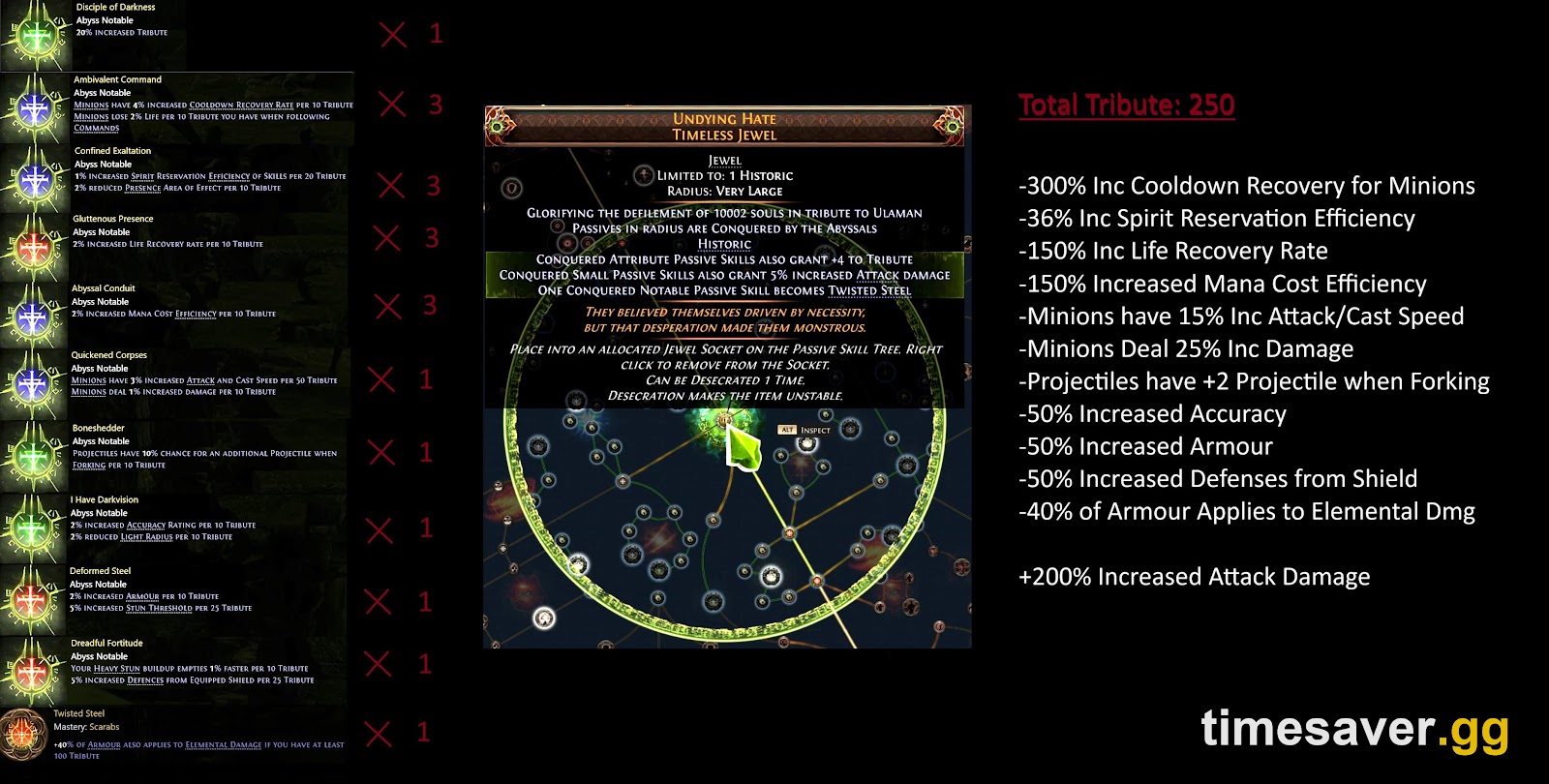
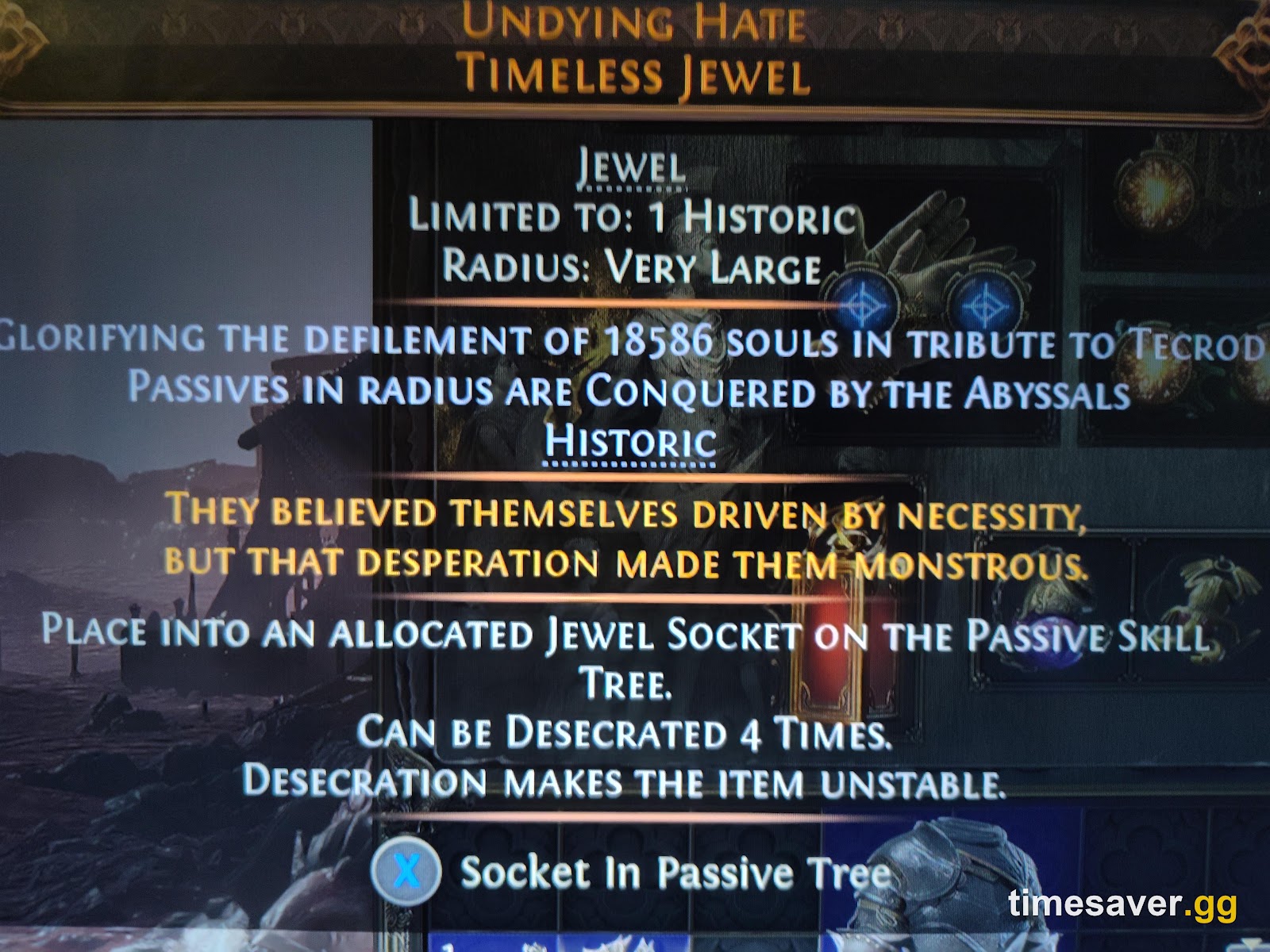
The Undying Hate Timeless Jewel is the item everyone in Path of Exile 2 is arguing about right now — half the subreddit calls it "the strongest, most impactful item in the game," the other half is staring at a tooltip about "glorifying the defilement of 15,979 souls" wondering what on earth it does. Both reactions are correct. Undying Hate can rewrite a huge chunk of your passive tree into busted Abyssal keystones, but it's also one of the most confusing and RNG-heavy items GGG has ever shipped. This guide breaks down exactly what it does, all five keystones, where it drops, how the seed number works, and whether it's worth your Divine Orbs — all verified against the official wiki and patch notes.

PoE2 - Divine & Exalted Orbs
Skip the grind — get Divine & Exalted Orbs
Quick answer: what is the Undying Hate Timeless Jewel?
TL;DR: Undying Hate is a Historic Timeless Jewel with a Very Large radius. Slot it into an allocated jewel socket and every passive in that radius is "Conquered by the Abyssals" — small passives and notables get transformed based on a seed number between 79 and 30,977, and the jewel's flavor names one of five Abyssal Liches (Amanamu, Ulaman, Kurgal, Tecrod, Kulemak). Each Lich replaces the keystones inside the radius with its own unique keystone. It drops from the Vessel of Kulemak encounter, is limited to 1, and can be Desecrated up to 4 times for 0–4 hidden custom modifiers — but desecration makes it Unstable, and the 4th desecrate destroys the jewel. A random base is cheap; a good seed for a specific build is a chase item.
Fast facts (current 0.5 endgame):
- Item type: Unique Timeless Jewel (Historic), Radius: Very Large, Limited to: 1.
- Seed range: 79–30,977 — the number that decides which passives and notables transform.
- Liches: 5 total, one per jewel — each maps to a different keystone.
- Desecration: 0–4 hidden Desecrated Modifiers; destroyed on the 4th desecrate.
- Source: drops from the Vessel of Kulemak encounter (endgame, item level 84).
How does Undying Hate actually work?
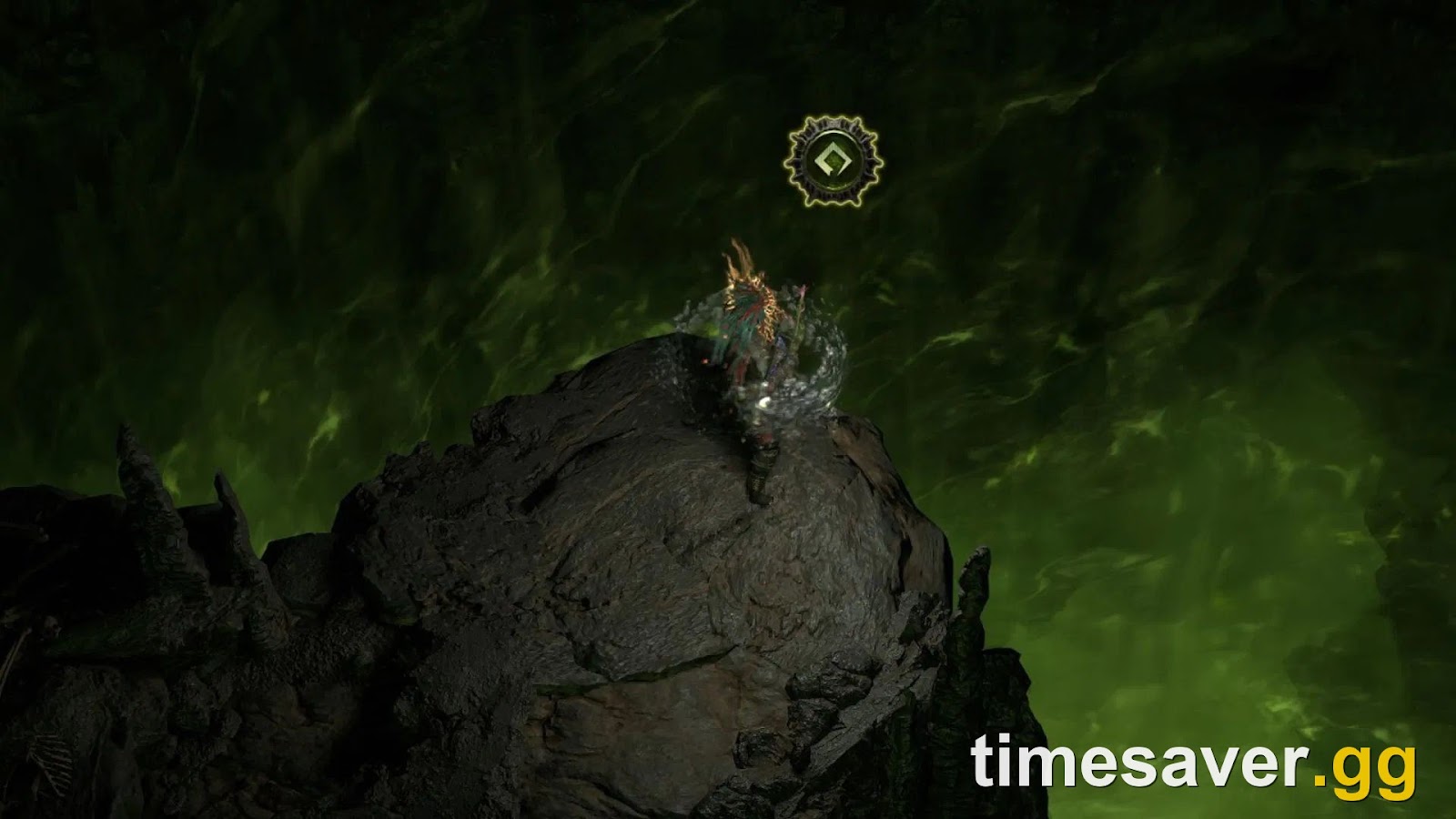
A Timeless Jewel doesn't add stats the normal way. When you socket Undying Hate, it looks at the very large radius of the passive tree around that socket and "Conquers" everything inside it. Three things happen at once:
- Small passives and notables get rerolled into Abyssal versions. Exactly which ones you get is determined by the jewel's seed number (the "79–30,977 souls" value baked into the item). Every seed produces a different layout of transformed passives, which is why two Undying Hates that look identical in name can be worlds apart in value.
- Any keystone inside the radius is replaced by the Lich's signature keystone. This is the real prize — it lets you graft a powerful keystone onto a part of the tree that never had one.
- The jewel can later be Desecrated to add up to four extra hidden modifiers, at the cost of stability. (The item's own tooltip spells this out: "Passives in radius are Conquered by the Abyssals... Can be Desecrated 4 Times. Desecration makes the item unstable.")
Because the game hides the mod weights and there is no PoE2 timeless jewel calculator yet (the PoE1 tool that made this trivial hasn't been rebuilt for PoE2), most players treat the Lich name and its keystone as the only thing that matters, and only chase specific seeds when they're building around a mirror-tier setup. As one player in the r/pathofexile2builds discussion put it: the number only matters "unless you've put a mirror into your build" — otherwise, buy the Lich whose keystone you want and move on.
All 5 Undying Hate keystones (Abyssal Liches)
Each copy of Undying Hate is tied to exactly one Lich, and each Lich swaps keystones in the radius for its own. Here's what all five do, verified against the official PoE2 wiki keystone pages:
| Lich | Keystone | Effect |
|---|---|---|
| Tecrod | Sacrifice of Blood | Regenerate 1 Life per second per 16 Life spent in the past 4 seconds; 50% more Life Cost of Skills |
| Amanamu | Sacrifice of Flesh | When taking damage from Hits, 20% of Life Loss is prevented, then 150% of the prevented Life Loss is Lost over 4 seconds |
| Kulemak | Sacrifice of Loyalty | You deal 1% more Damage per 2 total Power of your Undead Minions; Undead Minions have 25% less maximum Life |
| Kurgal | Sacrifice of Mind | Mana Recovery from Regeneration Overflows into maximum Mana; 50% less Mana Regeneration Rate |
| Ulaman | Sacrifice of Sight | Projectiles randomly do one of: Fork an additional time / Chain an additional time / Chain from Terrain an additional time / Cannot collide with targets |
A few practical notes on picking a Lich:
- Tecrod (Sacrifice of Blood) is the crowd favorite and the one that spawned the "breaks the game" posts — huge Life regeneration scaled off your recent Life spending, which pairs absurdly well with life-cost and blood-magic style builds.
- Amanamu (Sacrifice of Flesh) is a defensive layer: it converts part of every big hit into a delayed damage-over-time you can then out-regen or mitigate.
- Kulemak (Sacrifice of Loyalty) is a minion-scaling keystone — great for Undead-heavy summoner builds that can stack Power.
- Kurgal (Sacrifice of Mind) turns overflow mana regen into an effective larger mana pool, useful for high-cost casters willing to eat a regen penalty.
- Ulaman (Sacrifice of Sight) is the wild card — randomized projectile behavior every cast, which some bow and spell-projectile builds love and others find too inconsistent.
Note on patch changes: GGG has already re-tuned these keystones. Per the official patch notes, "The Sacrifice of Blood Keystone granted by the Undying Hate Unique now grants Regenerate 1 Life per second per 16 Life spent in the past 4 seconds (previously 1 Life per second per 8 Life spent in the past 8 seconds)." Always check the latest patch notes before you commit divines to a specific Lich, because these are exactly the kind of powerful keystones GGG watches closely.
Where do you get Undying Hate?
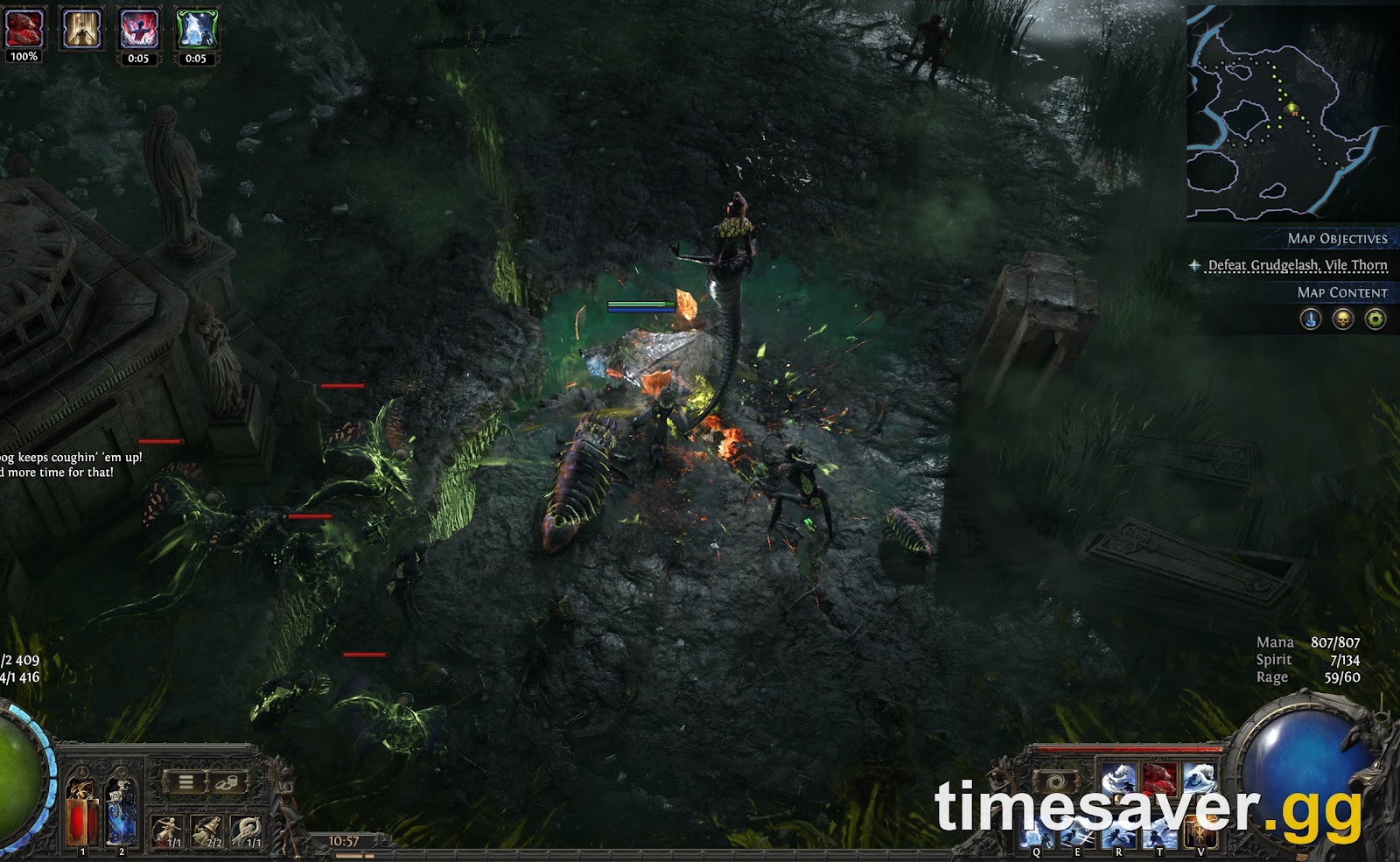
Undying Hate drops from the Vessel of Kulemak encounter — the Abyssal boss content in the current endgame — at item level 84. It is not a guaranteed drop, so you'll either farm the encounter repeatedly or, far more commonly, buy the exact Lich you want on the trade market.
Because it's an endgame drop gated behind a specific encounter, two acquisition paths make sense:
- Farm it yourself. Run the Vessel of Kulemak encounter on juiced maps. You're relying on the drop and on rolling a usable Lich/seed, so this is a volume grind. If you also want to farm the underlying Abyssal bosses whose names appear on the jewel, our Amanamu farming guide and Ulaman guide cover those fights.
- Buy the Lich you need. Since the Lich (and therefore the keystone) is the main value driver, most players simply search the trade site for the specific Lich name and grab a cheap base, then optionally desecrate it themselves. This skips all the RNG on which Lich you get.
PoE2 - Items
Skip the grind — get Items
How does the seed number and desecration work?
Two RNG systems stack on Undying Hate, and understanding them saves you a lot of wasted currency.
The seed (79–30,977). This number decides how the small passives and notables in the radius transform. For most builds it barely matters — you care about the keystone, and the transformed smalls are a bonus. It only becomes worth chasing when you're optimizing a top-tier build and want specific notable conversions inside the radius. Until a PoE2 timeless jewel calculator exists, cross-referencing seeds is manual and slow, so treat a "god seed" as a luxury, not a requirement.
Desecration (the gamble). The jewel has a hidden slot that can hold 0 to 4 custom Desecrated Modifiers, added by desecrating the item. This is where it gets dangerous: desecration makes the item Unstable, and the 4th desecrate destroys the jewel entirely. So you're gambling up to three "safe" desecrates to try to hit good extra mods, with a hard cliff on the fourth. Never desecrate a jewel you can't afford to brick, and never do it to a rolled base you'd be sad to lose.
Both systems are why prices swing so hard: an unrolled, random-Lich Undying Hate is often just a few Divine Orbs, while a specific Lich with a strong seed and clean desecrated mods can climb into serious chase-item territory.
How much does Undying Hate cost?
Pricing is entirely seed- and Lich-dependent, so there is no single number — anyone quoting you one flat price is guessing. As a framework for the current league:
- Random / unrolled base: cheap — often a few Divine Orbs, since you're rolling the dice on which Lich you get.
- Specific popular Lich (e.g. Tecrod / Sacrifice of Blood): meaningfully more, because demand concentrates on the strongest keystones.
- Good seed + clean desecrated mods: chase-item pricing that scales with how meta the build is.
The keystone you want and your total budget in Divine Orbs decide everything. Always price-check live on the official trade site or a tracker like poe.ninja before you buy or sell — jewel prices move fast, especially right after a balance patch touches one of the keystones. If you're short on currency to grab the Lich you want or to fund desecration gambles, you can buy PoE2 Divine Orbs or a full currency package and skip the grind.
Is Undying Hate worth it?
For most players pushing endgame: yes, if you buy the right Lich instead of gambling. The value proposition is unusually clean once you cut through the tooltip — you're paying to bolt a strong keystone onto a section of the tree that couldn't otherwise have one, plus a free radius of transformed passives on top. That's build-defining in a way few items are.
Where people lose currency is treating it like a slot machine: buying random bases hoping for a god seed, or desecrating into the 4th-slot brick. Decide the keystone you want, buy that Lich, and only desecrate with money you're willing to lose. If your build is keystone-agnostic or you're still leveling, skip it for now and revisit at maps — check our what to do after Arbiter and currency farming strategies guides to build the budget first.
Skip the grind: Whether you want to farm the Vessel of Kulemak yourself or buy the exact Lich for your build, it comes down to currency and time.
>
- PoE2 Divine Orbs — instant delivery, best rate, for buying the Lich you want and funding desecration.
- PoE2 Currency (all orbs) — divine · chaos · exalted and more, fast & secure.
- PoE2 Boss Carries & Endgame Services — skip the Vessel of Kulemak grind with pro players.
FAQ
What does the Undying Hate Timeless Jewel do in PoE2? It Conquers every passive in a very large radius around its socket. Small passives and notables are transformed based on a seed number (79–30,977), and any keystone in the radius is replaced by the signature keystone of one of five Abyssal Liches. It can also gain 0–4 hidden Desecrated Modifiers.
Where does Undying Hate drop? It drops from the Vessel of Kulemak encounter in the current endgame, at item level 84. It's not a guaranteed drop, so most players buy the specific Lich they want on the trade market rather than farming it.
What are the five Undying Hate keystones? Tecrod (Sacrifice of Blood), Amanamu (Sacrifice of Flesh), Kulemak (Sacrifice of Loyalty), Kurgal (Sacrifice of Mind), and Ulaman (Sacrifice of Sight). Each jewel is tied to exactly one Lich, so the Lich name tells you which keystone you get.
Does the seed number matter? For most builds, not much — the Lich and its keystone are what you're really buying. The seed only matters when you're optimizing a top-tier build and want specific notable conversions in the radius. There's no PoE2 timeless jewel calculator yet, so chasing an exact seed is manual and slow.
Is it safe to desecrate Undying Hate? Only within limits. Each desecrate makes the item Unstable and can add a custom modifier, but the 4th desecrate destroys the jewel completely. Never desecrate a copy you can't afford to lose, and stop before the fourth unless you're deliberately gambling.
How much does Undying Hate cost? It varies wildly by Lich and seed. A random unrolled base is often just a few Divine Orbs, while a specific strong Lich with a good seed and clean desecrated mods is a chase item. Always price-check live before buying or selling.